

TAT readers,
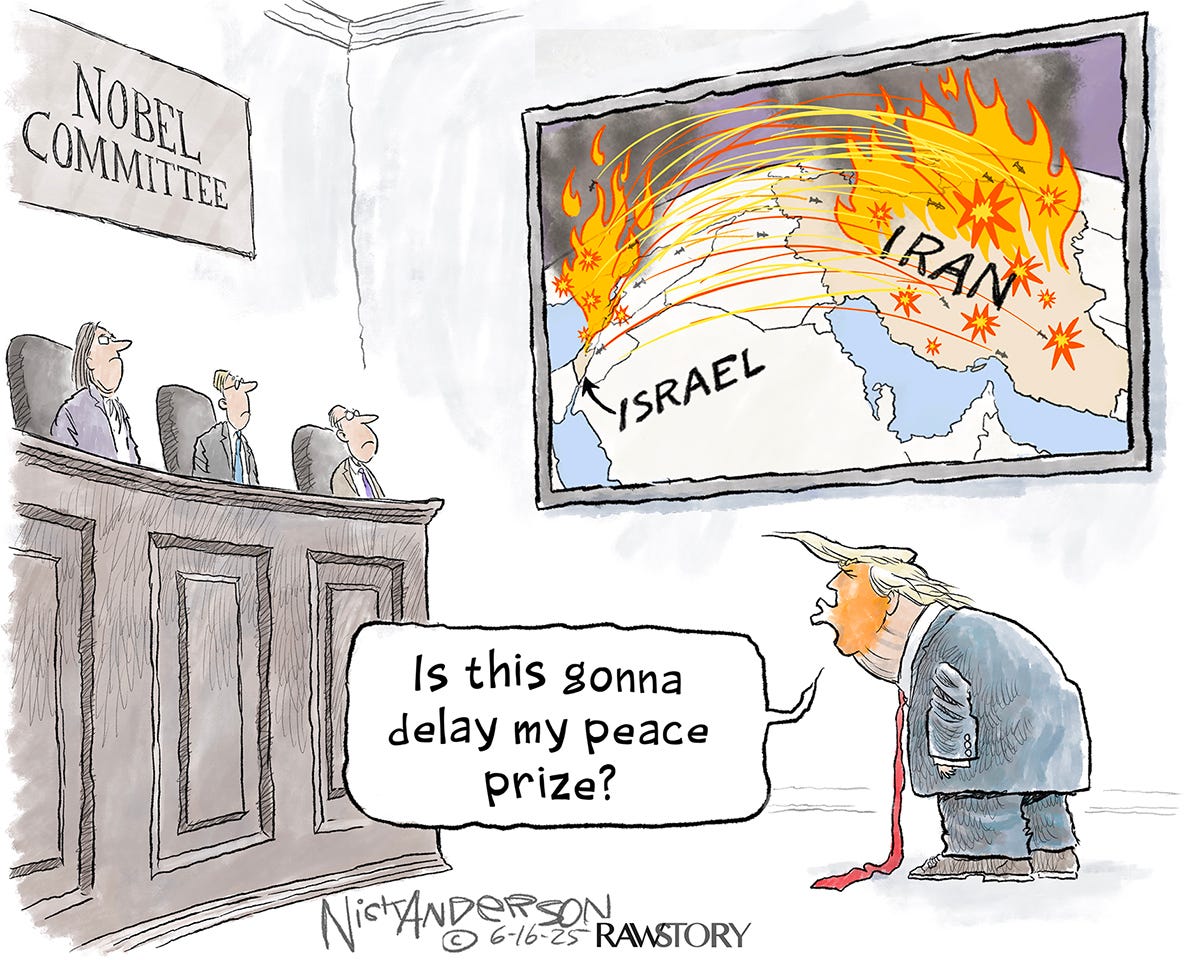
Today I put my national security hat back on in order to lay out my thoughts for you. Not only is my experience in the counterterrorism world instructive, but I have have had a deep personal and professional relationship with the region for nearly 50 years. Like most Americans, I am closely following the developments as we prepare for war. Spoiler alert; I currently rate the probability of war, at a roughly 75-80% chance and I’m not at all pleased with the odds. The preparations for and a long list of other indicators say so. This is something that American citizens need to understand better than what we see in our daily news feeds.
It’s our troops, our national resources and advanced terrorist risks to our nation that will be the American cost. The instability that typically ensues post actual combat operations and after our failures in Iraq, Afghanistan and other lesser conflicts, to “secure the peace,” point to chaos, another geo-political realignment, and one not likely to be in the favor of the US or our former allies at NATO. To explain the issue fully would require far more than an essay, so today I will only touch on the key points.
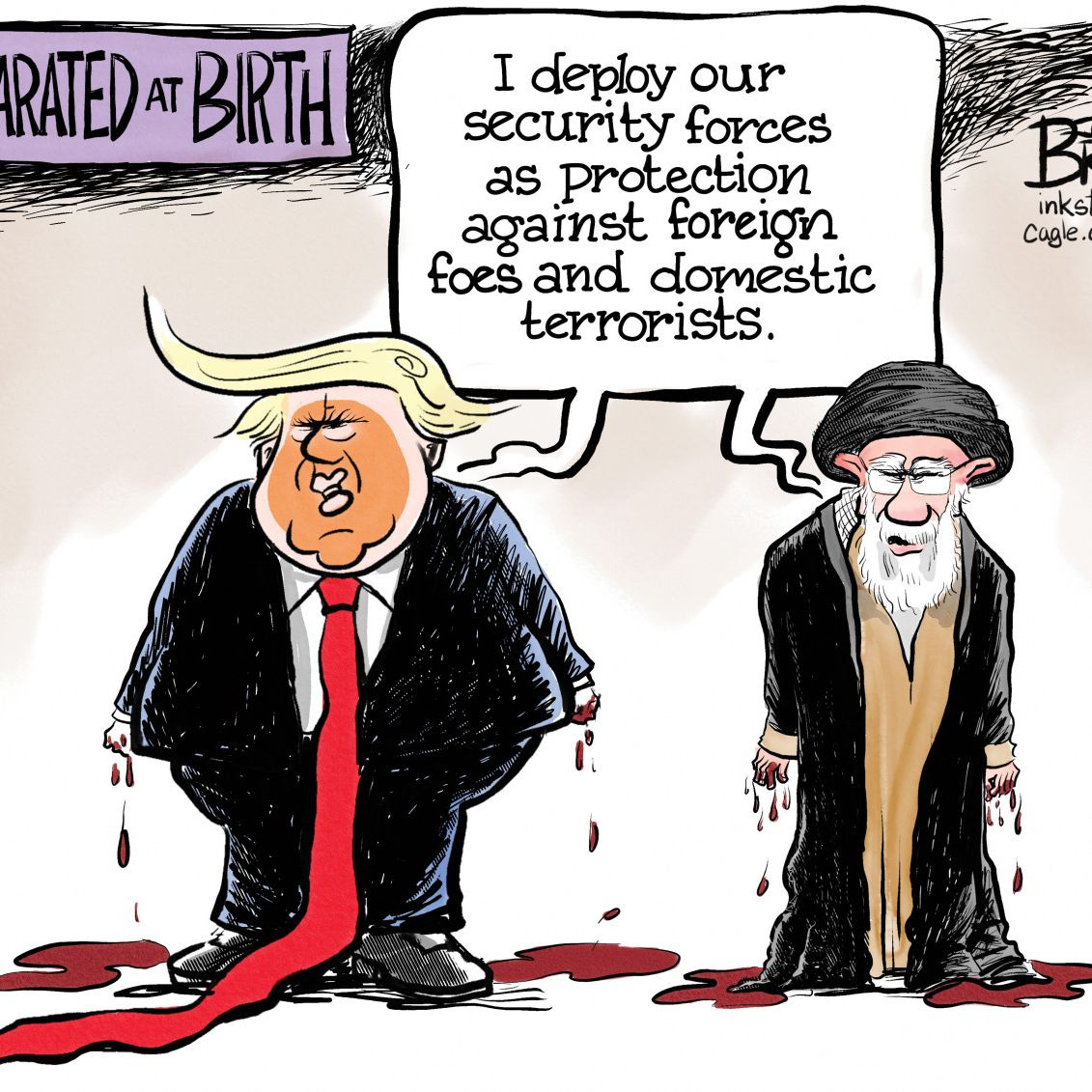
First up, a bit of background. The genesis of this coming conflict is decades old, dating at least as far back as the Hostage Crisis during the 1979 Islamic Revolution in Iran. That revolution then spread all across the Middle East and North Africa and ended up drawing multiple regional states into an era of Islamic violent extremism, that endures in many somewhat lesser forms around the globe, even until today. Iran soon became close to Russia and became a global terrorist threat in the years to come. From the very beginning of the Islamic Republic in 1979, Iran has exported terrorism.
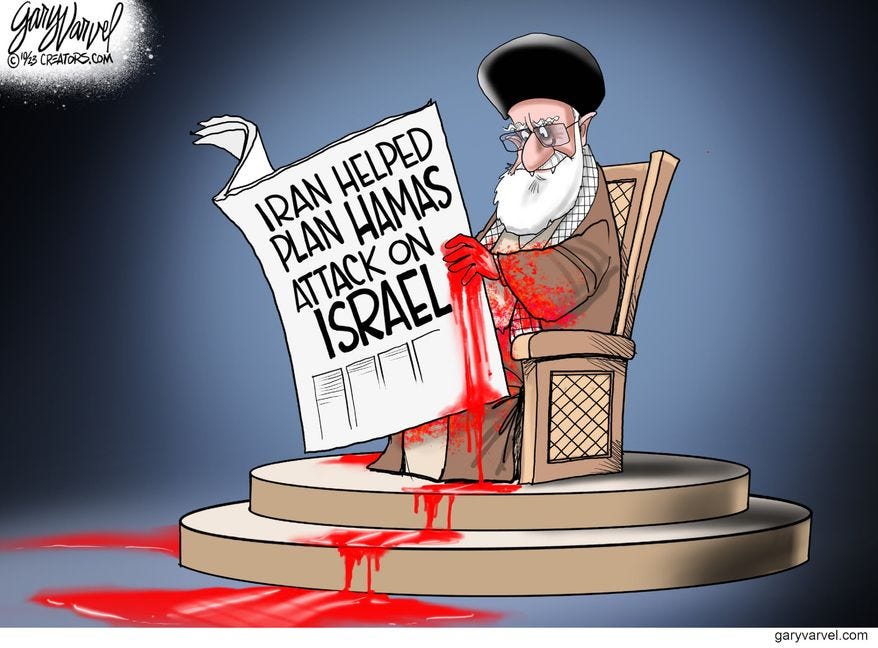
With a poor conventional army, Iran has depended a great deal on terrorism to pursue her strategic interests. In the quote below from the Council on Foreign Relations, we can see how Iran employs her terrorist forces, most often carried out by the Quds Force, a subset of the IRGC, Iranian Revolutionary Guard Corps, responsible for operations outside Iran. They leave behind a long trail of terrorist acts across the globe, including he bombing of the Marine barracks in Beirut, Lebanon in 1983, that killed 241 US military personnel. A year later, the US designated Iran, a State Sponsor of Terrorism. In the years since and with Russian assistance, their threat has matured significantly. Iran was responsible for training and equipping the Hamas organization that carried out the October 7th, 2003 massacre against Israel. They deserve the bad rap that they now are known for around the world.
"The IRGC began sponsoring nonstate armed groups in the region in the 1980s, first deploying in the Iran-Iraq War. The Quds Force emerged as the IRGC’s de facto external affairs branch, and it has developed ties with armed groups from Afghanistan, Iraq, Lebanon, the Palestinian territories, Yemen, and elsewhere, providing them with training, weapons, money, and military advice to project Iran’s power abroad. Some of these groups frequently operate independently of Iran and each other, but Tehran views them as part of an anti-West “axis of resistance” under its sway. Experts say Iran has attempted to strengthen cooperation within this alliance in recent years."

- The Islamic Revolutionary Guard Corps (IRGC)
- Council on Foreign Relations
- CFR Editors
- September 28th, 2007
To bring us up to where we are today, we must also discuss their pursuit of nuclear weapons, which is now the stated cause of the US to be preparing an attack. This is a fault of Trump’s own doing, after removing the US from the JCPOA, The Joint Comprehensive Plan of Action, known as the Iran nuclear deal in 2018, during his first administration.
To make matters worse, December of 2025 through the next month, another violent uprising took place in Iran, where Iranian forces murdered roughly 30,000 protestors in the streets, angry over another steep downturn of the Iranian economy. Trump then threatened the regime with violence if they did not stop the violence against the Iranian people.
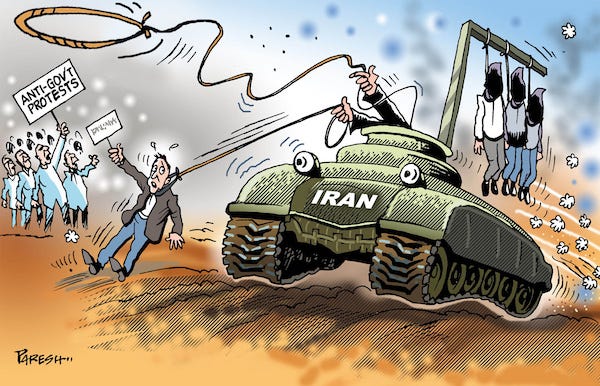
"The scale of violence deployed by Iran’s security forces against protesters has been staggering, even by the standards of the Islamic Republic. Thousands have been killed since demonstrations began, with many more detained or tortured.

Yet across much of the Middle East, Muslim-majority governments have remained conspicuously quiet. Expressions of concern, if they exist at all, are carefully calibrated and devoid of moral condemnation. Instead, regional powers appear focused on preserving the status quo—passing messages to the Trump administration in hopes of deterring another costly U.S. intervention or regime-change operation. This impulse has brought together unlikely actors: Iran’s former adversaries, such as Saudi Arabia and the United Arab Emirates, alongside onetime champions of the Arab uprisings like Turkey and Qatar, all quietly backchanneling for an off-ramp."

- Is Iran on the brink of change?
- Brookings Institute
- Aslı Aydıntaşbaş, Jeffrey Feltman, Sharan Grewal, Steven Heydemann, Mara  Karlin, Michael E. O’Hanlon, and Shibley Telhami
- January 15th, 2026
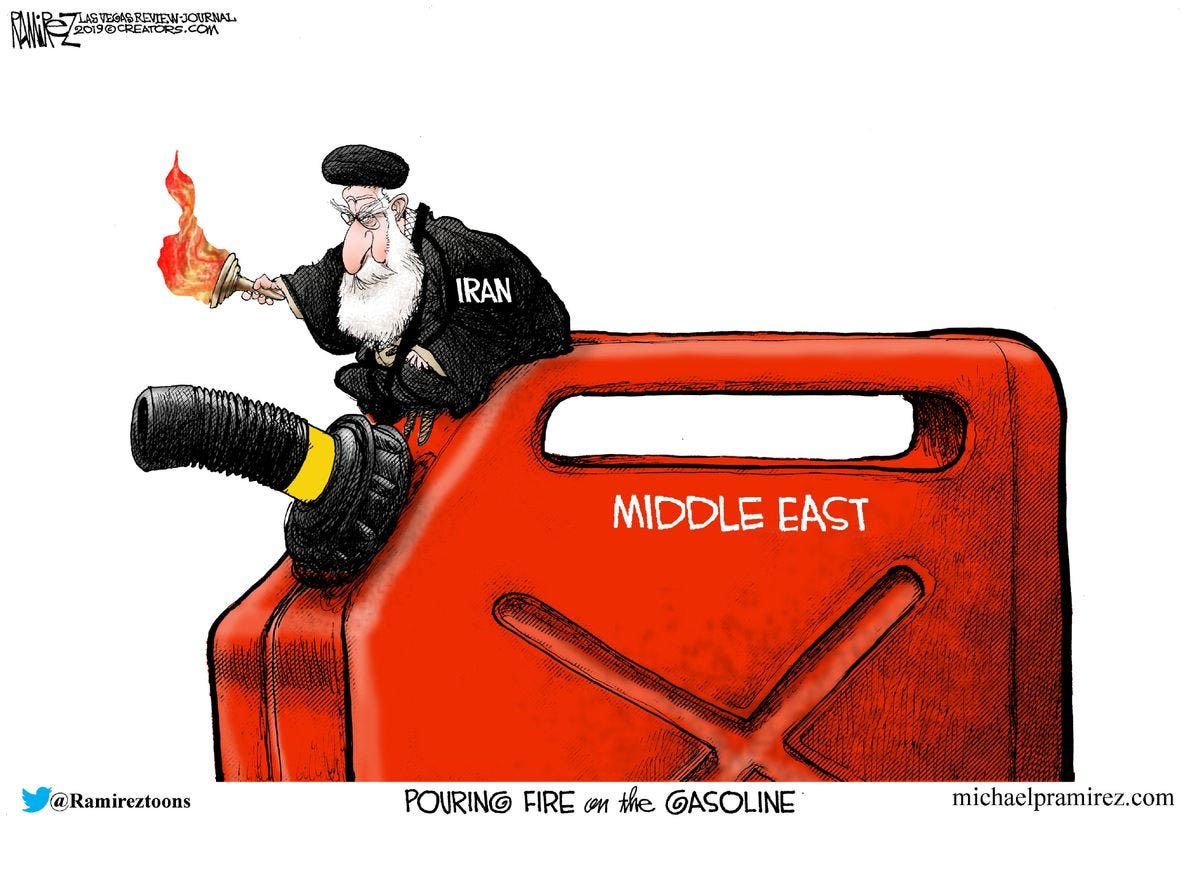
Okay, this brief background brings us up to today. Yes, we and many other nations have every reason to despise the current Theocratic regime, but this doesn’t necessarily mean we need to go to war with them, especially after the decimation of Hizbollah and Hamas by the IDF/ Israeli Defence Forces in Gaza and Lebanon. Then we joined Israel last year in attacking Iranian nuclear facilities, thus setting back their program to manufacture nuclear weapons, significantly.
Today, the US wrapped up talks with Iran about ending the current crisis, but by all reporting, they have been unsuccessful. Now the threat of war looms larger, although both sides claim to be still talking. In the past couple of weeks, the US has been quietly building up forces in the region and to the point that it is the largest prepositioning of US forces in the region for years. There is an enormous cost to forward deploying so many resources not to mention, the fact that it seems no one in the world wants this war, but Trump.
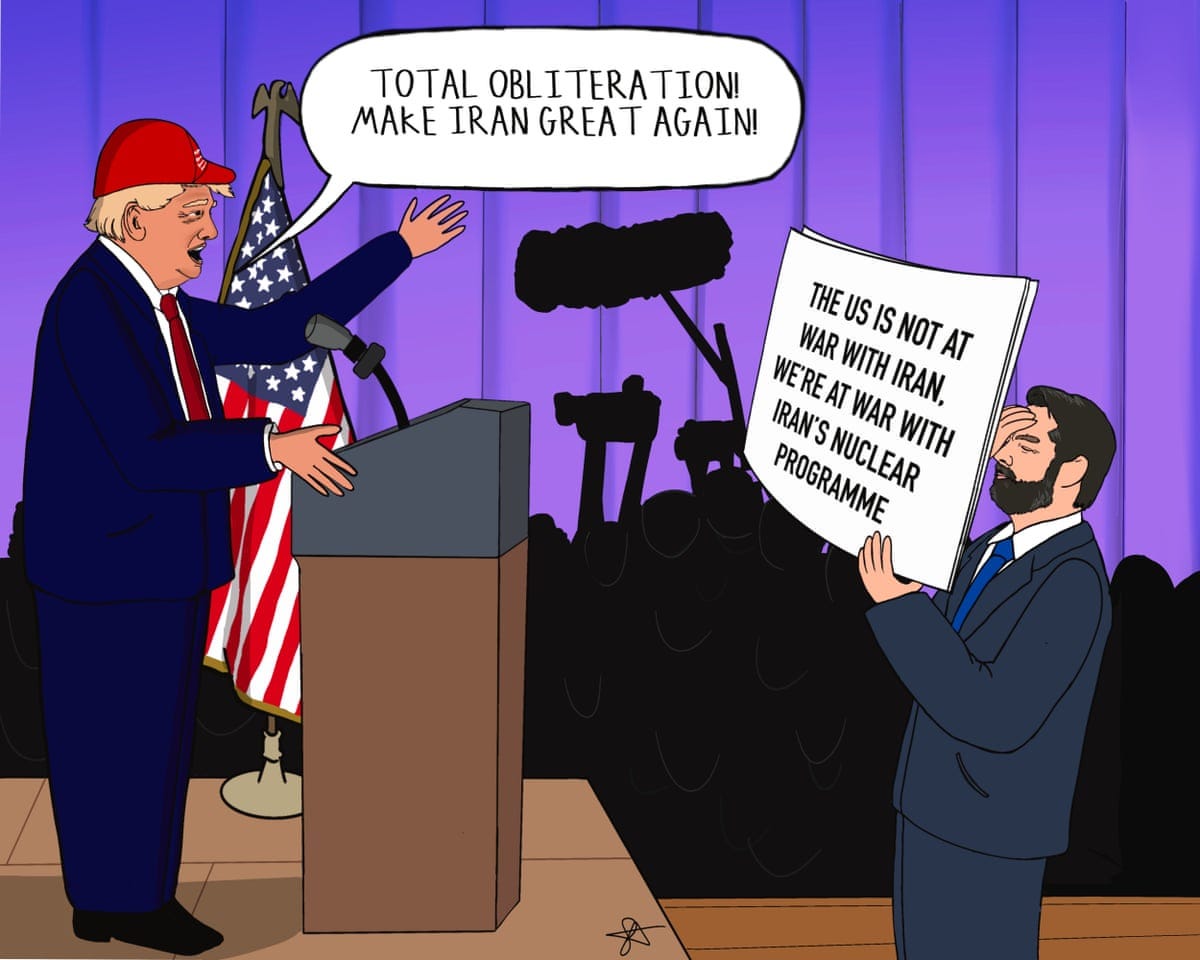
"The scale of the U.S. mobilization is indeed staggering. As reported by the Responsible Statecraft’s Kelley Vlahos, at least 108 air tankers are in or heading to the CENTCOM theater. As military officers reckon, strikes can now happen “at any moment.” These preparations suggest not only that the operation may be imminent, but also that it could be more sustainable and long-lasting than a one-off strike in Iranian nuclear sites last June."

- Arab and Gulf State leaders, Why Arab states are terrified of US war with Iran
- Responsible Statecraft
- Eldar Mamedov
- February 21, 2026
The UK for example, denied the US the use of their airbases for offensive actions against Iran. Most of the world also opposes such a war, and for good reasons.
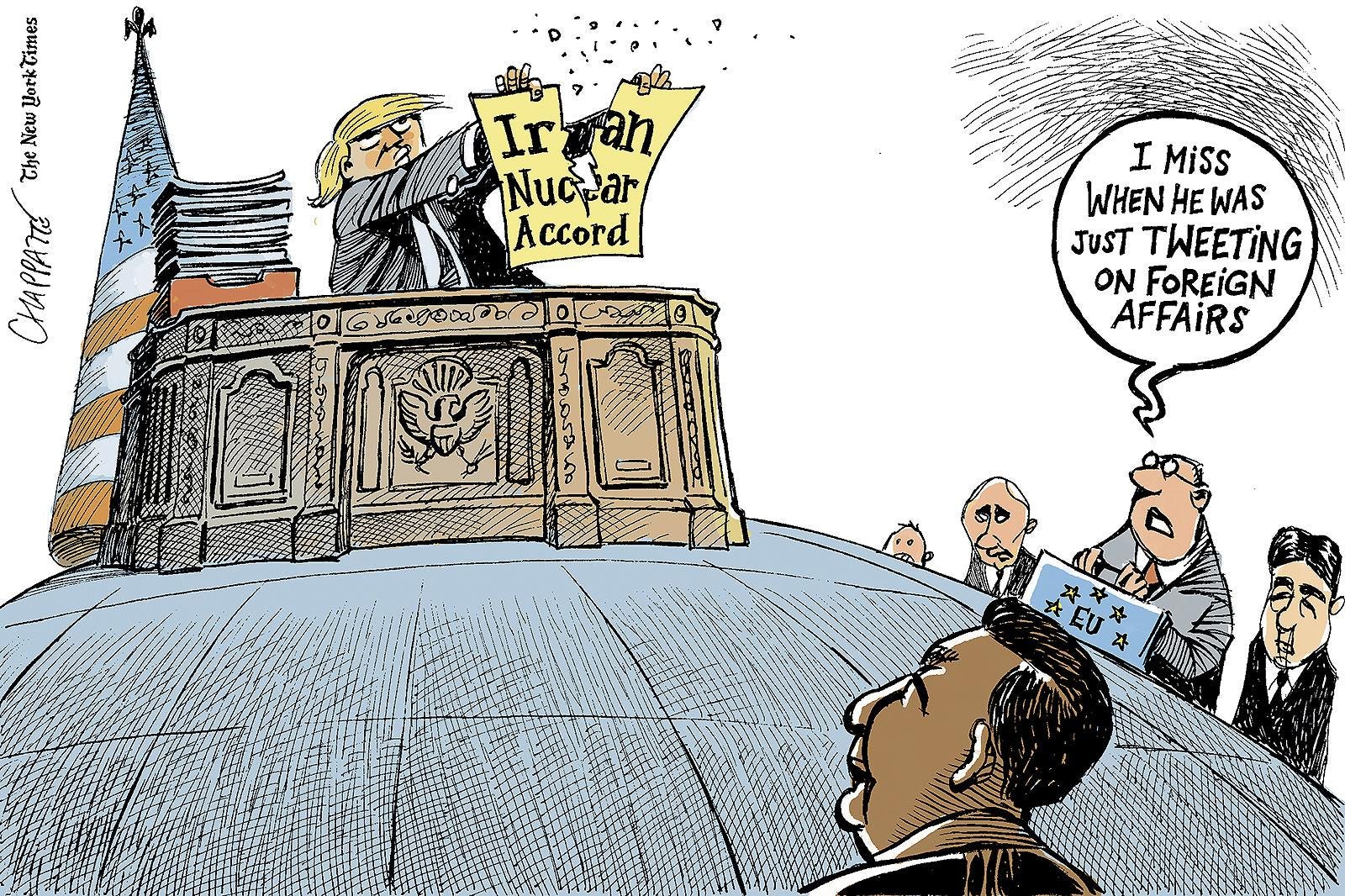
"There is an increasing sense of doom among the regional observers: given the scale of the build-up, there is no face-saving way for President Donald Trump to call off strikes and rescue himself from a situation into which he has needlessly driven himself into.

But while U.S. military planners look at target lists, Iraq and Gulf Cooperation Council (GCC) states see only risk.

“They may like to see the Iranian leadership weakened, but all of them are more concerned about a scenario of chaos and uncertainty and the possibility of more radical elements coming to power there,” Anna Jacobs Khalaf, a Gulf analyst and non-resident fellow at the Arab Gulf States Institute, told Al Jazeera last month.

Since January, Saudi Arabia, Qatar, and Oman, alongside Turkey and Egypt, have been engaged in intense diplomacy to pull Washington and Tehran back from the brink. This is not because they harbor any sympathy for Tehran, but because they realize they would be on the front lines of the Iranian retaliation, and what happens after if the regime were to collapse."

- Arab and Gulf State leaders, Why Arab states are terrified of US war with Iran
- Responsible Statecraft
- Eldar Mamedov
- February 21, 2026
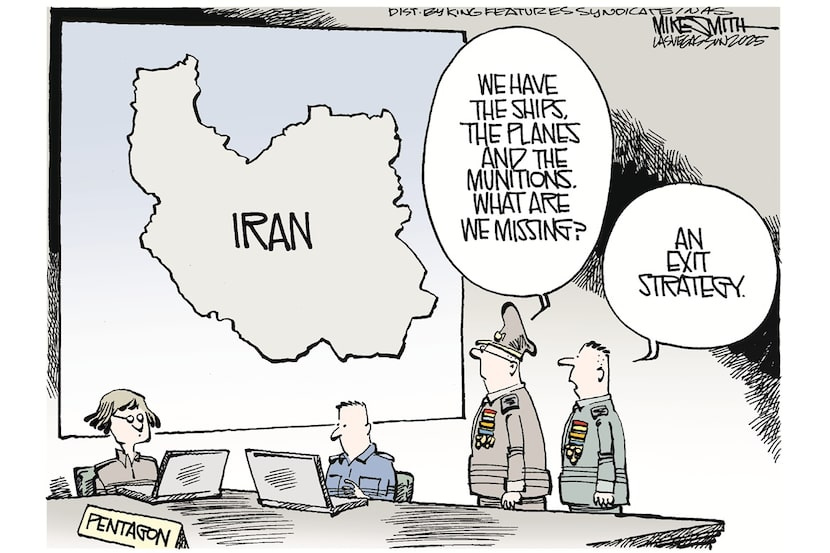
Even the US military is delicately attempting to dissuade the White House from their path. Chairman of the Joint Chiefs of Staff, Dan Caine has been outlining risks and they have the potential to be substantial. They range from sustaining operations that are employing an already overstretched force. The aircraft carrier, USS Gerald Ford for example, has already been deployed for 8 months, two more than a standard deployment. That could stretch to 11 or more. The news has been full of stories about how tired and worn-out the crew is, as well as the ship herself. This occurred also during our assault on the Houthis, at the beginning of the war in Gaza. After a billion dollars spent, the administration had accommodate a face-saving exit, only getting the Houthis to stop shooting at US vessels, in the bargain.
There are plenty of other reasons too. We would likely cause a run on our munitions stocks, already depleted in other operations. The Iranians, should they feel as if regime change was imminent, could block the Hormuz Strait where 20% of the world’s oil flows through. Domestic prices would soar if this were to happen. We would also not have the support of other Arab nations who assisted us during the Israel/ Iran conflict. We are not just losing allies in the Middle East, but Europe and NATO are fed up with us under Trump and already have been charting their own courses that don’t require the US. Trump has painted himself and us with him, into a corner.
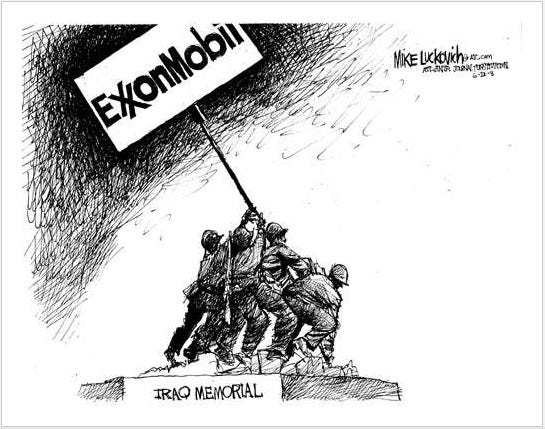
There are some other considerations that I have been pondering this week too. Iran’s oil is a tempting target for a president that doesn’t mind using our military to acquire access to more oil for US supermajors. After all, that’s precisely what we illegally did to Venezuela. Remember when Trump and the GOP were moaning loudly about Christians being killed in Nigeria? Well, anyone who has studied the region knows that interreligious violence in that particular part of north and northeastern Nigeria, is also where their oil is. These false pretenses for military action are absurd and only destabilize parts of the world that don’t need any more chaos. Then today, Trump was quoted saying that a peaceful takeover of Cuba may be in the cards. Imperialism died a couple of centuries ago, except between Trump’s ears.
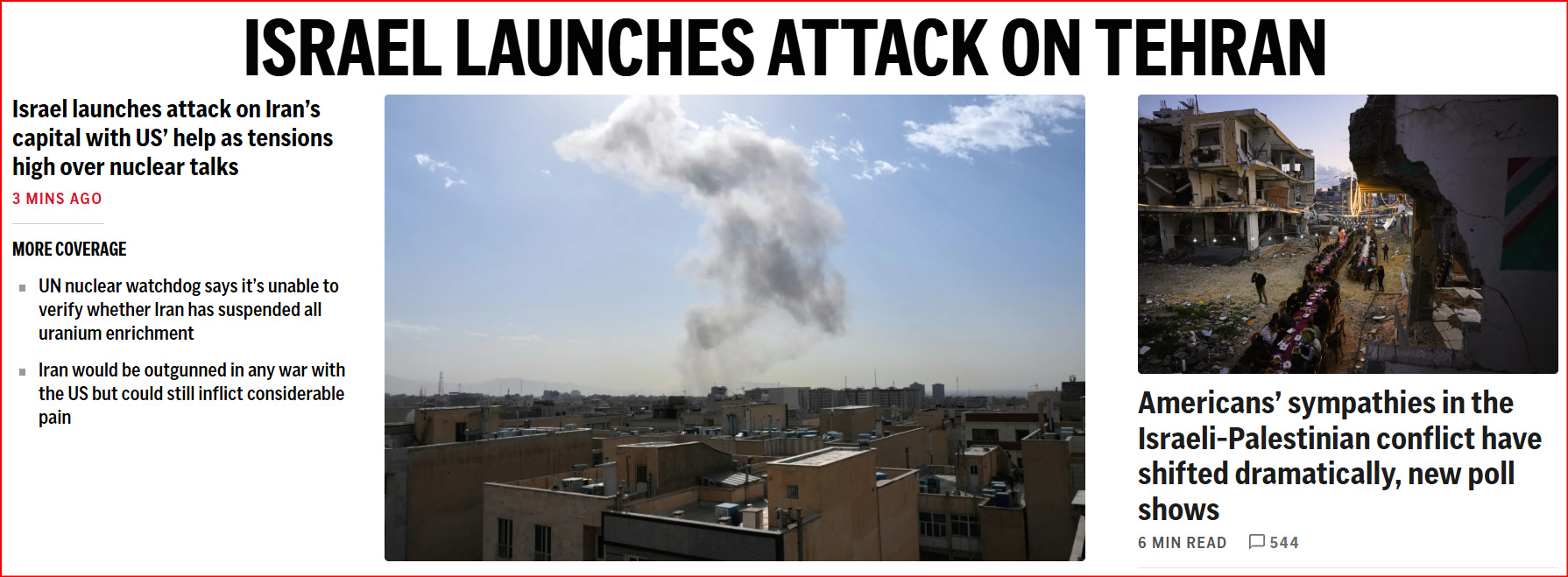
As I finish this essay, I just received a phone notification that the airstrikes against Iran have begun, and in conjunction with Israel. I suppose that this makes this essay a bit obsolete, but I will publish it anyway. The background and concerns of so many around the world, are still relevant. Few people appreciate peace like old soldiers. How ironic, a man too cowardly to serve his nation during Vietnam and bought five bone spur deferments, loves wars that he doesn’t have to fight. None of this was necessary. Godspeed the success and safe return of our troops, and may there be as few civilian casualties as possible.
Paul
Paul, Just a reminder, the Islamic Republic of Iran has been at war with the United States since the Islamic Revolution of 1979. It looks the USG has finally decided to join the party. Better late than never, I guess.
Also, it is being reported by Israeli state media sources and the Wall Street Journal that OGB himself is now just a smoking hole in the ground. While this has yet to be confirmed by additional sources, if true, it represents a potential seismic shift within Iran and opens up multiple possible scenarios, not least of which could be the possible restoration of the Pahlavi Dynasty.
Finally, it is also being reported that the Kingdom of Saudi Arabia has also gone on the attack against Iran in support of US and Israeli efforts. Also, if true, this represents a truly historic shift in Middle East relationships: Israeli and Arab forces fighting side-by-side against a common foe is truly an amazing development.
V/R
Doc B