

TAT readers,
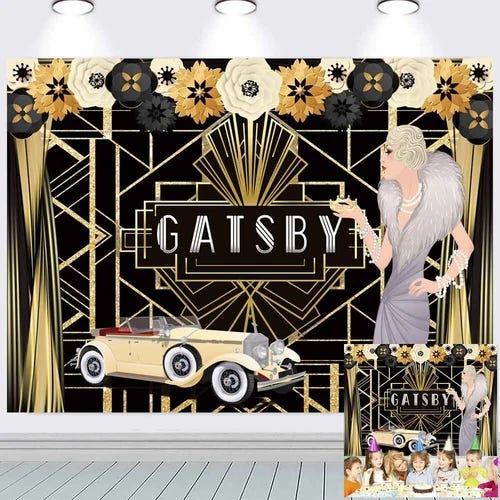
Today my friends, I’m looking at our times through the lens of F. Scott Fitzgerald’s, iconic American novel, The Great Gatsby. Gatsby is in many ways, a parable worthy of our focus at a point in our history, that is frighteningly analogous to the period of American history, between the first world war and the Great Depression. Fitzgerald’s depiction of the excesses of many parts of American society during the Roaring Twenties, where the pursuit of money and pleasure bordered on hedonism, has a strong correlation to modern America and especially today’s Republican Party.
The Great Gatsby has long stuck with me, having read it at least fifty years ago, but it’s ending and some of its main themes have stuck with me through the decades. As I made my way through life as a soldier, a business owner and back to being a soldier, I have seen much of different classes of citizens from top to the bottom, a recurring thread through Fitzgerald’s work. The disparities between classes, once less distinct have become much sharper and somewhat more foreboding. It’s not the America our founders intended it to be. Oligarchy is not equality. The Great Gatsby piqued my interest today, specifically for this reason.
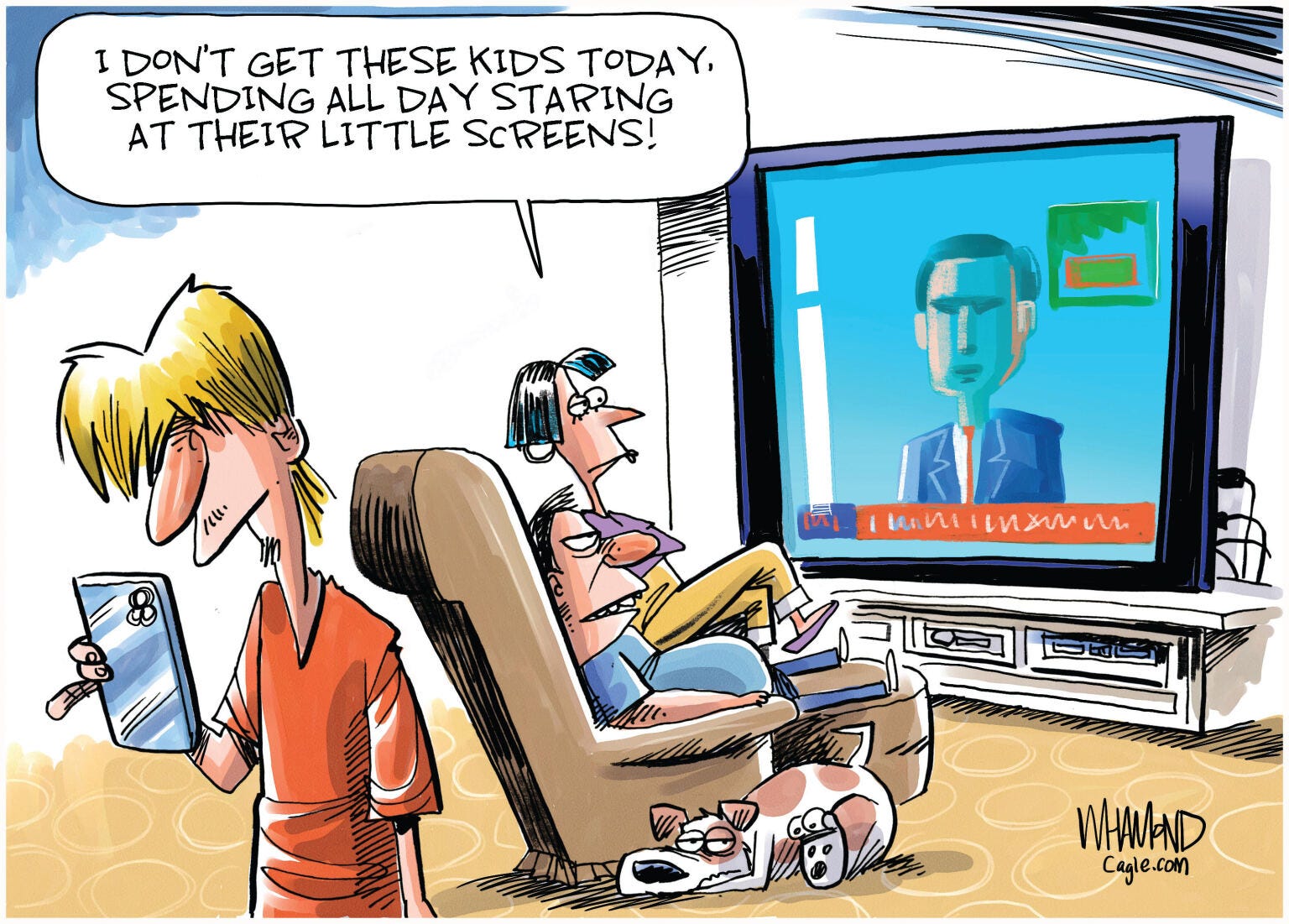
Reality TV, addiction to our phones, overpaid celebrities and celebration of money and materialism over our ideals, lays the groundwork to end a decade of MAGA Trumpism, the same way that the Great Depression ended the Roaring Twenties. Do we have the courage to stop the madness before it’s too late? That my friends, is a question fit for self-reflection.
To be clear, I am no literary genius and this is no literary critique of Fitzgerald’s iconic masterpiece, but even I can see the parallels between the circumstances, characters, and their prospects in Fitzgerald’s book, and modern America in the Trump/ MAGA era. The only thing missing, is that the only love story in our modern version, is Trump and the GOP’s love for power and status. They will never receive the status, after purchasing the power. Gatsby failed and so will they.


The 1920’s in which Gatsby is set, was the post-war era of large industrial expansion, Prohibition, enormous wealth growth for some Americans formerly of the lowest classes, and of course the elite classes hellbent on excess, pleasure and selfishness. The 20s also brought prohibition, which practically birthed, the organized crime we are familiar with today. The “old money” crowd, were just as hellbent on keeping the “new money” crowd from joining their exclusive world. Gatsby in the novel, is new money attempting to enter the exclusive club, for love, only to fail. No matter how many parties he threw, generosity and kindness he heaped onto others, the social class he desired, was closed to him due to his humble beginnings.
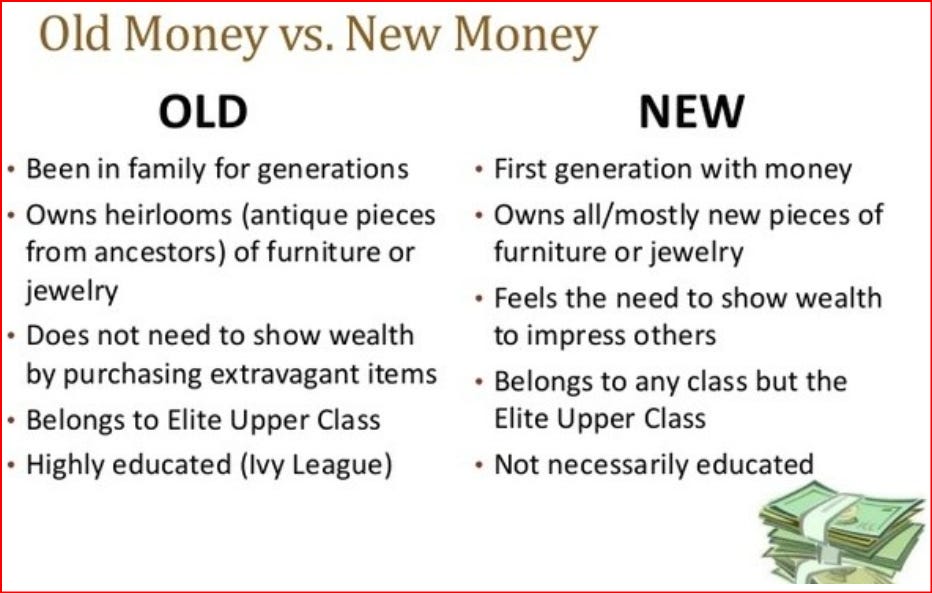
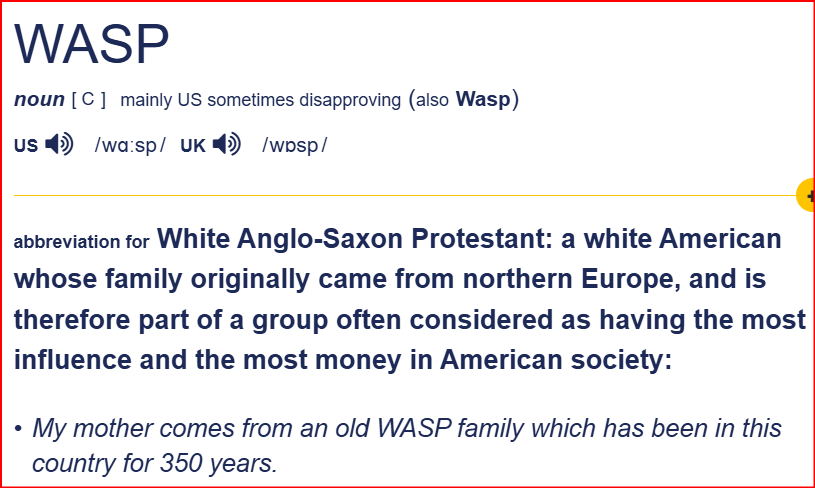
Trump, devoid of Gatsby’s charisma and learned social graces, also will never be accepted into the so-called “old money crowd,” like those of the stuffy old New York City, Upper East Side WASP families, some dating to the American Revolution. His perpetually shameful and lawless behavior, virtually has ensured that his children and grandchildren will forever be outsiders as well. This is one thing that he cannot coerce, buy or steal, and it drives a great deal of his vengeance against NYC and select populations within. His legacy associations with organized crime in NY, also does him no favors. Another correlation to Gatsby, whose rise to fortune was also mob-enabled.
Gatsby was in many ways, a metaphor for the aspiration of “the American Dream” of upward social mobility if one worked hard enough. The social norms of old money, still steeped in the Victorian era tradition, saw Gatsby and other social climbers as a threat to that morality, with their Flappers, Bathtub Gin, powerful new Jazz sounds and of course, far less stringent social morality, associated with those holding tightly onto their Victorian era stodginess. Decaying social morality, as expected birthed multiple culture wars, much like today. America was on the move and most felt like the opportunity they’d come to America for, recently or earlier, was within their reach. A few scant years later, the Great Depression would end the dreams of most Americans, including much of the upper classes.
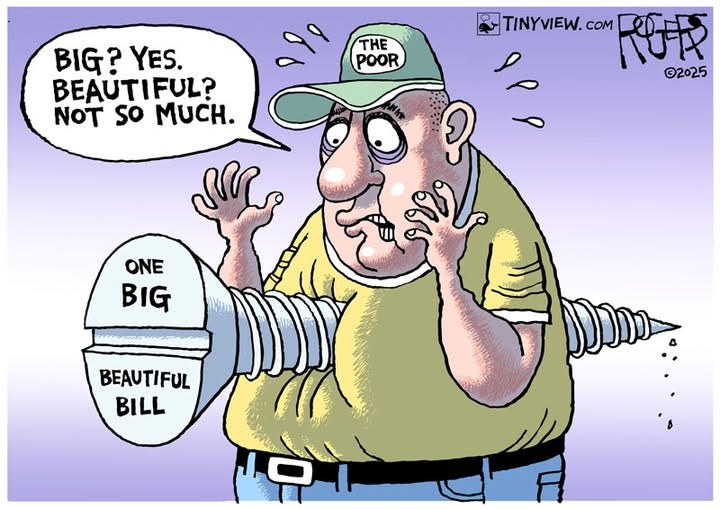
If excessive focus on pleasure, materialism and social rank defined the 20s, one might say that our current era, is the Roaring Twenties on steroids. Despite throwing endless parties for all of those in the social class he worked so hard to earn, the hollowness of the class itself ensured that acceptance among them, would elude him. Even as Gatsby dies in a twist of fate at the end, none of those who’d enjoyed and taken advantage of his generosity, attended his funeral. Like today, so much of the elite wealth class at ease with this administration, looks down their collective noses at the rest of America. The Big Ugly Bill, will tragically, expand the expanse, between “them and us,” a perfect setup for class warfare.
Although the times are analogous, the men are not. Where Gatsby was generous, Trump is a lifelong deadbeat. Where Gatsby could act with honor, Trump is devoid of even a hint of a moral spine. Where Gatsby loved and sacrificed for love, Trump is incapable of loving anyone but himself. Where Gatsby volunteered for service during WW I, Trump is the very definition of a draft-dodger and is now, a full-blown insurrectionist. Where Gatsby was dedicated to being worthy of his love, Daisy, Trump is a lifelong sexual predator and probable pedophile.
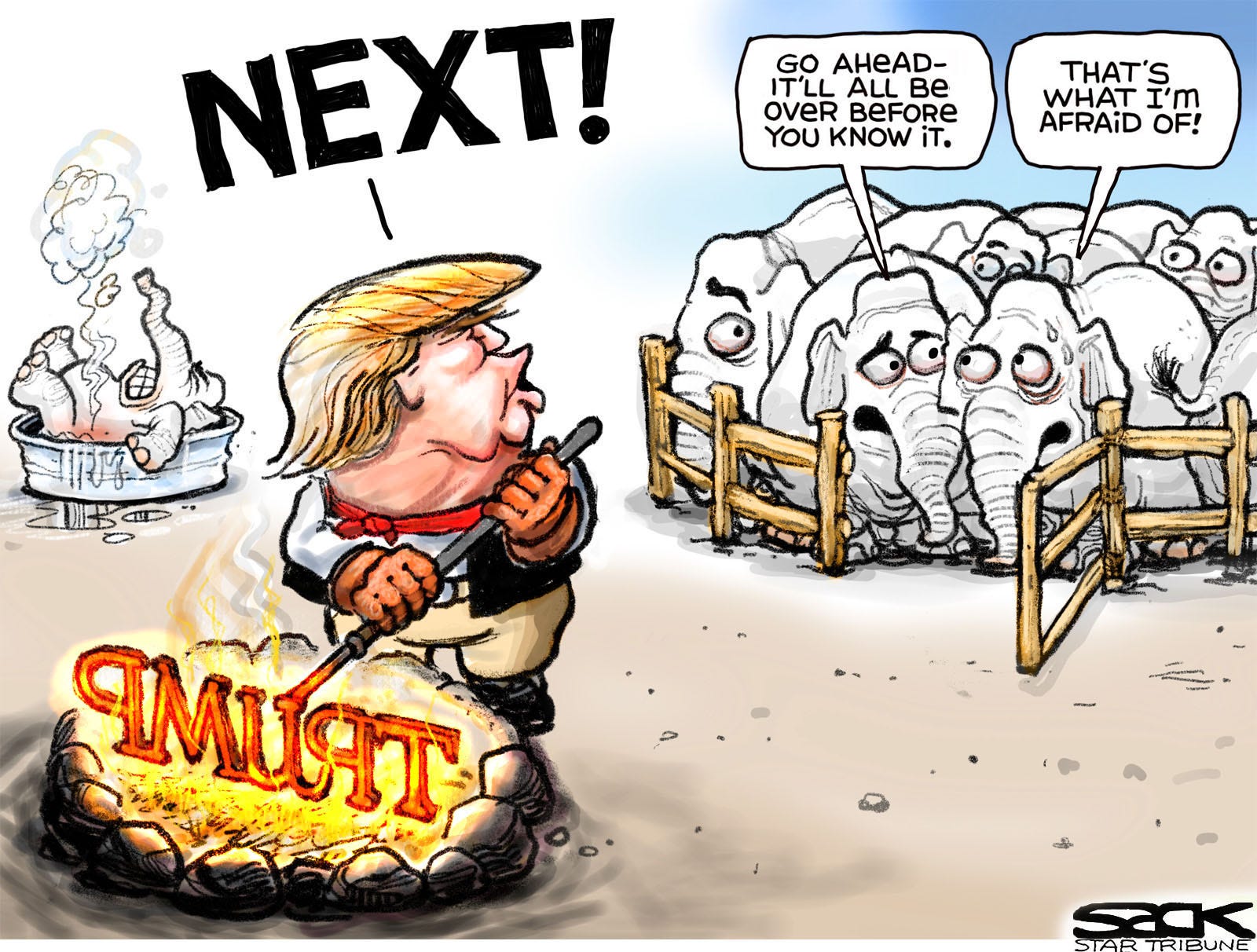
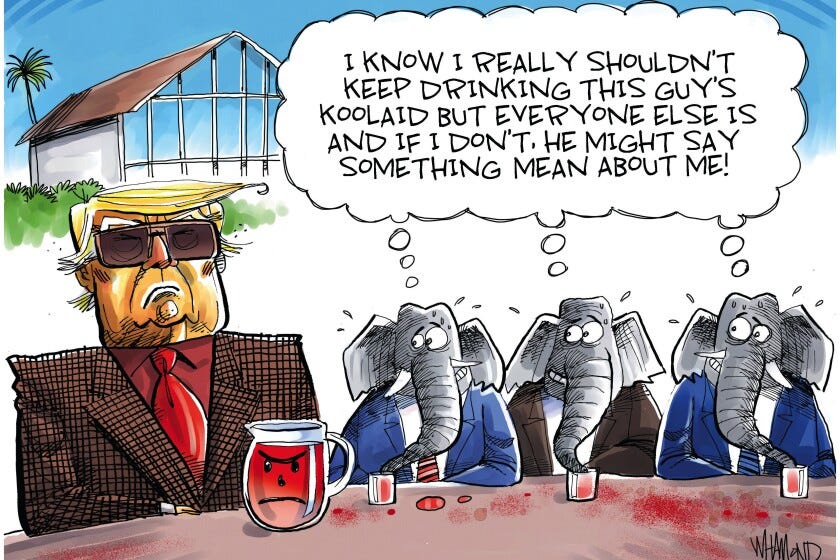
Besides comparing historical times and Gatsby to the present and Trump, there are also those representing the Republican Party, who represent the vacuous upper classes of the new money crowd in the novel. Both Republican leadership and their voting base, are as thoughtless, insincere, dishonest and selfish, as those who never so much as said “thank you” to Gatsby, nor attended his funeral. All they care about is what they can acquire for themselves, and without concerns for anyone else.
There are so many parallels between the Trump era and the Roaring Twenties of Fitzgerald’s novel, but the one we must all be concerned over most, is that which inhabits many of Fitzgerald’s storylines, the aspiration to succeed, especially in regards to the American Dream. He and his wife Zelda, a force in her own right, had experienced arching highs and seemingly bottomless lows, mostly associated with their inability to live within their means, despite spending time in elite artist circles of the period, with the likes of Ernest Hemingway. While that Trump hungrily craves association with celebrity, Fitzgerald and Zelda, preferred those who were passionate about art, ideas, human nature and in Fitzgerald’s personal interests, the aspirations of every citizen to achieve the American dream. As we know, Trump is allergic to ideas, knowledge, reason and of course, a moral spine.
Throughout the novel, it becomes an easy exercise to point to modern figures as symbolized by different characters within. While one compares and contrasts not only the storyline similarities to our current times, it is important to also understand that the identities of the characters which represent much of the current administration and other outside oligarchical types, that The Great Gatsby does not have a happy ending. The characters are tragically flawed, many excessively such as Tom and Daisy, who represent the malignancy, permeating the elite upper classes. It is their callous behavior that is so reminiscent of what now infects the nation like a cancer. A consumer and user society, to be used for pleasure and discarded, but always leaving the mess for everyone below them to clean up.
Like India, America has its own caste system and it is becoming far more rigid by the year. Upper mobility for most Americans is now quite limited, while downward mobility is much like an axe, hanging over the necks of a majority of our families. As we are learning with the insanity of the DOGE and Project 2025 cuts, tens of thousands of Americans can lose their jobs overnight, with a signature from the Oval Office. Like Tom and Daisy, this administration are careless people, insensitive to anyone’s needs, but their own.

The thought I’d like to leave you with is simple, “let’s not allow America to end as haplessly and carelessly as either Fitzgerald’s or Gatsby’s lives. In fact, it would be great if we prove that the American dream so carefully addressed in Fitzgerald’s writing, is still alive and well. Our grandchildren will thank you for it.
Back later in the week,
Paul
Paul, the use of literature to make the point is brilliant!