

TAT readers,
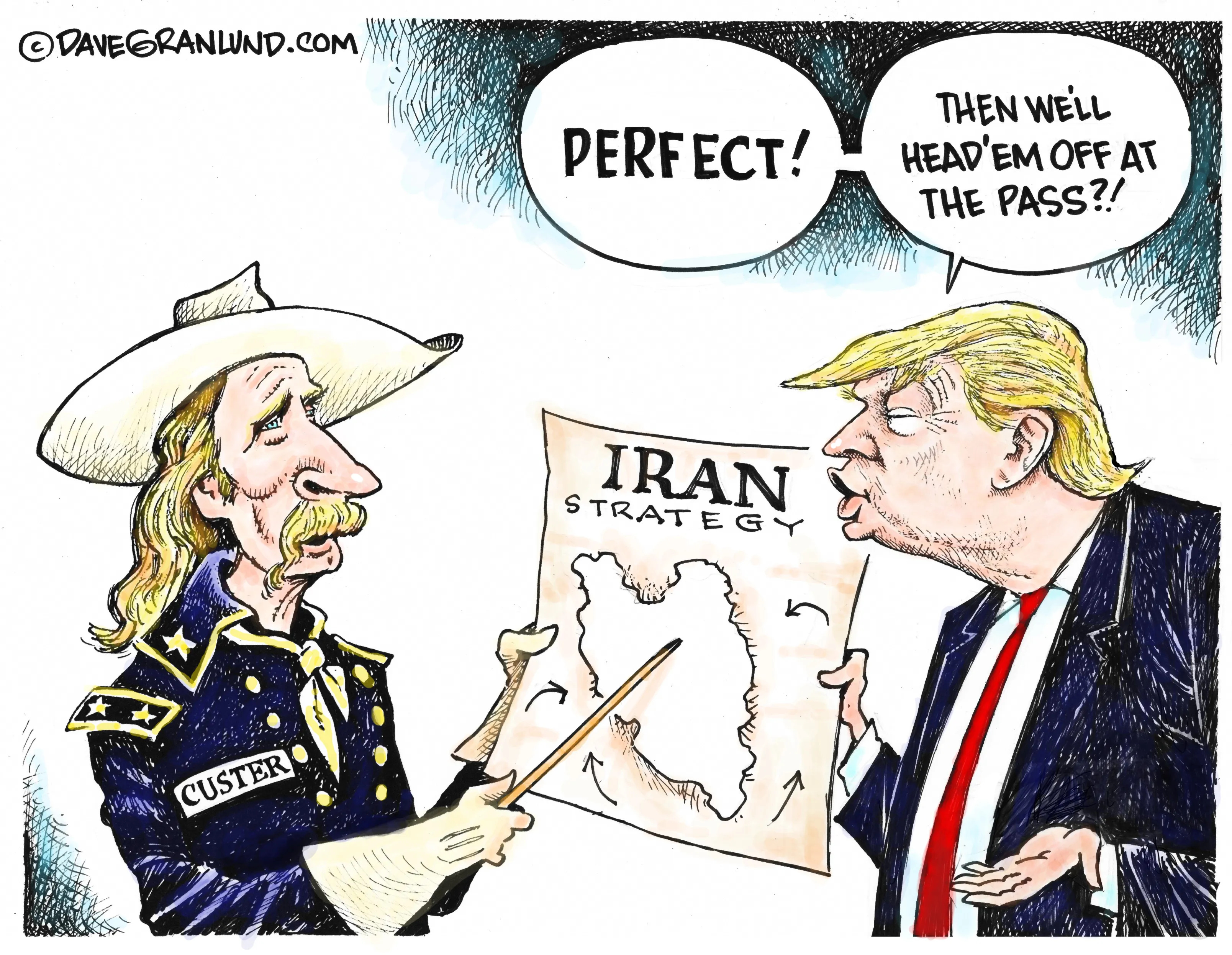
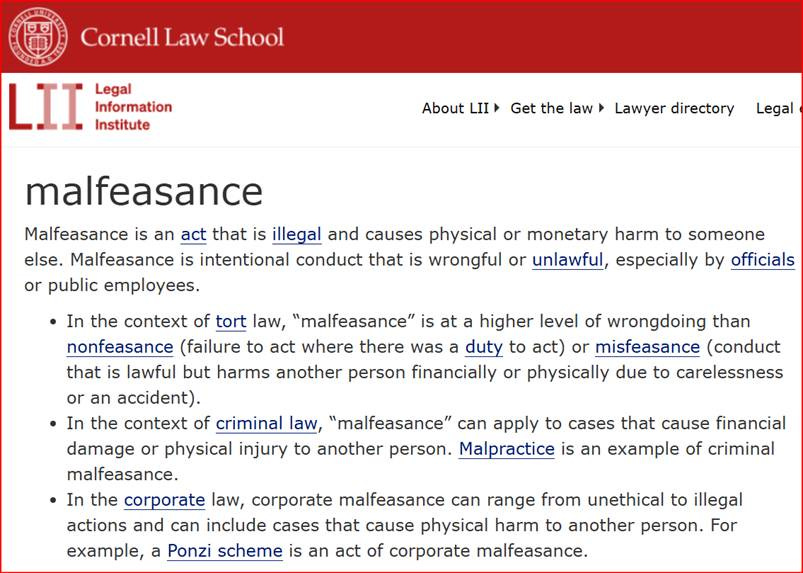
Someone must tell the truth about the threat of terrorism imposed onto all US citizens, due to the malfeasance of this administration. Mind you, I’m not a lawyer or any legal expert, but like all of you, I can read and understand what I read. I use the term here today, because it so accurately describes the behavior of this administration in all respects, concerning the unconstitutional war in Iran. I welcome any honest attorney to correct me if I have erred. While that I hope and pray these attacks are fewer than anticipated by true counterterrorism experts, of which I am one, every serious professional in my world is saying what I will say here today, in one form or another.
Overview
DHS Secretary Kristi Noem, who was fired yesterday, utterly failed in her mission to protect the homeland from terrorism. This includes the now acute threat from forward operating Iranian Quds Force cells globally, especially here in the US and the West in general. Tangentially, she deliberately failed to address the most dangerous and lethal domestic terrorism threat to the homeland for the past 20+ years, domestic far-right extremism.
The graphic comes from the “mission” page of DHS.
As someone who has seen many of the effects of terrorism up close and personal, watching the US remain willfully defenseless against what will likely follow, is maddening in the extreme. It’s not just DHS though. The FBI has a primary role here as well, which begs the question, why did Kash Patel abruptly fire critical Iran experts working in counterintelligence, just days before the war began? I don’t blame agents and analysts either as that with the wanton purging of expertise across the board by this administration, what these fine Americans work on, is not in their control. The epic failure to prepare for terrorism at all, is just one more failure of leadership that has come to define this Trump and Republican run administration.
The threat from Iranian terrorism is in my professional opinion, acute. When such a threat appears, it requires educating and informing the American people in a manner such as what we all recall, post 9-11. In fact, DHS was born of that tragic terrorist attack. I discuss DHS and the FBI, as that they are the most recognizable agencies that most are familiar with. Twenty-two different agencies were woven together under the DHS umbrella. Still as Harry Truman’s sign on his Oval Office desk said, “the buck stops here,” meaning that whoever sits in the Oval Office is ultimately responsible. Within agencies, just like businesses, the Secretary, Director, CEO etc., is also ultimately responsible for what occurs under their leadership. This would also include senior leadership from the NSC/ National Security Council through the IC/ Intelligence Community and DoD, who bear responsibility too.
Next up, explaining the Iranian terrorist threats, who will action them and how we must help each other when our current administration is incapable of and unwilling to help us.
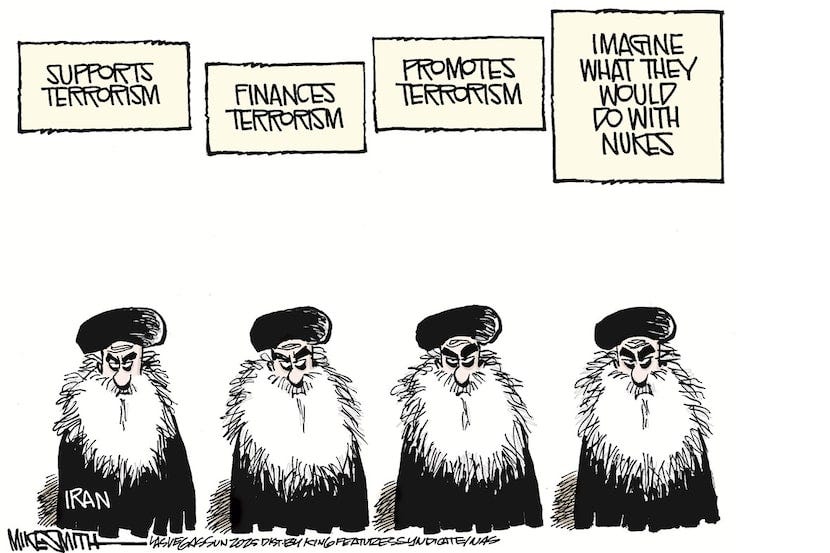
First things first, let’s look at who is most likely to be the primary threat.
The Iranian conventional forces are poorly led and poorly trained so these are not the primary worries. The primary Iranian forces are the multi-branch IRGC or Iranian Revolutionary Guard Corps. They are technically, a special operations corps and are often seen as a business organization, due to their tenacles being in much of what goes on in Iran and the outside world. Their missions range from protecting the homeland, border security and to several other functions. At this point there’s only one small, allegedly 5,000 to 15,000 man force that is the major concern regarding terror and that is the Qods Force, of which there are highly specialized operatives, teams and missions.
The Qods Forces, are responsible for activities outside of Iran, while the rest of the IRGC, stays home. Frankly, I believe the Qods Forces to be incrementally larger, due to complicit foreign actors and a vast operational network. These are the extremely dangerous threats we must mostly focus on here within our homeland. It’s important here that we better understand these operatives in order to better understand how to defend ourselves.
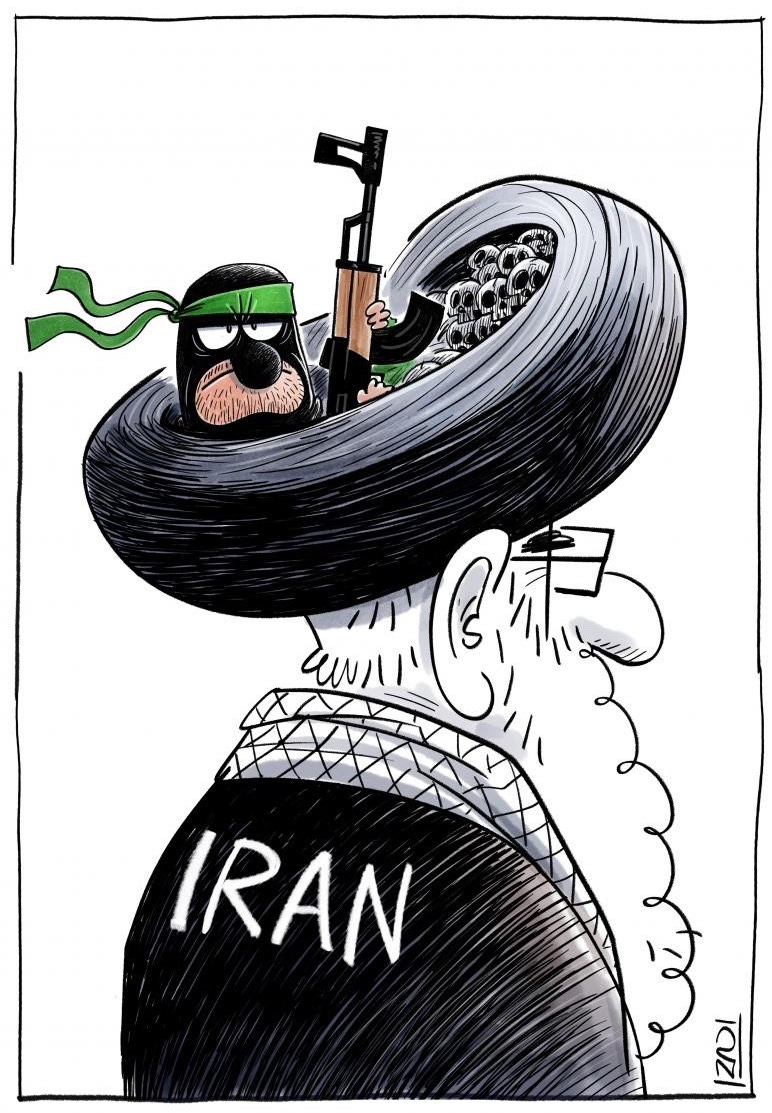
"The IRGC began sponsoring nonstate armed groups in the region in the 1980s, first deploying in the Iran-Iraq War. The Quds Force emerged as the IRGC’s de facto external affairs branch, and it has developed ties with armed groups from Afghanistan, Iraq, Lebanon, the Palestinian territories, Yemen, and elsewhere, providing them with training, weapons, money, and military advice to project Iran’s power abroad. Some of these groups frequently operate independently of Iran and each other, but Tehran views them as part of an anti-West “axis of resistance” under its sway. Experts say Iran has attempted to strengthen cooperation within this alliance in recent years.

By fostering these groups, Tehran has sought to export its revolution and deter aggression from Western countries and its perennial enemy Israel. The Lebanese movement Hezbollah, for example, shares Iran’s hostility toward the United States and Israel, which occupied southern Lebanon when the group was founded. The 1983 bombings of the U.S. embassy and the U.S. Marine Corps and French paratrooper barracks in Beirut, as well as the assassinations of various regime opponents, have been attributed to Iran and its proxies, namely, Hezbollah. Additionally, Western and Middle Eastern intelligence officials have tied the IRGC to the 1994 bombing of a Jewish center in Buenos Aires, Argentina, though Tehran says it wasn’t involved."

- The Islamic Revolutionary Guard Corps (IRGC)
- Council on Foreign Relations/ CFR
- January 30th, 2026
As you can see in the quotes above and below, the Qods Force and their extensive foreign network, are likely the most actively aggressive, state-sponsored terrorist and subversion threat on the planet. They were the architects of the October 7th massacre of Israelis that began the war against Hamas in Gaza. The same applies to Hizbollah in Lebanon. Always active and largely independent groups of these terrorists have embraced their work and demonstrated increased trends of operations over the past 10-15 years. Their primary prevailing trends in their operations are; assassination, surveillance and abductions, but never underestimate their willingness to operate as required to protect the interests and strategic objectives of the Iranian Regime.
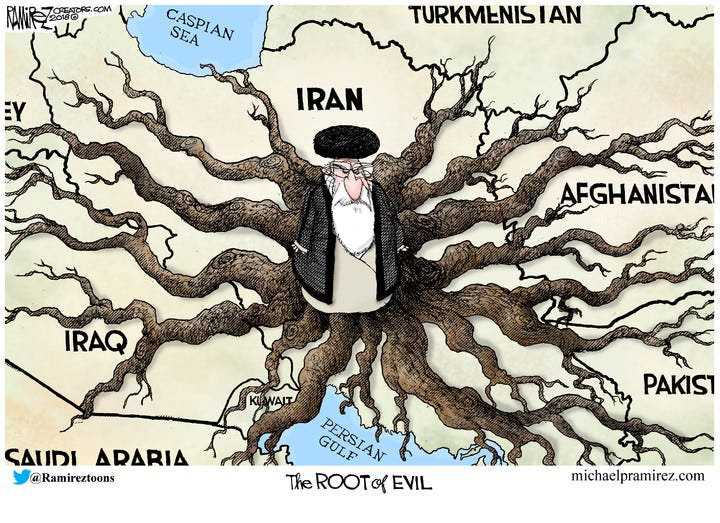
"Over the past 40-plus years, the Islamic Republic of Iran has targeted dissidents, Western opponents, Israelis, and Jews in assassination plots, abduction plots, and surveillance operations that facilitate both. Iran has carried out such external operations around the world, in countries with both strong and weak law enforcement agencies, border crossings, and intelligence services. It has done so consistently over the years, including at times and in places where carrying out such operations could undermine key Iranian diplomatic efforts, such as negotiations over the country’s nuclear program. This study, based on a dataset of 98 Iranian plots from 1979 through 2021, maps out key trends in Iranian external operations plotting."

- Trends in Iranian External Assassination, Surveillance, and Abduction Plots
- Combating Terrorism Center at West Point
- Matthew Levitt
- February 2022, Volume 15, Issue 2
At this point, I believe everyone gets the point, Iran has plenty of highly qualified and experienced operatives globally, especially here in the West. Any further discussion of their capabilities and tactics are better left alone at this point. The bottom-line to all of this is that these forces have been a serious but managed threat at home, for decades. What changes things now, are a combination of invading their homeland, supporting Israel and the ever-present ideological triggers for vengeance or in Shia Islamic terms, defense of Islam. To be clear, this is not all Iranians nor Muslims. Like all religions, there are extremists willing to kill for God. The Iranian regime at home has been painfully and brutally oppressive from the very beginning, hence building fury against them from the majority of Iranians.
A simple oversimplification is that Islam is broken into two primary sides, the Sunni side, which is the overwhelming majority of Islam. For example, the AQ, ISIS, Al Shabbab and all of the other extremist groups we’ve been at war with, are Sunni. Shia Islam is centered on Iran and these two have been at each other’s throats, for roughly 1,400 years. There are several subsects as well, which are best understood along the line of, Christianity, which has countless different forms, but generally fall into two general categories, Catholic and Protestantism, with countless subsects. Like Christianity, when faced with an outside foe, they unite, although this has had innumerable violent disagreements over the millennia in Christianity. Islam is the same.
The global 1979 Islamic Revolution began with the overthrow of the Shah of Iran. Sunni Muslims then followed Iran’s lead and began rebelling, in many areas of the region and North Africa, among other more isolated regions. This is what threatens today, that these two will unify again, in some form of anti-Western aggression, though not likely operationally. This means that we now face the possibility of two threats, one Sunni extremist and the other, Iranian Shia extremists. To date, the Gulf Oil States have managed to keep cooler heads among the masses, but it would take but a small spark, to turn all of this into a nightmare scenario. This requires a great deal of deep explanation but I’ll stick to the most prominent current threat to being Iranian retribution until or if I see more significant indicators of such a threat.
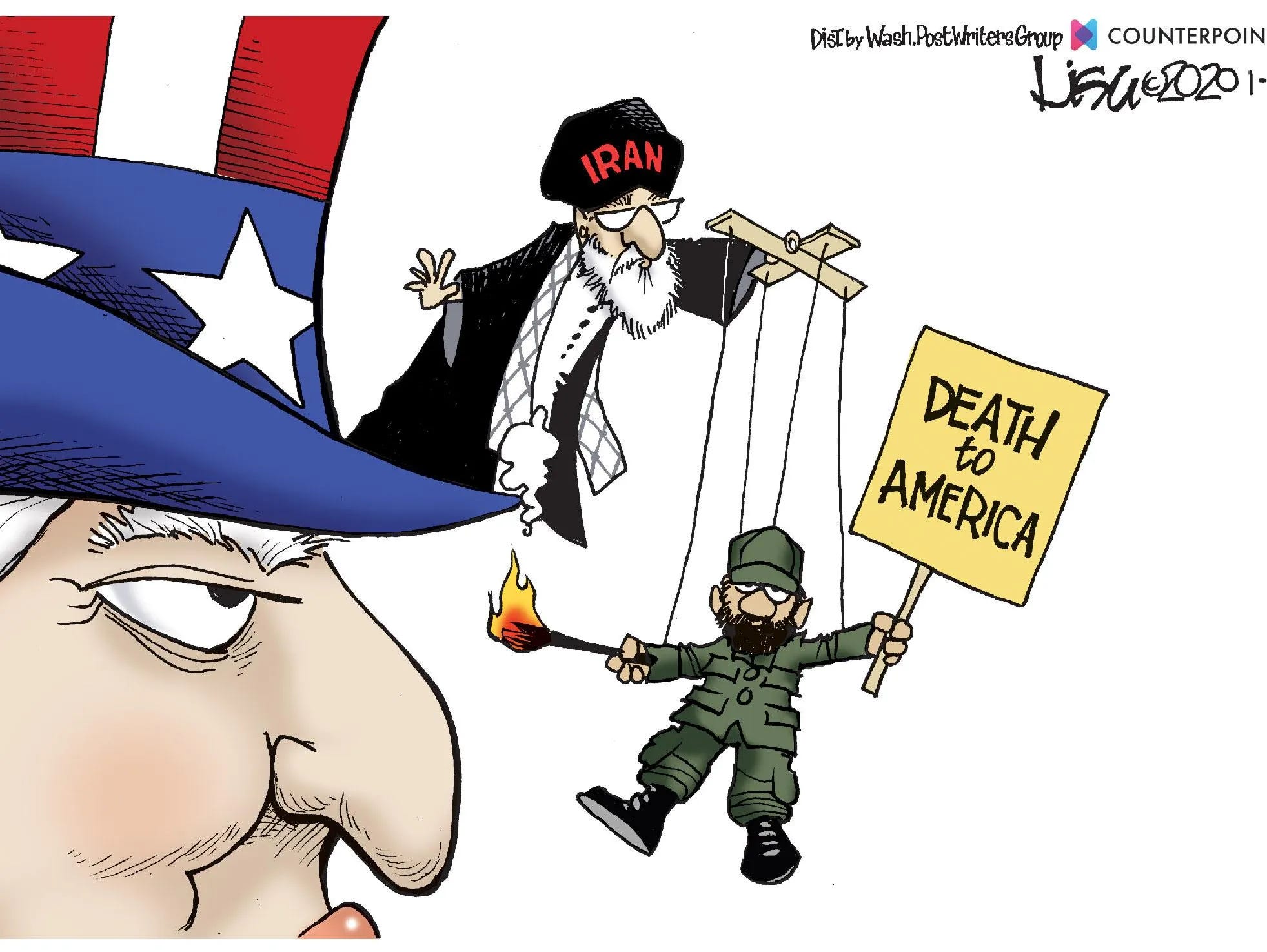
Should DHS funnel greater resources to address counterterrorism due to the Iran strikes?

"Yes. The United States is in an unprecedented dangerous situation when the Iranian regime’s desire to retaliate for the war and the killing of Khamenei could surface now or at any time in the future. For the regime, revenge has always been a dish best served cold. For example, Iran initially struck back after Israel assassinated Hezbollah leader Abbas al-Musawi in 1992 by bombing the Israeli embassy in Buenos Aires. It then staged another attack in that city over two years later: targeting a Jewish community center, killing eighty-five people and wounding over three hundred others."

- Iran and Terrorism: What the U.S. Strikes Could Mean for Homeland Security
- Council on Foreign Relations
- Bruce Hoffman
- March 5th, 2026
Now here’s the problem and what makes all of this intense for our homeland. Iran as discussed has the will, resources, expertise and ideological commitment to defend their Shia version of Islam and their homeland. Fatwas have been issued and these are better paid attention to than not. Fatwas are religious edicts issued by clerics to give direction or clarification to Muslims regarding an issue they are unsure of. In the past few decades, those Fatwas have been mostly in our news when they are placed on specific persons, groups or nations. A prominent Iranian cleric has indeed issued such and edict. Such an edict “ups the ante” on this arrogant gamble of a war by the current administration.
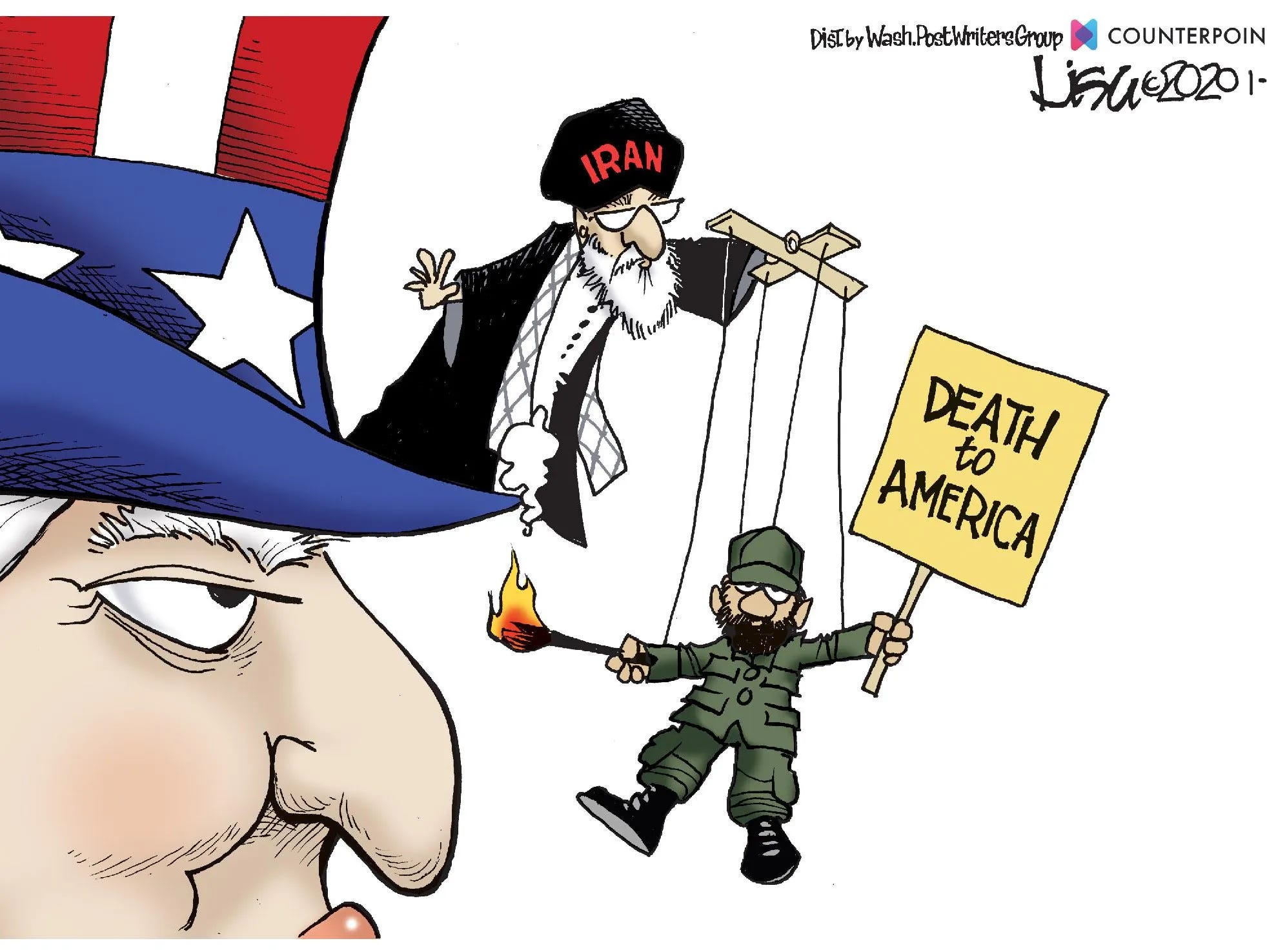
"Iran's Ayatollah Abdollah Javadi Amoli issued a fatwa calling for jihad and the shedding of the blood of Donald Trump and Israel amid escalating tensions in the region. Amoli said the absence of Iran’s late supreme leader Ali Khamenei is “unbearable,” and framed the conflict as a religious duty. Amoli described the confrontation as a struggle tied to the defense of the nation and invoked the concept of jihad, saying that the current situation requires sacrifice and resistance. The statement comes at a time when tensions in the Middle East are already at a boiling point following missile attacks, airstrikes, and naval confrontations across the region."

-  Shed American Blood': Iran's Ayatollah Declares JIHAD Against Israel & U.S. In Address To Nation
- Times of India
- March 5th, 2026
Wars can be well managed in the Middle East, as President Herbert Walker Bush, demonstrated in a masterclass during the first Gulf War to rescue Kuwait from Saddam’s bloody hands. It hasn’t been done since. Bush senior was probably as well qualified as anyone to pull together an Arab coalition along with our traditional allies, to fight a limited war with a limited objective. He knew the region, had strong relationships with rulers and deep business ties. That is how this war should have been handled, at least by the US. Israel has well-justified reasons for rendering Iran’s military infrastructure obsolete, at least for a while.
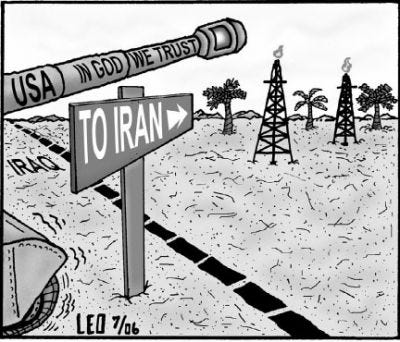
As for select types of support for Israel, I see justification but then again, of all the justifications from the administration, this is not one of them. As discussed in my previous essay this week, the current war is again about oil for Trump and his cronies, just like Venezuela. This also ups the ante for Iran and her best friend, Putin. With oil spiking in profit, Putin’s genocidal war against Ukraine, is getting a big cash injection. In turn, he’s been feeding target information to to Iranian forces.
We are all already frustrated that oil is skyrocketing, hence worsening our already unacceptable affordability issues. This gets worse from here on out or until there is an agreement of some type. Even an agreement will not translate into things returning to “normal” expediently. That’s just not in the cards due to Trump’s erratic and selfish greed and the Iranian regime’s hard lines. They don’t have to capitulate so long as they have substantial Qods Force operatives willing and capable of vengeance. I want to make it clear, that Iran’s regime had to go but this is not in any way, a well-formed strategy. In fact, it’s the worst possible way.
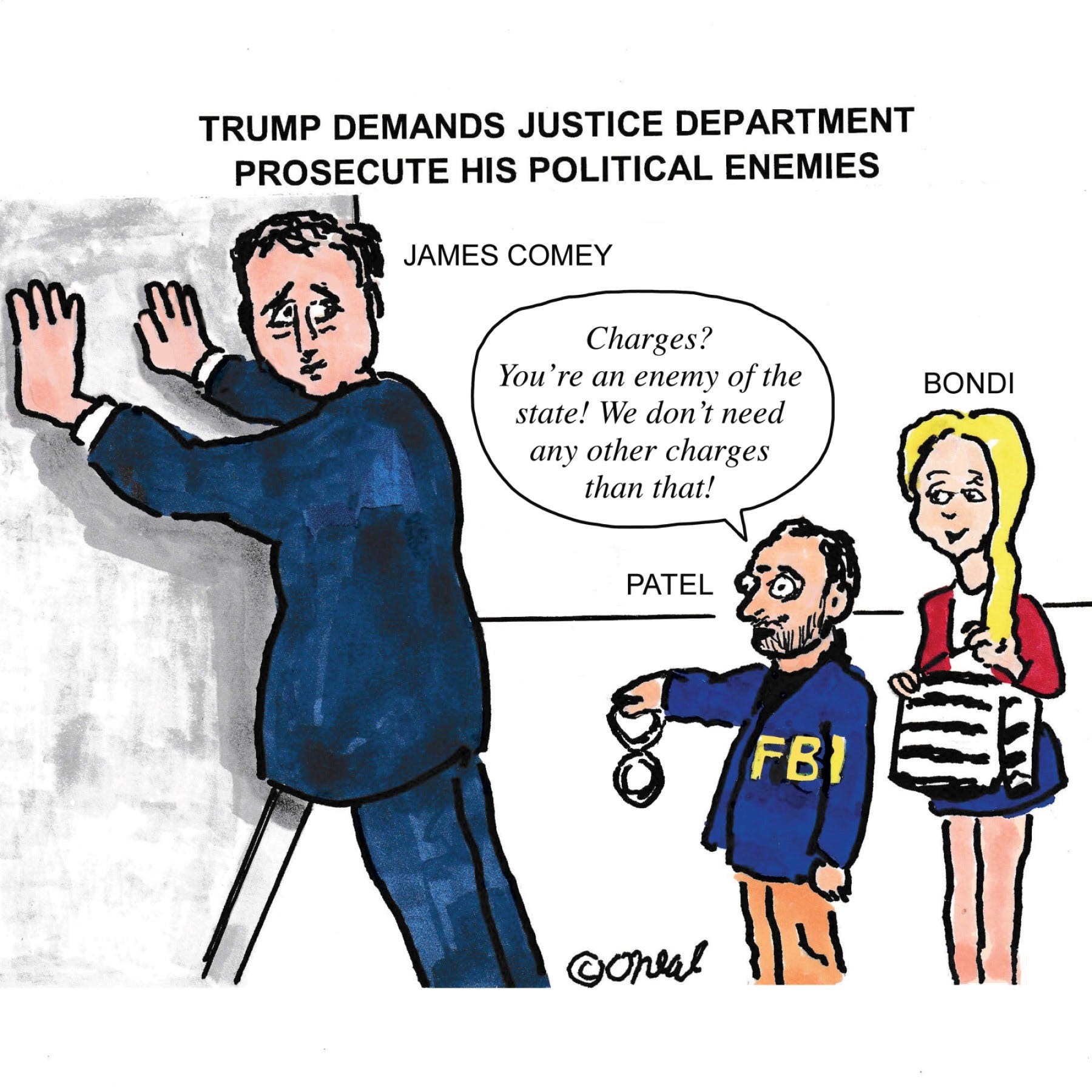
So what does this mean for our homeland defense? Great question because DHS under this administration and the FBI, are severely compromised in their mission. Demands to chase down Trump’s perceived enemies has cost reliable experts their jobs, only to be replaced by pathetically uninformed political operatives. The new Secretary of DHS, yet unconfirmed is beyond ignorant of anything related to homeland defense, in fact, his management experience is nearly non-existent at all.
Homeland Security today, is a shell of its former self and it’s there role that is most important to informing, educating and keeping all of us apprised of threats of all kinds, but with vapid, percentage based DOGE firings, experts fired because of some inane political reason, has left our DHS cupboard relatively bare. Even if they were fully staffed, they would be handcuffed to the regime propaganda, that we’ve seen plastered all over social media, airport screens and billboards. To be effective in defense of our citizenry, requires intelligence, disseminated widely and regularly and honestly updated, without the political spin and false narratives that define the current administration.
Most adults over 30, will probably recall the daily briefings from Government officials, the so-called “stoplight chart” that used red, yellow and green daily to tell us the overall terrorism threat. As I just checked the DHS website, the graphic below is what it shows.
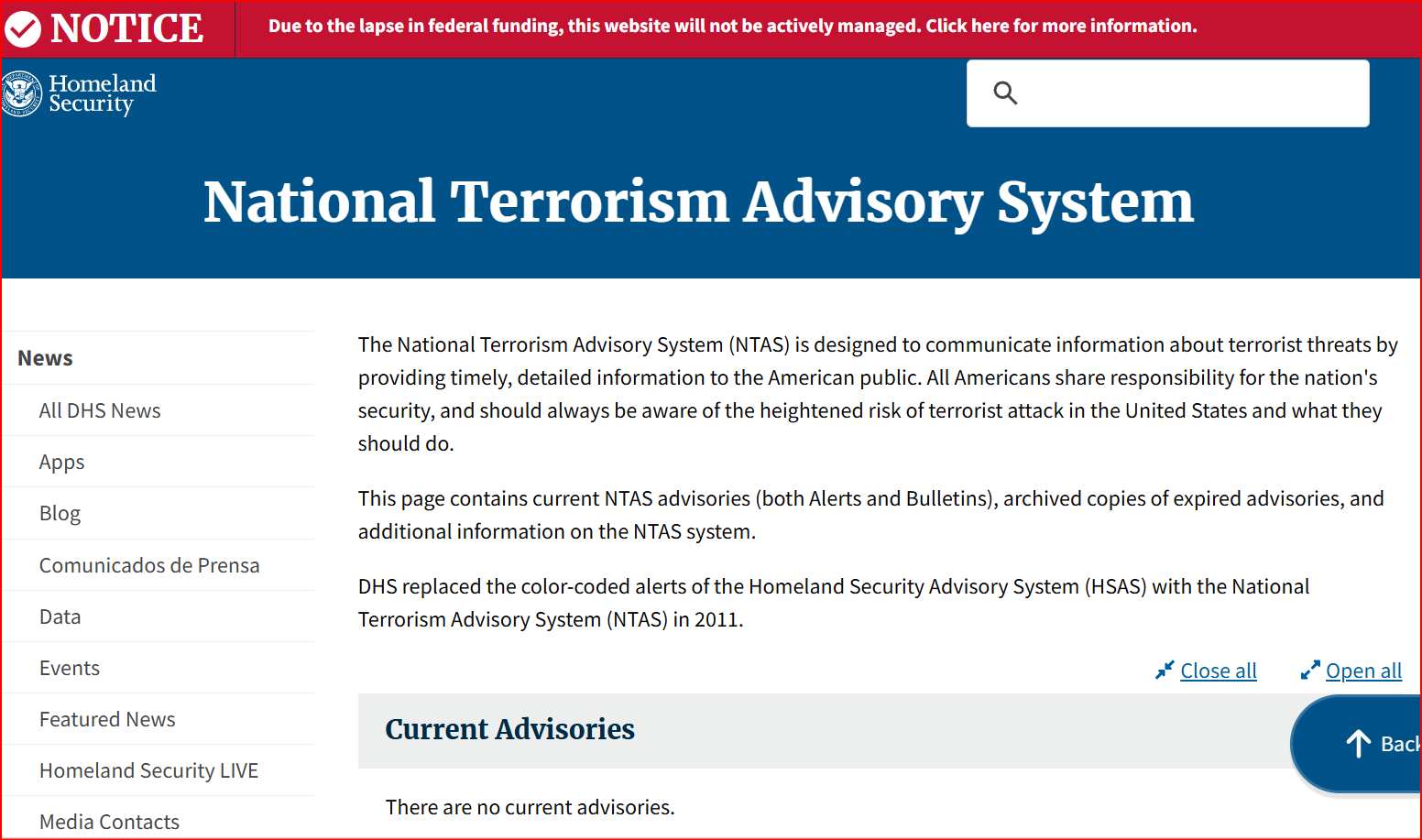
So what we have now, is an abandoned post while the nation is at war. Over at the FBI, who knows what is going on? There is no public advisory of any kind. In fact, the last entry on the Iran Threat page, is from 2022. Unlike the War on Terror where such entities did a professional job of keeping us informed, this administration didn’t even think about the homeland.
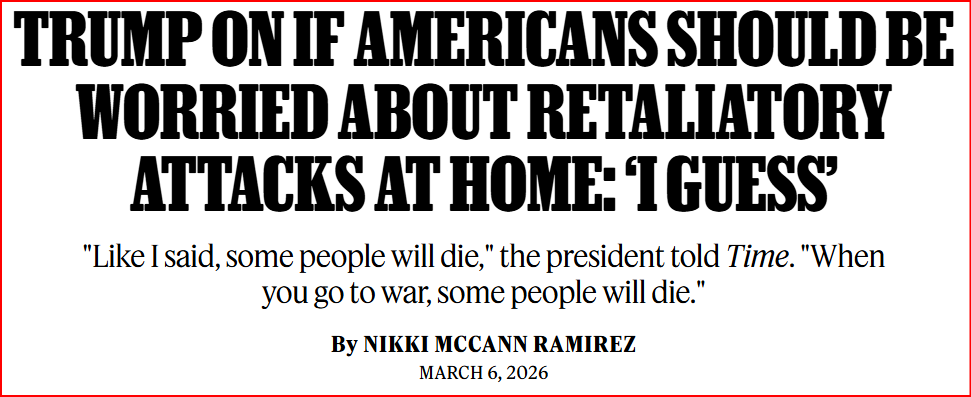
This is unacceptable by any standard, even the embarrassingly low one, set by our current incompetent administration. Failure is everywhere. Kuwait shot down three of our F-15s, the crews are still recovering. Department of State, gave a phone number for stranded Americans in the Middle East to get assistance in getting home that was inoperative. Normally, State handles all of this. Our allies in the Gulf and who direct targets were not informed, even at the highest classification level. These are merely a handful of examples. In all the time I’ve spent in the region, often at war, I could never have imagined that such incompetence could be on display and cost American and other lives. Mistakes are made in war, despite best the best efforts to coordinate, but this crew, made zero attempt. The incompetence also bleeds over into violating the constitutional rights of troops, when White Christian Nationalist rhetoric becomes leadership’s motivational tool.
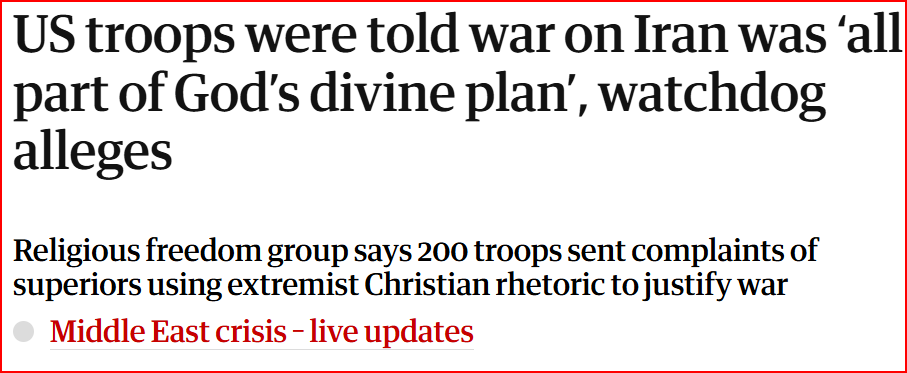
"Religious freedom group says 200 troops sent complaints of superiors using extremist Christian rhetoric to justify war

US military commanders have been invoking extremist Christian rhetoric about biblical “end times” to justify involvement in the Iran war to troops, according to complaints made to a watchdog group.

The Military Religious Freedom Foundation (MRFF) says it has received more than 200 complaints from service members across all branches of the armed forces, including the marines, air force and space force.

One complainant, identified as a noncommissioned officer (NCO) in a unit that could be deployed “at any moment to join” operations against Iran, told MRFF in a complaint viewed by the Guardian that their commander had “urged us to tell our troops that this was ‘all part of God’s divine plan’ and he specifically referenced numerous citations out of the Book of Revelation referring to Armageddon and the imminent return of Jesus Christ”.

- US troops were told war on Iran was ‘all part of God’s divine plan’, watchdog alleges
- The Guardian
- Sara Braun
- Tue 3 Mar 2026 16.21 EST
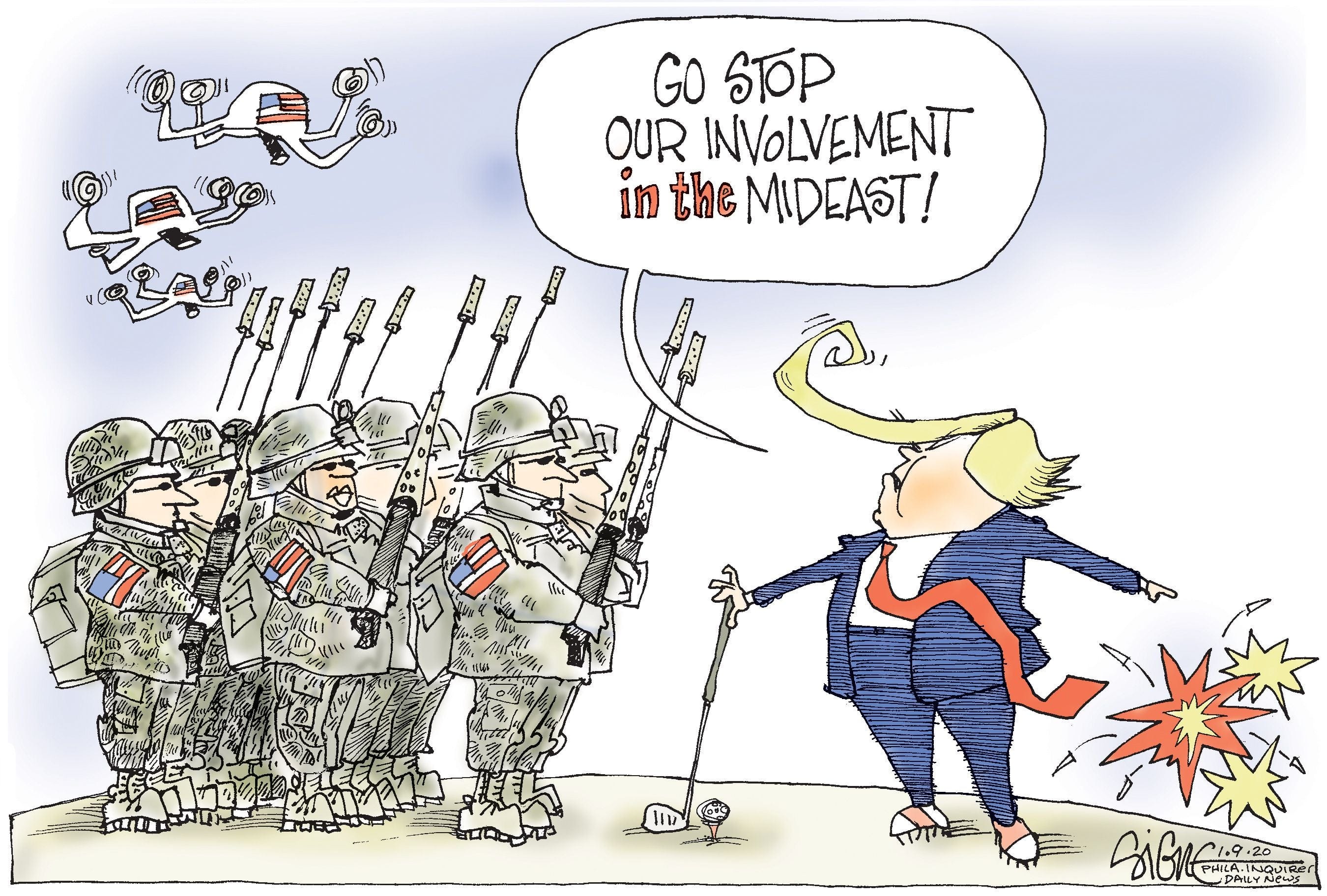
My point about the incompetence and arrogance of our leadership is that our troops, do not deserve incompetence when their lives are on the line. Neither do their families and the rest of us at home. Throughout my deployments, I’ve always said, “that things were harder on those at home.” We know what we’re doing in combat zones but those at home are in the dark. Now it works both ways, because those deployed that understand the threats at home, will worry about them when they need to focus on their mission. The Israelis have a professional military that runs on competence and planning. Some areas of our Pentagon under its current leadership, do too. Still, our overall leadership is grotesquely incompetent and drunk on power. This is how you lose wars and destroy countries.
The last I’ll say about our military is that, despite some of the most exceptional warriors on earth at any time, they are risking their lives for incompetents and greed. They deserve our support and the best way to give it to them, if by firing this entire administration, lock, stock and barrel.
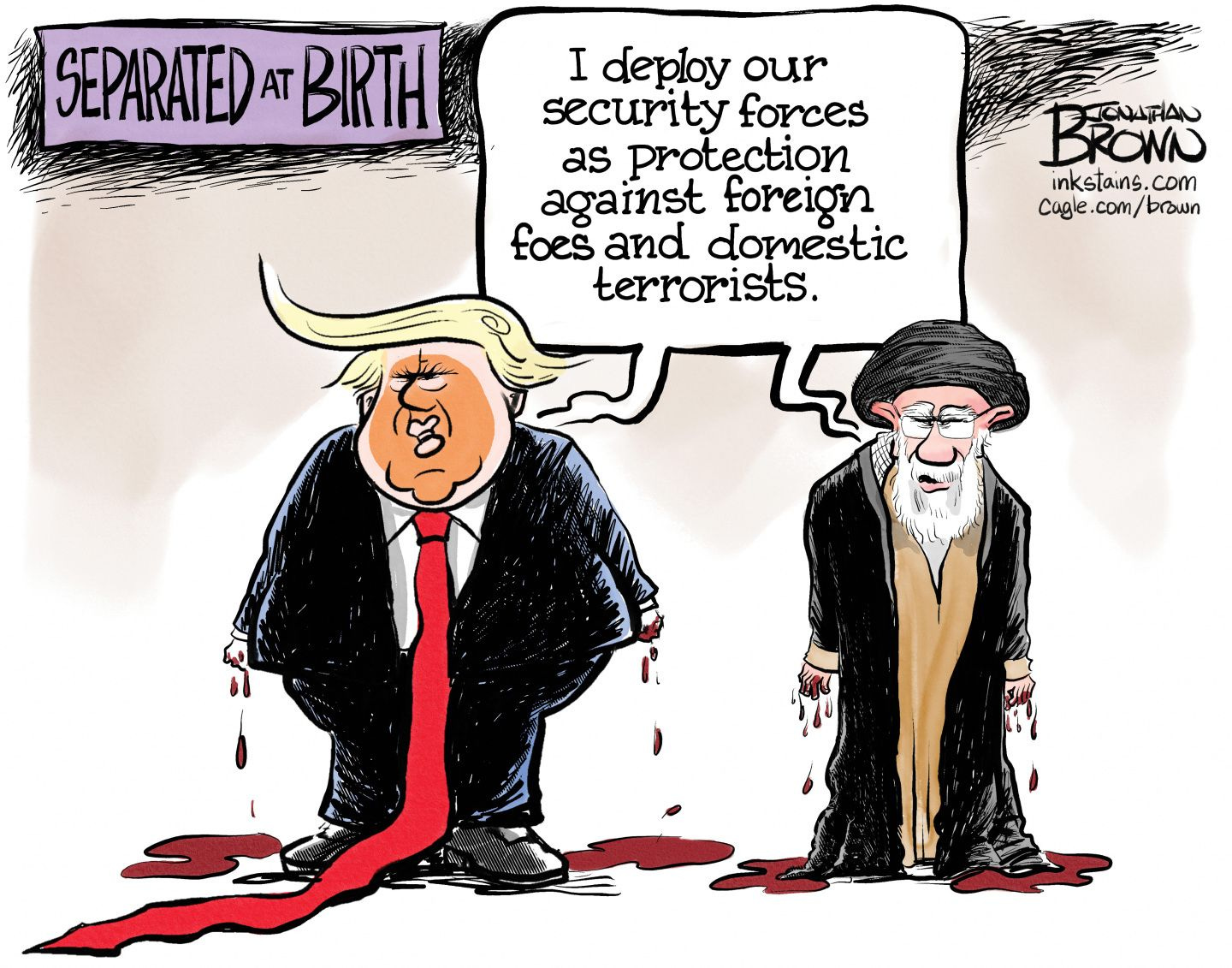
As this already, too long essay comes to a close, it’s imperative that the only way we try and get our feet under us before its too late, is to beat down the doors of every intransigent Republican in Congress and get them to do their jobs and stop playing politics with the lives of millions. Just last Tuesday on a party-line vote, Republican Senators declined to limit Trump’s war powers without congressional approval. Apparently, none of them have ever read the constitution.
This essay covered a great deal and I am indebted for your patience. Demand every congressman or woman, do their job and take back the power constitutionally granted to them as the only entity that can declare war. Demand competence in leadership and above all, demand truth.
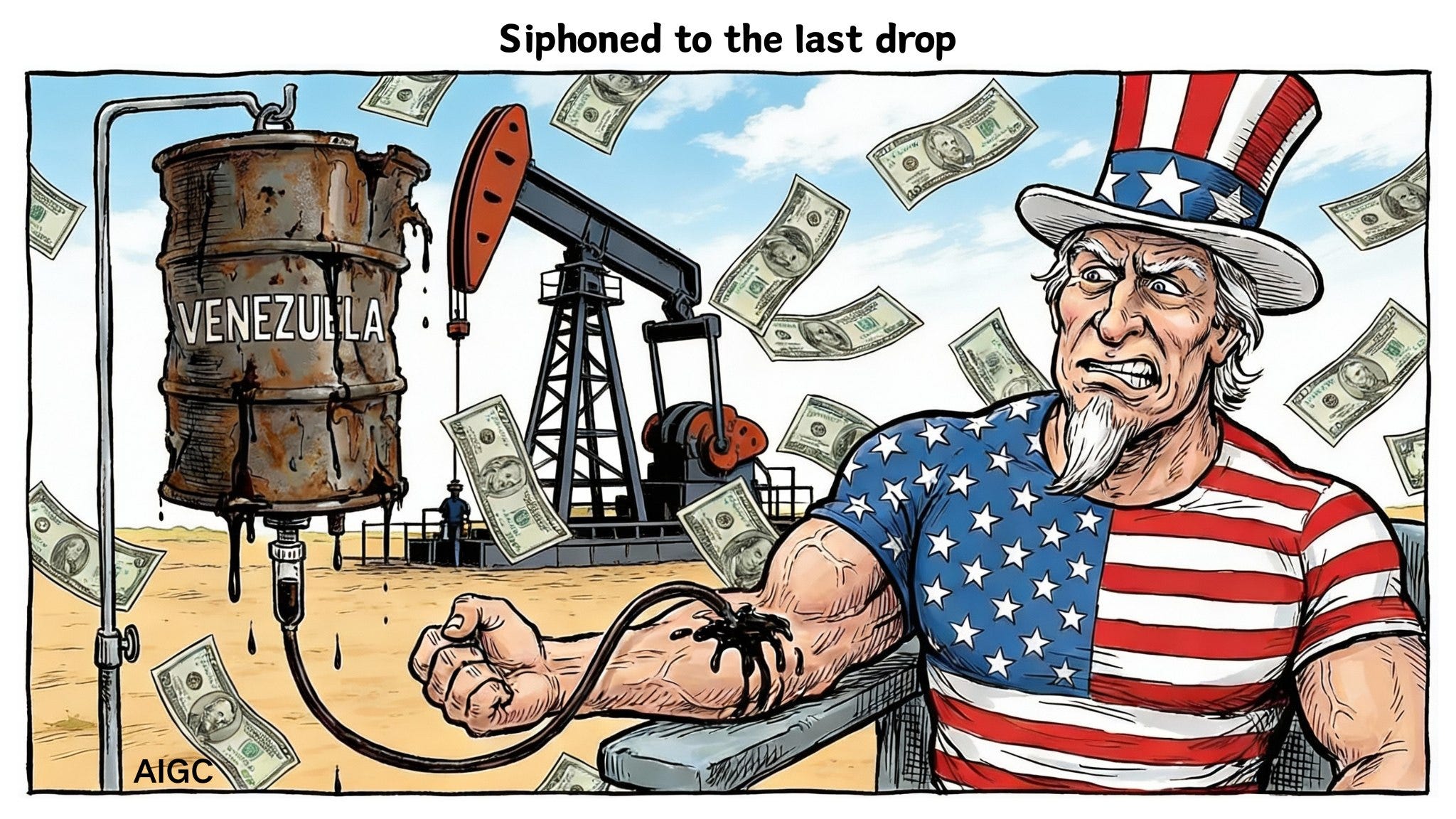
My friends, fighting and dying so that big oil, the president and his family can steal more wealth, has nothing to do with being an American. We’re better than we’re showing and need to stop allowing arrogance, violence and greed to replace our sacred national values. There is no longer law, that represents that everyone is equal before it. There are no longer checks and balances as President James Madison designed for our style of government. Mafioso wannabes with a cruel streak a mile wide, supported by sycophants instead of experts, will kill us all, if we don’t put a stop to it. The bottom-line, is that we are in serious danger at home and abroad and no one in this government is coming to the rescue. Like 1775, we all must be minutemen and women and rise to the challenge of defending ourselves, our nation and our style of government, ethics included.
Cheers for your weekend,
Paul
Paul,
In perusing this primal scream purportedly representing serious and thoughtful research and analysis, this unbiased reader, after deleting the voluminous tirades of vituperative and slanderous prose, determined that the apparent major premise of this piece was the unfounded assertion that the President of the United States has acted in an unconstitutional manner in ordering the US military to begin combat operations against the Islamic Republic of Iran. The article later states that if declaring this war to be unconstitutional is in error then readers are invited to correct it where it has erred. In the interest of serious and thoughtful dialogue, I will proceed to offer facts in evidence to indicate that the current use of US military power is indeed a constitutional use of Presidential Executive authority.
However, before proceeding, I will gladly acknowledge that this article is correct in its assertion that the United States Congress has the power to declare war under Article I, Section 8 of the Constitution. From the ratification of the Constitution in 1788 until 2021 (the last date for which I have documented factual evidence) the Congress has issued eleven declarations of war on five separate occasions. These are:
18 June 1812 – The United Kingdom of Great Britain and Ireland
13 May 1846 – Mexico
25 April 1898 – Spain
6 April 1917 – Germany and 7 December 1917 – Austria-Hungary
8 December 1941 – Japan; 11 December 1941 – Germany and Italy; 5 June 1942 – Bulgaria, Hungary, and Romania
It must also be pointed out that the President, under Article II, Section 2 of the United States Constitution is the Commander in Chief of the US military with authorities that are operational, immediate, and independent. Just as the Congress does not need Presidential permission, for example, to issue Letters of Marque and Reprisal (Article I, Section 8, Clause 11) neither does the President need the permission of Congress in the form of a declaration of war to act militarily to defend American interests. Indeed, in this same time frame of 1788 to 2021 Presidents of the United States have deployed US military forces in at least 456 combat operations. Among the more significant of these deployments are:
1798-1800: President John Adams and the Quasi War with France
1801-1805: President Thomas Jefferson and the First Barbary Pirates War
1914-1917: President Woodrow Wilson ordering the US Army to invade Mexico
1950-1953: President Harry Truman engaging in a “police action” in Korea
1964-1973: President Lyndon Johnson initiating combat operations in Vietnam
1993-1999: President Bill Clinton ordering US combat operations in Bosnia
2011: President Barrack Obama ordering military operations against Libya
Thus, based on the historical record and established precedent, President Trump has acted well within his constitutional authorities in taking military action against the Islamic Republic of Iran. To insist otherwise would require acknowledging that Presidents Adams, Jefferson, Wilson, Truman, Johnson, Clinton, Obama, and many others as well have all acted in an unconstitutional manner.
In addition to this historical record, there is also Legislative statute: The Third Congress of the United States passed on Feb. 28, 1795, “An act to provide for calling forth the militia to execute the laws of the Union, suppress insurrections, and repel invasions …” which was subsequently signed by President George Washington. The act states that “… whenever the United States shall be invaded, or be in imminent danger of invasion from any foreign nation or Indian tribe, it shall be lawful for the President of the United States to call forth such number of the militia of the state, or states, most convenient to the place of danger, or scene of action, as he may judge necessary to repel such invasion, and to issue his orders for that purpose, to such officer or officers of the militia, as he shall think proper …”
The constitutionality of this act was affirmed by the United States Supreme Court in the case of Martin v. Mott [25 U.S. 19 (1827)]. The case involved Jacob E. Mott, a member of the New York militia, who refused to enter service when called upon by the President during the War of 1812. Mott was fined by a Court Martial for his failure to comply, and his goods were seized to collect the fine. Mott appealed this decision and the case eventually came before the Supreme Court which held that the President had the exclusive authority to decide whether the exigency for calling forth the militia had arisen and that his decision was conclusive upon all other persons.
In reaching this conclusion the Court reasoned that the power to call forth the militia was a high and delicate authority given to the President by Congress under the Act of 1795 as noted above. The Court found that military decisions in times of emergency required prompt and unhesitating obedience, and allowing subordinate officers or militia members to question the President’s judgment would undermine military discipline and efficiency. The Court further stated that the President, as Commander in Chief, was naturally vested with the discretion to determine when such exigencies arose, and his judgment in such matters must be seen as conclusive to avoid jeopardizing public interests. The Court also noted that the requirement for the President to be the sole judge of the exigency was implicit both in the statute and the Constitution, and that any potential abuse of power was checked by the constitutional framework, including elections and accountability to the public.
Thus, in conclusion, based on the United States Constitution, historical precedent, Congressional statute and Supreme Court ruling, President Trump is well within his constitutional authorities to employ military force against the Islamic Republic of Iran.
V/R
Doc B
SOURCES:
https://www.congress.gov/crs_external_products/R/PDF/R42738/R42738.33.pdf
https://tile.loc.gov/storage-services/service/rbc/rbpe/rbpe22/rbpe222/22201300/22201300.pdf
https://www.studicata.com/case-briefs/case/martin-v-mott
https://tile.loc.gov/storage-services/service/ll/usrep/usrep025/usrep025019/usrep025019.pdf