

Dear TAT readers,
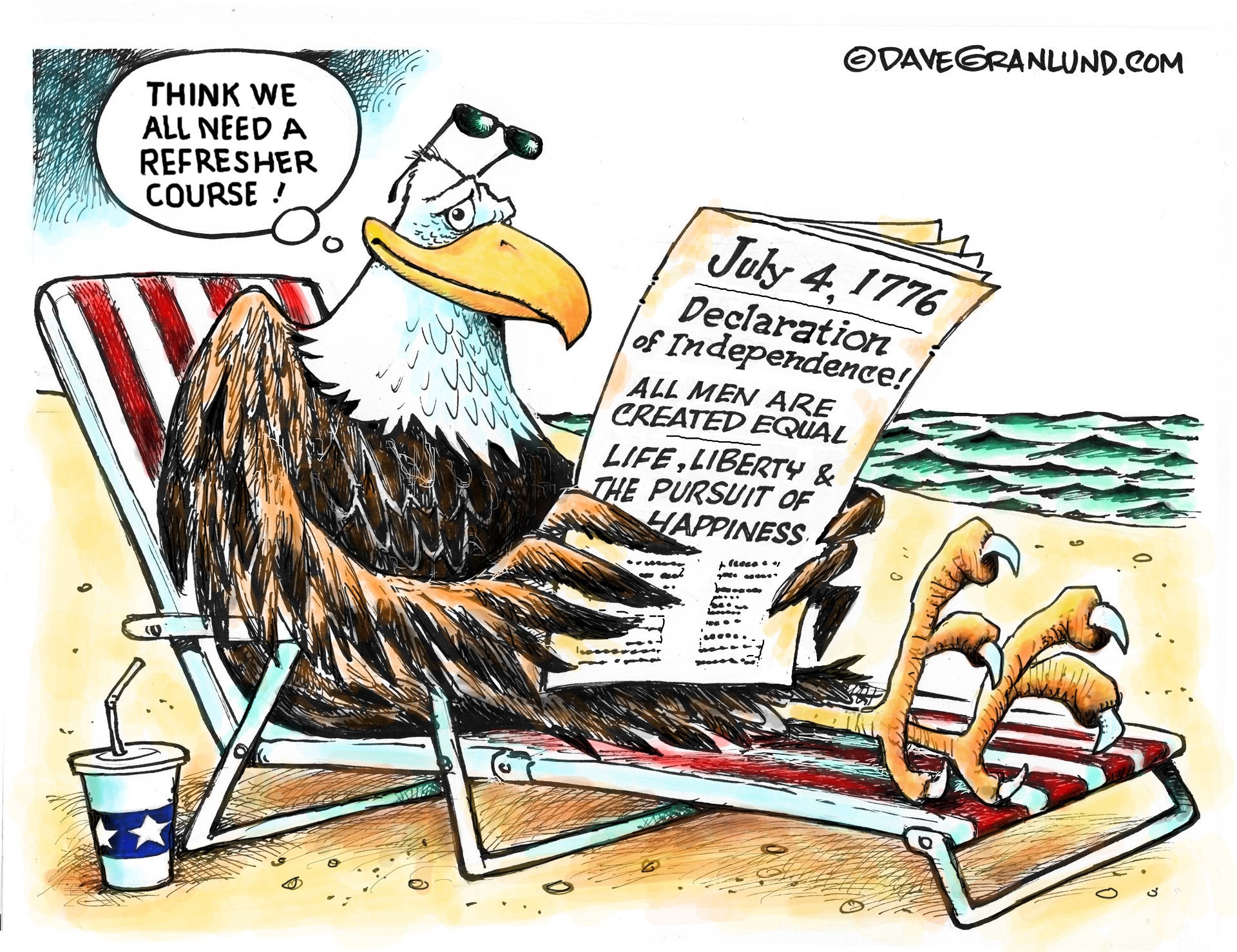
Today I want to share some historical knowledge about the Fourth of July, offering a short history lesson that explains why we resist oppression and tyranny with such righteous anger. I suspect many don’t know all of today’s historical stories. All I can say is that all of them inspire me and I hope they will do the same for all of you. As I noted in my last essay about why I refuse to celebrate the buffoonish administration’s version of this auspicious holiday, I’m a true believer in our system of government, not for partisanship, but because I believe deeply in our founding principles, mangled so heinously by the current SCOTUS and of course, the administration dismantling our republic. One of today’s stories about the fourth, seems almost mystically preordained by the very “creator,” spoken of by Jefferson in our founding declaration.
Longtime readers know that I have a deep love of history and especially regarding our founders, their courage and their brilliant progressive (for the time) ideals that populate our constitution and its later amendments. Although I have an undergrad degree in history and that I absorbed so much personal mentoring by my history and government teacher father, I don’t consider myself a true historian, so much as a well-informed and devoted student of history. Today I will share a couple of our Fourth of July stories that demonstrate how central that this date is to how we identify ourselves as Americans. I hope you will find this interesting and helpful in your resistance to the tyranny of the ruling Republican Party’s descent into fascism, autocracy, dictatorship etc. The truth is, this administration fits into many such categories, so please feel free to just insert the word of your choice.
Onward
Introduction
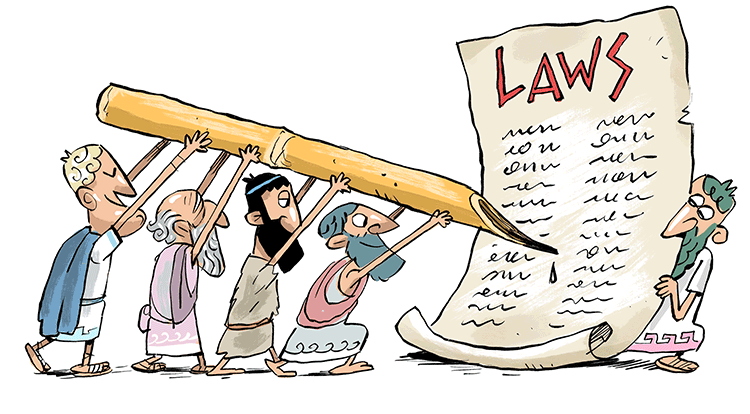
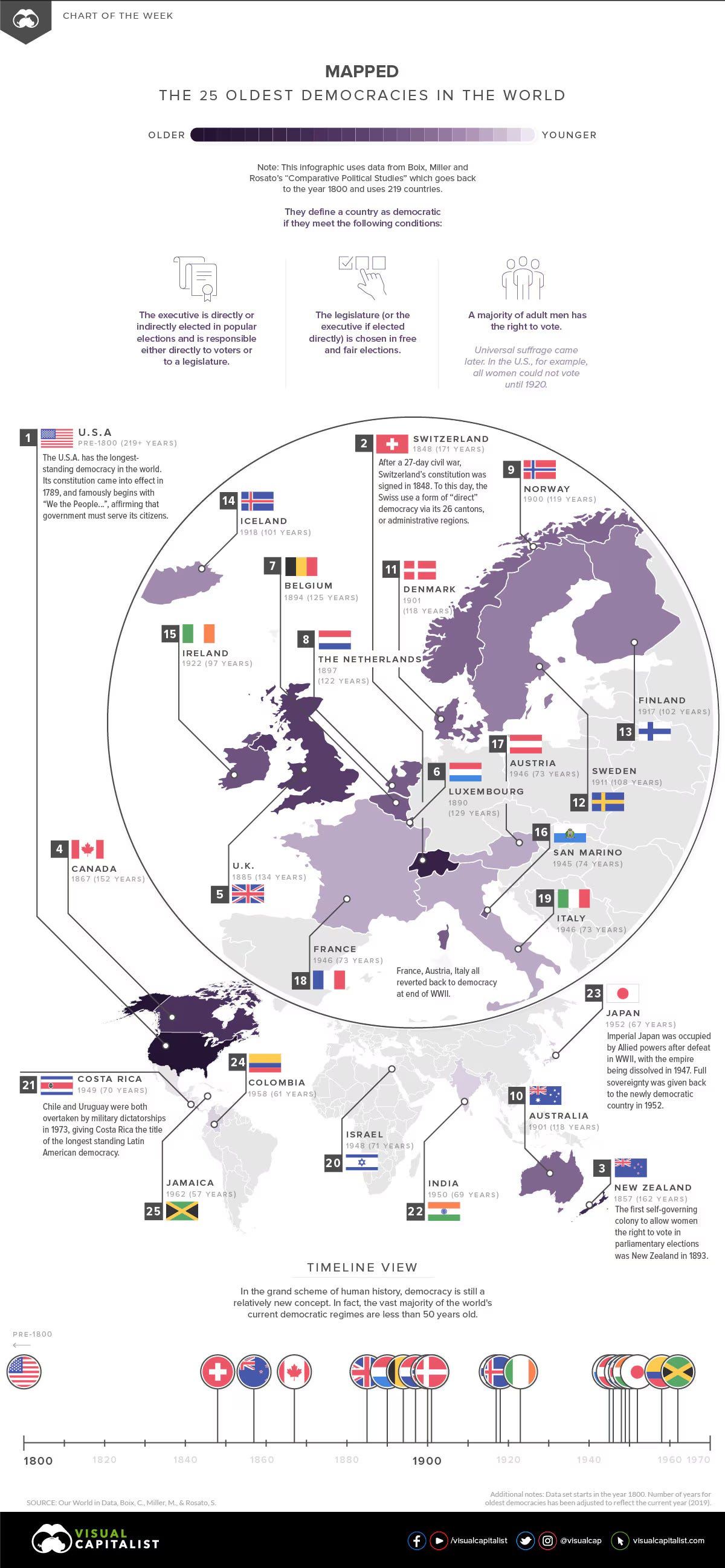
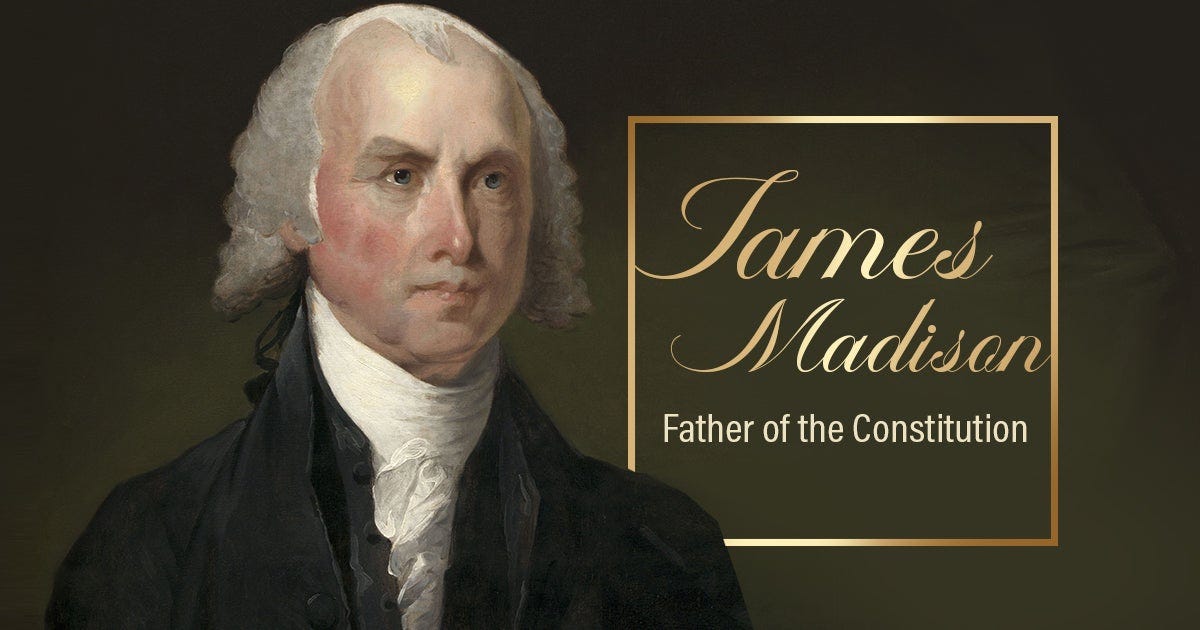
It would acutely disrespectful not to first acknowledge that the signing of our Declaration of Independence was arguably, the first official step in becoming the world’s longest surviving constitutional republic. That doesn’t mean that there were not other forms of democracy prior, such as Greece and Rome during ancient periods. It is no coincidence that the “father of our constitution,” and fourth president, James Madison intensely studied such forms from ancient Greece forward. He did so for primarily one reason and that was to find out both both the benefits and detriments to the idea of what was often labeled, “republicanism,” in the colonial era. First, a couple of basics about the founding of our system of governance.
Madison, recognized as an elite scholar on politics and representative government, prepared for the convention to ratify our constitution by analyzing similar representative governments from ancient Greece until the colonial era. His “Notes on Ancient and Modern Confederacies” became the written version of his analysis and can still be read today in the Library of Congress. He paid to print his analysis in a handful of remarkable little books of 39 pages, printed to fit into the pocket of his fellow delegates for the purpose of discussion and debate at the convention. His stamp more than any other scholar, is on our constitution.
"Winston Churchill once said that a man has to choose whether to nail his life to the cross of thought or the cross of action. But Churchill managed to do both and to do them well, although it is surely the case that we remember him more for his statesmanship. Like Churchill, James Madison was both a statesman and a scholar, as William Pierce of Georgia noted in his character sketch of “Mr. Maddison” at the Constitutional Convention. Americans are more aware of Madison as the fourth President of the United States than they are of his scholarly writings. I think, though, that it was in the realm of ideas rather than practical political jockeying that Madison most excelled and found his vocation. He was a good but, honestly, not great politician. While he had a
natural aptitude for legislative committee work, he was a poor orator. He was,
however, an exceptional scholar of politics and political philosophy and, in
particular, a brilliant pioneer in the study of republican government in the
modern world. The following pages are meant to acquaint readers and citizens with Madison’s discoveries and groundbreaking ideas as he engaged in a study of ancient and modern republicanism. Readers are also invited to experience with Madison the excitement he felt when he believed he had discovered the republic “for which philosophy has been searching, and humanity been sighing, from the most remote ages.”1.”

- The Mind of James Madison: The Legacy of Classical Republicanism
- Cambridge University Press, 978-1-107-02947-7
- Colleen A. Sheehan
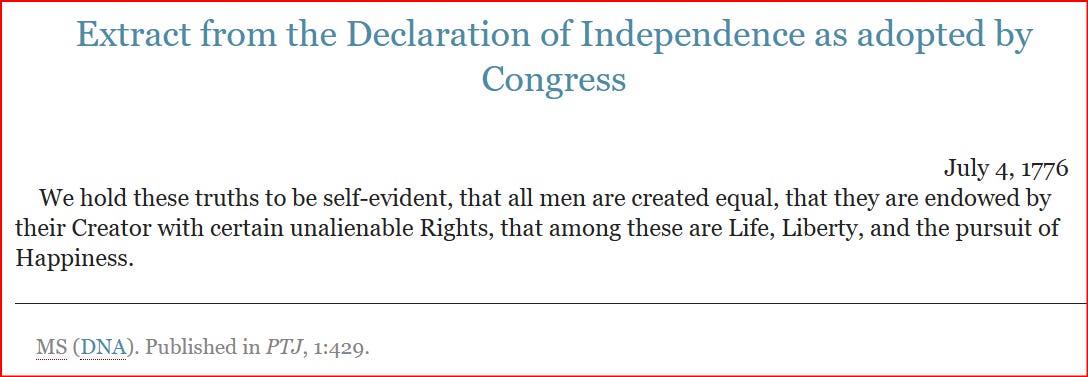
Without our founders’ deep legal scholarship and progressive political philosophy of the Scottish Enlightenment, championed by Thomas Jefferson, James Madison and their esteemed colleagues in the Committee of Five, our Declaration of Independence could have foretold a very different opening act for America. Our Declaration of Independence outlines our political philosophy and our constitution, codifies the application of that philosophy.
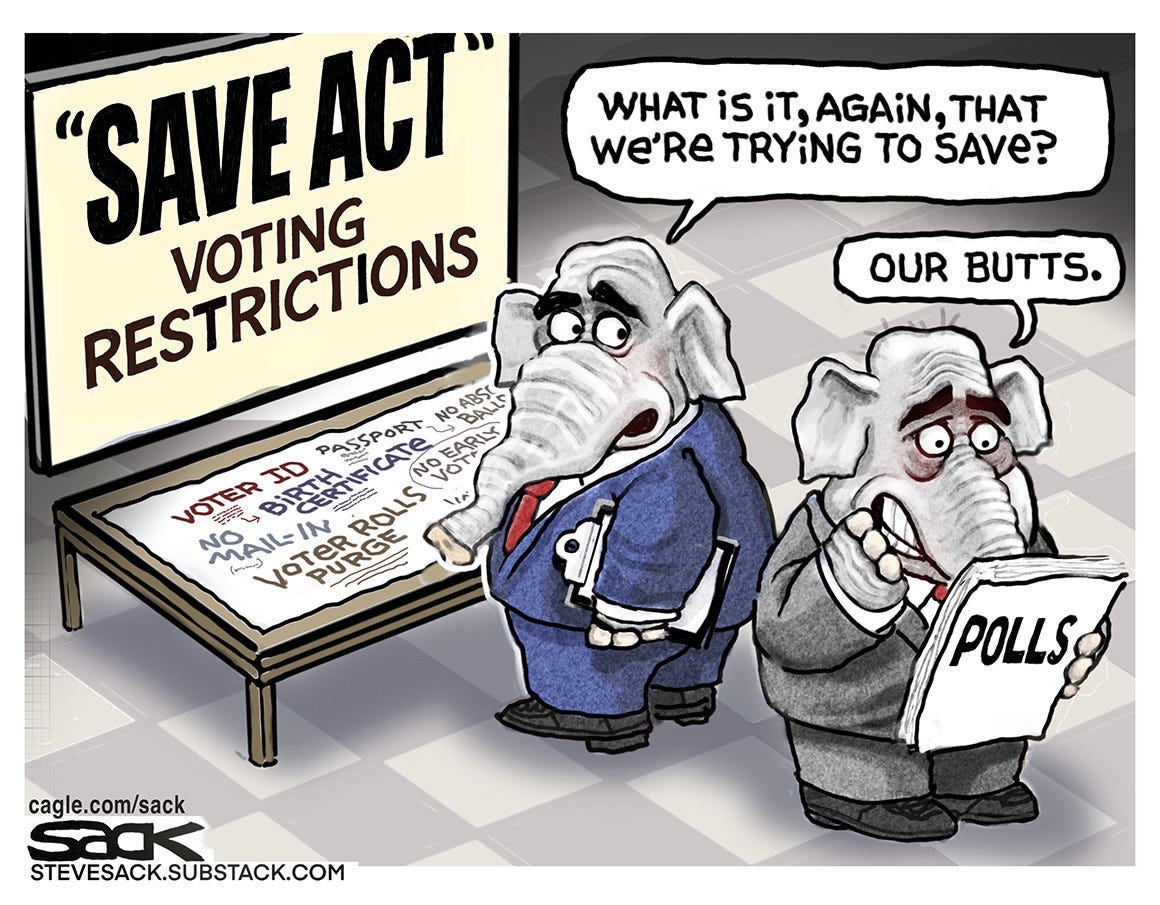
Now, finally to the stories I promised. You will find in each, a deep and passionate love of our fledgling government, the courage to breath life into it and through the past 250 years, the willingness of all Americans, to defend it. Each story informs us of just who we are as Americans, be it the structure of the republic or in the philosophy of our founders. In our Bill of Rights, the first 10 Amendments to our constitution, and especially within the legal parameters of our First Amendment, we now have a clear lens to see how many of our constitutionally guaranteed freedoms are being slaughtered by the administration and an aberrant, corrupt and shameless Supreme Court. I take a great deal of comfort in and acquire all the resilience I require to defend what over 1.3 million Americans died defending, from what we celebrate during our upcoming holiday. All I have known throughout my life, especially from my Midwestern roots, have been equally inspired… until the Trump/ MAGA GOP era. It’s up to us to set this right.

Our first celebration of the Fourth
Massachusetts, gave us our first day to celebrate, exactly two years prior to the signing of the Declaration. In Worcester, Ma, some of our earliest and most fervent patriots declared on July 4th, 1774 that their political club would establish rules regarding the arming of patriots and their readiness to fight Britain, should the relationship between the colonies and Britain come to war. This set off similar requirements across Massachusetts and not a minute too soon. Nine months later and only a little over 40 miles NW of Worcester, Britain marched on Lexington and Concord on April 19th, 1775, where the “shot heard round the world” was fired on a small bridge on the edge of Lexington at the advancing 7-8 hundred advancing British troops. The war that followed changed US and global history forever.
"On July 4, 1774, exactly two years before the United States declared independence, a patriotic club in Worcester, Massachusetts, decided that each member should have in the ready two pounds of gunpowder and twelve flints. With the Massachusetts Government Act, Parliament had just revoked key provisions of the colony’s provincial charter (like a constitution), and the people of Worcester vowed they were ready to fight to protect their political rights. Two months later 4,622 militiamen—half the adult population of this rural county—rode or walked for as many as fifty miles to gather along Worcester’s Main Street and shut down the governmental machinery at the local level. The show of force was so overwhelming that the British military commander in Boston did not dare send in his troops.

Similar events were staged in other county seats. In Plymouth, some 4,000 patriots were so excited after they closed down the court that they tried to move Plymouth Rock up to the courthouse, but that proved more difficult than unseating government officials. So ended British rule in all of Massachusetts outside of Boston. Then on October 4, 1774, twenty-one months before the Declaration of Independence, the people of Worcester said it was time to start a new government from scratch. The revolution had begun."

- The War for Independence
- Gilder Lehrman Institute (GLI) of American History
- by Ray Raphael
The near mystical story of John Adams and Thomas Jefferson
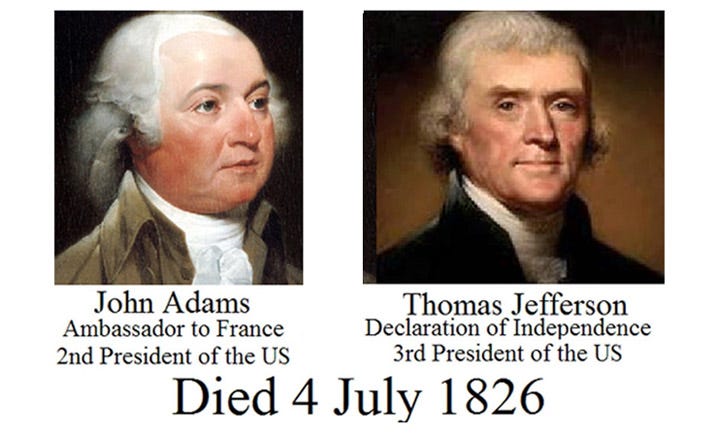
Adams and Jefferson had been at the core of our fight for independence from the very beginning of the colonies’ fervor for independence. Both were deeply educated in the classics and the law, men of note within their own circles and ardently convinced that we had reached the point that independence from Britain was the only way forward for the colonies. Having met in the Continental Congress in 1775, they became fast friends and co-conspirators in every aspect of the soon to occur war with Britain. In most reading, it is understood that Adams was the one who selected Jefferson to be the primary drafter of the Declaration of Independence.
They had experienced every bit of our pursuit of independence together, whether at home or during the long times they spent abroad as US Ambassadors to England and France. Post war, Washington served two terms as our first president with Adams following him for one term until the onset of the election of 1800. It is often termed the “dirtiest election” in US history. Adams and Jefferson battled for the White House for a second time. Jefferson won the election but the damage was done. They lost each other as best friends over the vitriol in the campaign and over political appointments made by Adams before leaving office. They would not speak for another 12 years.
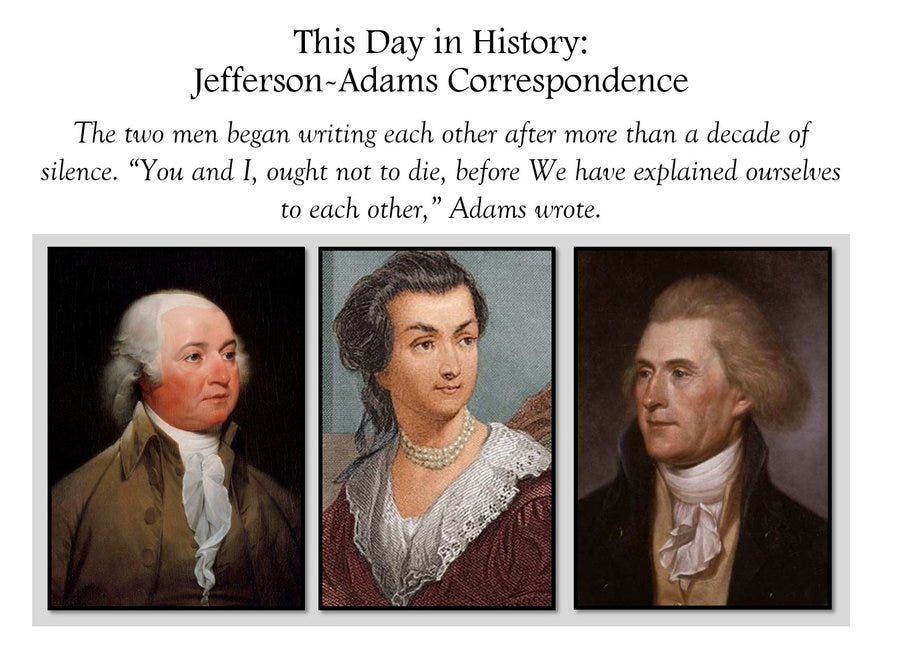
Another prominent founder, Dr. Benjamin Rush and a friend to both Adams and Jefferson, felt that after Jefferson left office after a second term, that it had been far too long for these dear friends who’d traveled the long and arduous road to independence together, to no longer speak or write. It took the good Doctor well over a year to manage a rekindling of their dearly missed and mourned correspondence. That correspondence reignited the deep and abiding friendship they’d shared through thick and thin. They would go on to correspond regularly until the day they died, and this is the pseudo mystical part. They both died within hours of each other on the Fourth of July, 1826, exactly fifty years to the day, since the signing of the Declaration of Independence.
"The news of Adams’s death reached Boston by the end of the day. The Columbian Centinel (Boston, MA) was aligned with Federalist sentiment in the Federalist Era and used mourning bars, large dark lines to signify mourning for former president Adams in its July 8, 1826 edition. Mourning bars have been used by newspaper publishers as early as the 17th century to communicate to readers that someone has died. According to newspaper reports, Adams’s last words were, “Jefferson still lives.” In the course of a few days, news of Jefferson’s death arrived from Virginia and the next issue of the Columbian Sentinel included the headline, “Another GREAT MAN is No More! and our columns again are shrowed in respectful mourning.”

- Deaths of John Adams and Thomas Jefferson on July 4th
- Library of Congress
- Amber Paranick
- July 6th, 2022
President James Monroe follows Adams and Jefferson, dying on July 4th, 1831
Three of our founders who became president died on the fourth of July. President Monroe, now 73 and long reported ill, passed away at his son-in-law’s home in NYC, five years to the day after Adams and Jefferson.
Finally, the miracle of July 4th, 1863
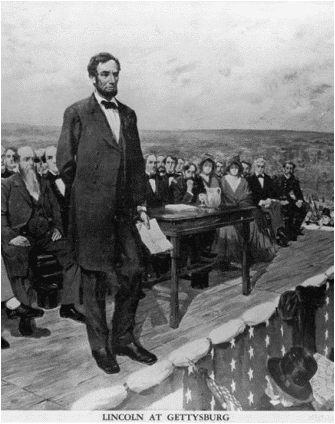
It was the middle of our Civil War, things had been going poorly for the Union Army and Robert E. Lee had again ventured north of the Mason-Dixon line again and were rummaging through southeastern Pennsylvania for supplies, harassing Union political activities and looking to defeat the Army of the Potomac in a large, decisive battle. Both armies met at Gettysburg and from July 1st through July 4th were engaged in the largest battle of the war. President Lincoln, deeply concerned over Union leadership had already fired four commanding generals before handing command to Meade, three days before Gettysburg. As the news began filtering into Washington about the battle, Lincoln sat in the Telegraph Office along with senior staff and some cabinet members, hoping against previous experiences, that they would finally achieve a decisive major victory over Confederate forces, which would have been a first for the Union at this stage of the war.
Casualties were mounting, he had deep anxiety regarding his senior military leadership and as if things couldn’t get worse, the First Lady, Mary Todd Lincoln, was involved in a carriage accident the second day of the battle. The carriage she had been riding in had been sabotaged and was seen as an assassination attempt on the President, who’d been in the carriage earlier. Lincoln suffered his whole life from depression and the way the war was going, was concerned that Gettysburg would fail to give him the decisive win over Robert E. Lee he needed militarily and politically. If only he could have known that by the end of the 4th of July, his luck would reverse itself in an extraordinary way.
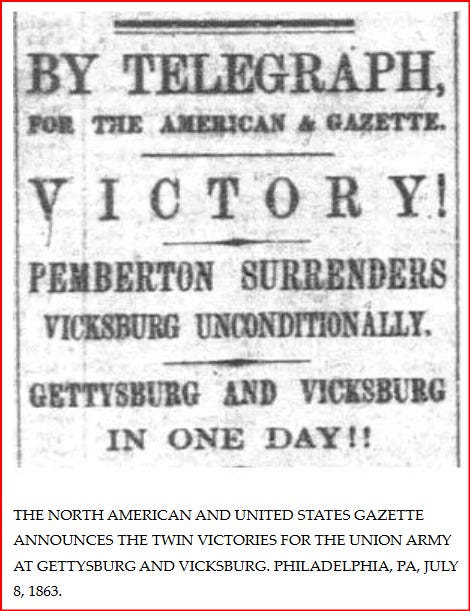
By the end of the day promising news was beginning to trickle in over the telegraph wires and hinting at a Union victory. By the morning of the 4th, he knew for sure that he finally had his big, decisive win over Lee. As it turns out, this wasn’t the only big news of the day. Grant, who Lincoln would make the commander of all Union Forces in a few more weeks, added another major victory at Vicksburg on the Mississippi river. July fourth, 1863 would be the turning point of the war. Despite another nearly two years of war, the Southern war effort had peaked and would never recover as a peer threat to Union forces.
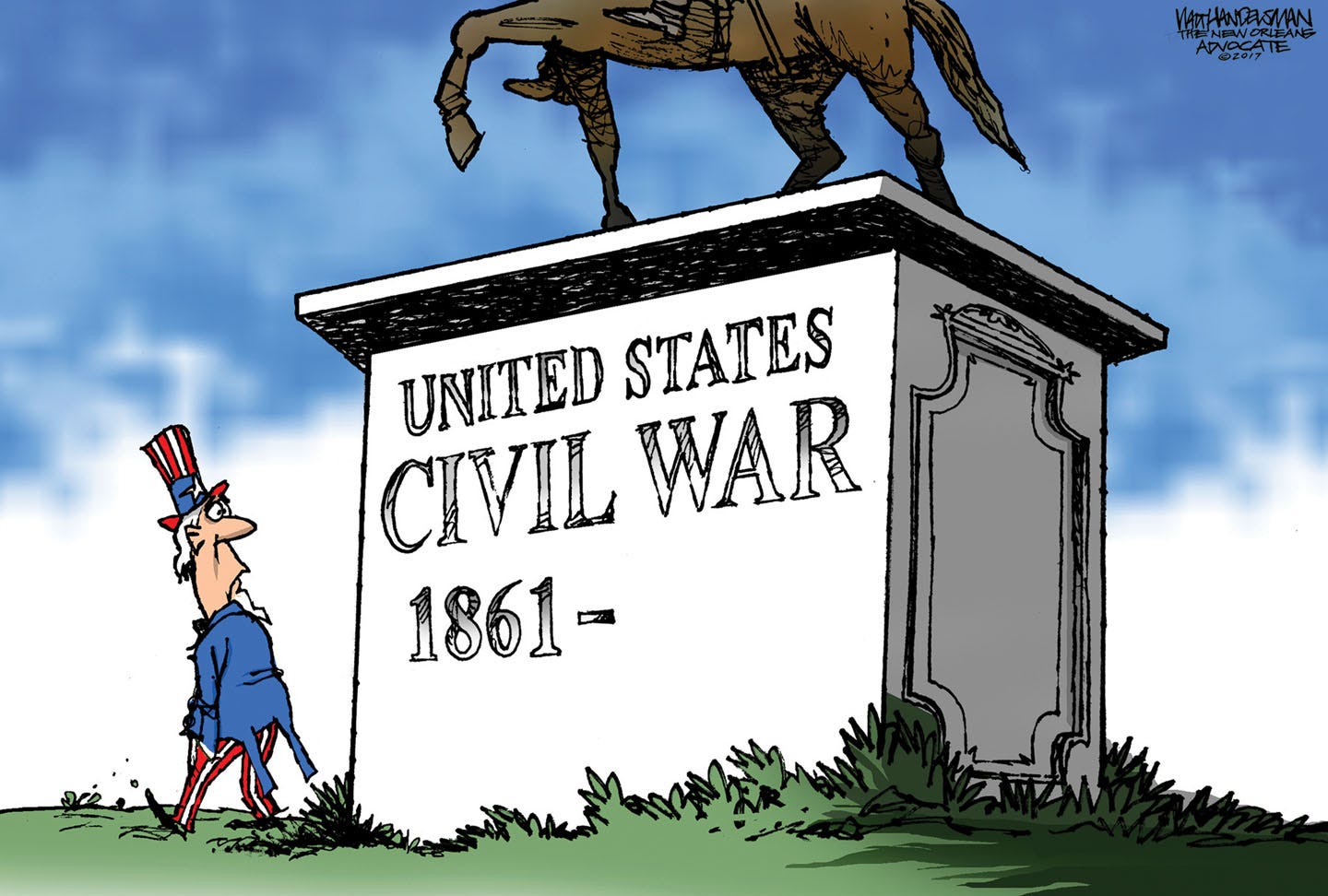
Okay, that’s enough history for one essay and unless you’re as passionate about it as I am, it may feel a bit like an old history class from high school or undergrad studies. For me, it is not the names and dates but the people in our history that inspires me. Like our founders, we live in dangerous times. To win our freedom, we took on an oppressive king, much as we must do now with the current administration and their corrupt and anti-American political party. During the Civil War, we fought the Confederacy who espoused very similar ideology to what today’s Republicans spew. White Christian Nationalism, the oligarchy of the cotton and slave trade and who could see the Civil War as anything but political violence against our republic. MAGA is nothing new. It’s the same ole’ racism, greed and political violence we saw during the Civil War. The only difference today is that it is all of us that are intended to become slaves to modern oligarchy.
As I wrote last week regarding Trump’s obscene America 250 party, I will not celebrate the treasonous Republican way. I will celebrate those who forged a powerful nation, originally intended to further the liberty and rights of the masses. I will honor the men and women who had not only the vision, but the courage to breathe life into our fledgling nation, built on the premise of honoring everyone’s “inalienable human rights.” Words can be magical and when I read our history, I may mourn our historical errors like slavery and the genocide of our indigenous tribes but, will hold that pain in one hand while weighing what we’ve contributed to the world in the other.
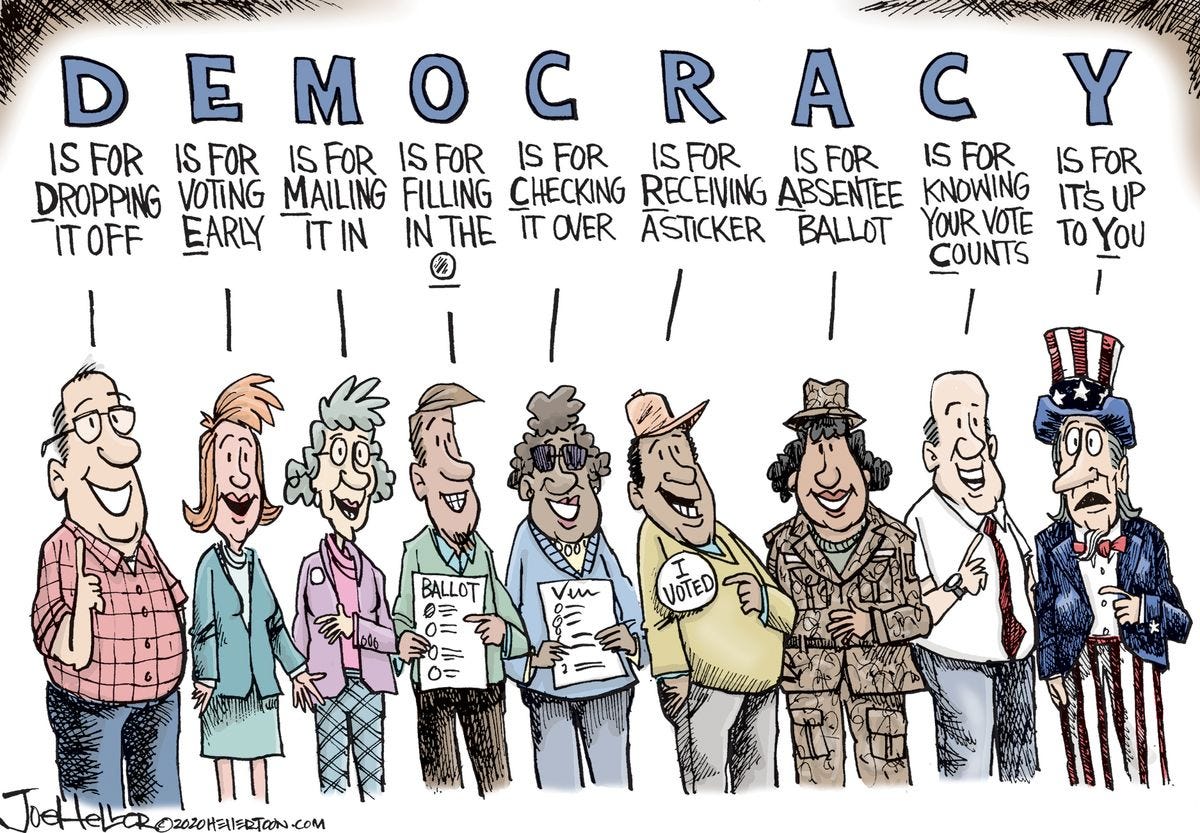
This administration and the GOP have similar intentions for us as the historical pain I hold in one hand. That is not the end of the story though. From the very beginning, the power has been in the hands of we-the-people and there is far more good in America than bad. America can “walk and chew gum at the same time though.” We can address our past errors in one hand while reforging the American dream with the other.
Publius Redux
Hi Paul
When you are listing the sources of inspiration for our Declaration of Independence that coalesced in those momentous days of June/July 1776, you need to also give credit to the churches of colonial America for being a well spring of political thought grounded in sound Christian theology. For at least a century preceding the American Revolution the clergy in every denomination debated and discussed what would be the proper form of governance for a free people. The sermons that have survived from those decades make fascinating reading from both a theological and a political science perspective.
I might take a minor exception to your emphasis on the importance of Gettysburg. US Grant's victory at Vicksburg had far more significant strategic importance to the course of the Civil War and the preservation of our Union than George Meade's blocking action in Pennsylvania. This sounds like a good topic for discussion over breakfast sometime.
V/R
Doc B
This is an excellent essay, Paul, as only you can write it! A great refresher on keeping the democratic republic we founded a quarter millennium ago! Keep taking us to school!