

TAT readers,
First, a bit of a prelude to today’s essay. I nearly finished this essay Friday evening in order to offer something from my keyboard, a bit more fun, uplifting and an essay that would have been a bit of fun for your weekend. Mother nature here in San Antonio had other ideas. Like tens of thousands of my fellow San Antonians, I was without power until late Sunday afternoon, therefore nixing my writing. As expected, Texas August weather provided the one hundred degree heat as my chainsaw and I removed down sections of trees for a couple of days. Somehow being 70 makes this a little less enjoyable than in years past, but the exercise was both needed and welcome. There’s still much to do, but power, AC and a little rest have rejuvenated my fingers and now they once again, are busy typing something that I think is valuable for those of us resisting the tyranny of the administration and GOP. American resistance has always included music dating back to prior our War for Independence from Britain. I hope you’ll both enjoy and ponder the historical role of music in our American spirit.
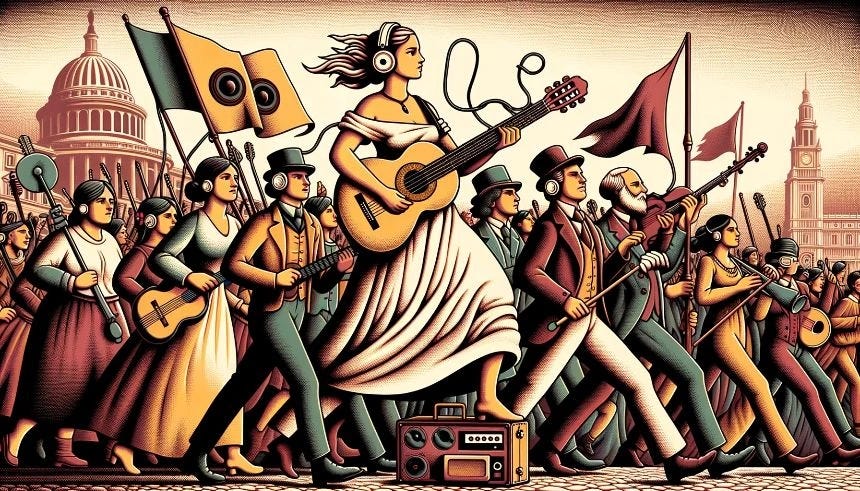
The bottom line… Our resistance requires a song-track. Allow me to offer a few suggestions from both history and my personal experiences growing up in the decade of protest, the 1960 and 70s.
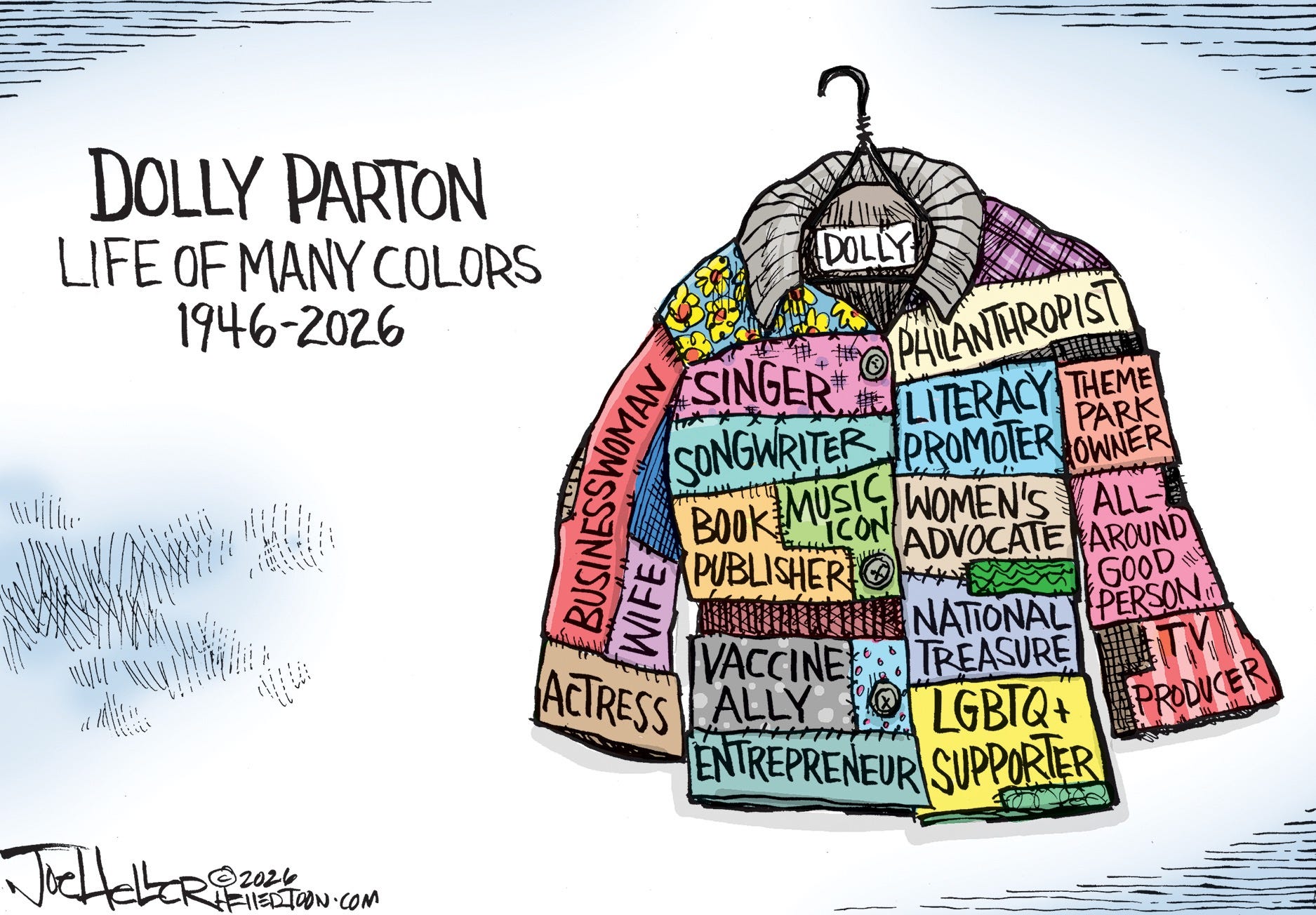
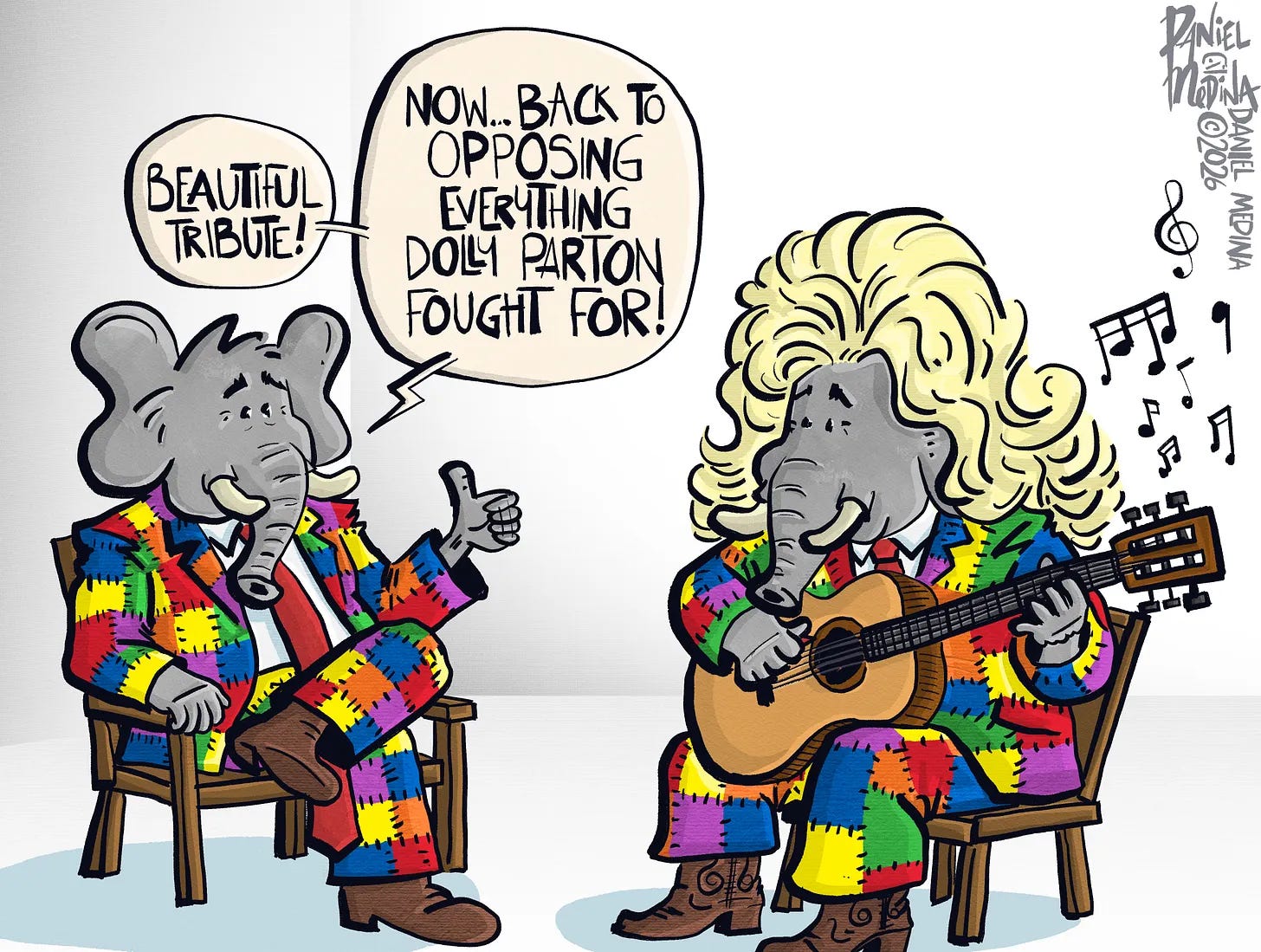
This is an essay I’ve been wanting to write ever since, January 21st, 2025, Inauguration Day. With the passing of an American musical legend, Dolly, I began reflecting on the meaning in so many of her iconic songs and the rest of her catalogue. Delivered in her unique sweet, tough as nails and compassionate style, she mended fences, enabled unity and especially expressed the compassion for all humanity that seems so often lacking in our current times. Although her glittery onstage presence often partially obscured the protest, it was there all along. Dolly cared and her music embodied it. As I read the history of American protest songs, I have reconnected with their uniquely powerful role in sustaining our republic, especially during hard times and calling it out artfully, when our republic deserved it.
In fact, most of Dolly’s work that some might call protest songs, were advocacy for those, who today’s Republicans call DEI. Gender, sexuality, disability, women’s issues, racial issues and corrupt politicians, were not off-limits to Dolly and her humanity, echoed Thomas Jefferson’s iconic American, words, “that all men were created equal.” Dolly role modeled this, because it was not only who she was, but who she was expressing the true values of our nation.
This essay though is not just about our Dolly, but a look at some of those classic songs that have buoyed the American spirit of liberty, dating to our War for Independence from Britain. Okay, I admittedly have very diverse interests in music and also grew up in the Midwest, where it was not uncommon to hear someone on the street, feed store or supermarket, humming or lowly singing a protest song or two. Admittedly during my youth, neither I nor my friends fully understood the full context of the protest, but the music and the issues did embed deep between our ears, hanging on for future use. At the time, we mostly just enjoyed the music, although later in life, we grew into the understanding, which led us to have the courage now to resist our current Orwellian despotism.
The incessant assault on our constitutional values by the GOP, was the inspiration for me to find a unifying element to resisting tyranny. Now is a good time to remind ourselves that in the streets, our homes, our earbuds and/ or on stage, music has the power to sway the people to unite and protest in support of our true American values, not the GOP’s fake patriotism. It always has. From my perspective, musical protest stirs my patriotic passions, and since January of 2021, many of my playlists include the music of not just historical protest songs, but pure Americana. A shoutout to Spotify for providing such a rich array of Americana and protest music playlists. Those songs, are a history lesson about what we as Americans will tolerate and what happens when we no longer can, or will. They connect us to who we were before we worshipped oligarchy, cruelty and corruption. I highly recommend this approach, especially right now.
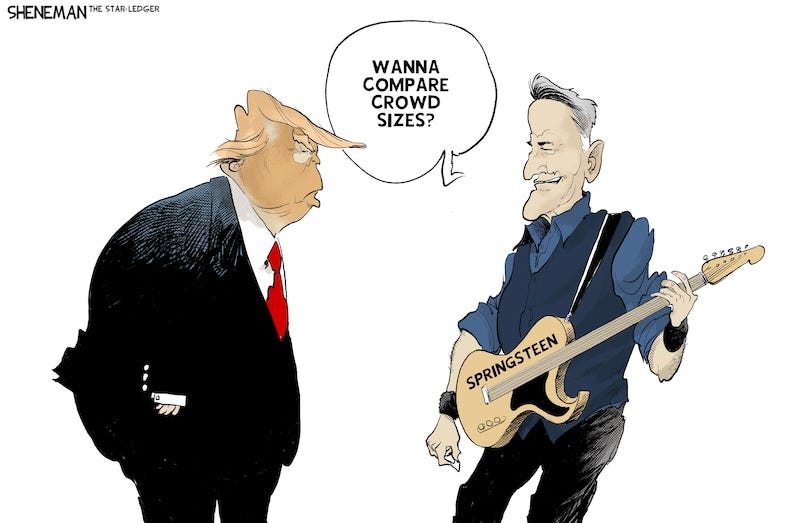
Sadly, with but a few exceptions, many of our biggest music producers who control artists, are keeping their head down and avoiding scrutiny from a vengeful administration. Their bottom line is apparently more important to them than our nation. There are exceptions though, like Bruce Springsteen, Demi Lovato and Fiona Apple, who are among the courageous few top tier stars with their fists raised. Across multiple genres, there are others as well, but nothing like the late 60s and early 70s of my youth, where many of our most successful artists, were supporting “the better angels of our nature.”
In recent history, Springsteen’s anthem to Minnesota’s peaceful resistance against ICE thuggery, was a full broadside. In some ways, Springsteen is a more modern version of the voice of American during hard times, the incomparable Woody Guthrie, whose song “This land is your land,” was a protest anthem that nearly all of us have sung at one time or another. The overwhelming majority of Americans, never even knew that it was a serious protest song about the plight of every American’s equal ownership in America, not just the rich.
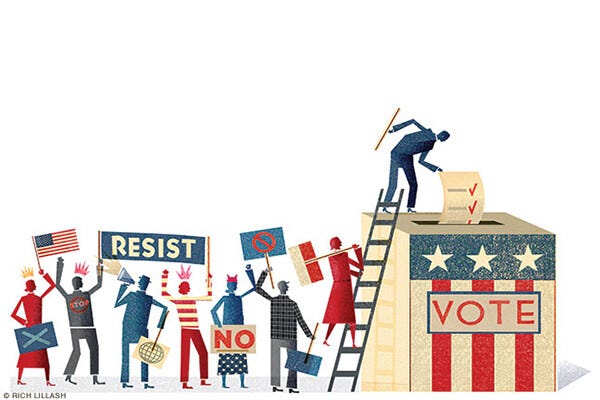
Protest as a right, is embodied in our First Amendment to the constitution, where it guarantees our freedom of speech, freedom of the press, freedom from religion and the right to peacefully assemble and demand redress from our government, for wrongs they commit against us, “we-the-people.” When these rights and others are under threat as they are now, we protest. It’s as American as apple pie. And I might add, when we unify, we’re very good at protest and making ourselves heard in a manner, that changes things.
First Amendment

"Congress shall make no law respecting an establishment of religion, or prohibiting the free exercise thereof; or abridging the freedom of speech, or of the press; or the right of the people peaceably to assemble, and to petition the Government for a redress of grievances."

- Congress.gov
Protest and its music, is the voice of our American spirit frustrated with our government. It’s powerful, compelling and one hundred percent American to protest and to sing about it. As a child of the sixties and early seventies, I experienced the most massive and extended protests in American history. This era began in earnest with the Civil Rights Movement and transitioned seamlessly into the public outcry over the Vietnam War. These protests are relatively modern, but taking to the streets and singing about it predates America as a nation. During the 60s and within the space of five years, three of America’s most inspired leaders were assassinated, JFK, RFK and MLK. There was even a popular song from the era, that spoke precisely of this, Abraham, Martin and John, by an artist named, Dion.
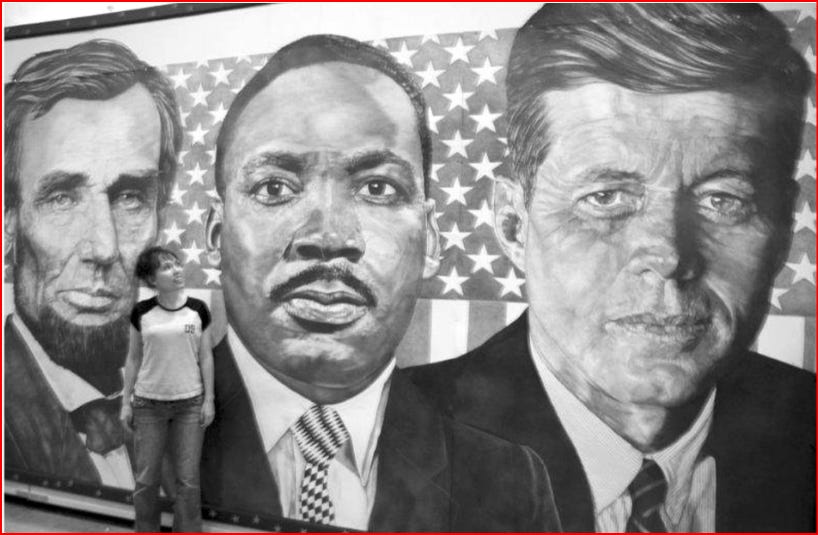
The rest of this essay includes links to some of our historical protest songs and a note or two about why they made this list. Let’s sing protest songs America, and if we do, those historical chords of our history woven into them, will inspire us, unify us around who we are as Americans, and to support us as we reclaim our republic from our current tyrants. Don’t hesitate to click the YouTube links to the songs that follow and ponder them, sing along and share. These artists not only had the courage to speak out, but brought the nation along with them and at a time that it took courage to do so. I would love to see prominent recording artists exercise their creative genius and bring all of us along, just like our iconic predecessors did. In fact, my fantasy is a major combined effort like the 1985 hit, charity single, “We are the World,” that inspired the whole world to work and sing together for famine relief in Africa. Now, Trump, Musk, Vought and the rest of the cruel authoritarians in office, are killing those same people by the hundreds of thousands, via their murderous USAID cuts.
The artists behind protest music throughout history, span the American experience, regardless of the GOP’s insulting DEI labels. America is DEI, me included. There is no other way to describe a nation made up of mostly immigrants? I am using YouTube links when possible, because not everyone uses the same streaming or similar services. This way, everyone has free access despite having to weather the brief annoying ads for free users. I will mix in a Spotify or two as well. No worries though, simply look up the title on your preferred streaming service and sing along, preferably with family, friends and community.
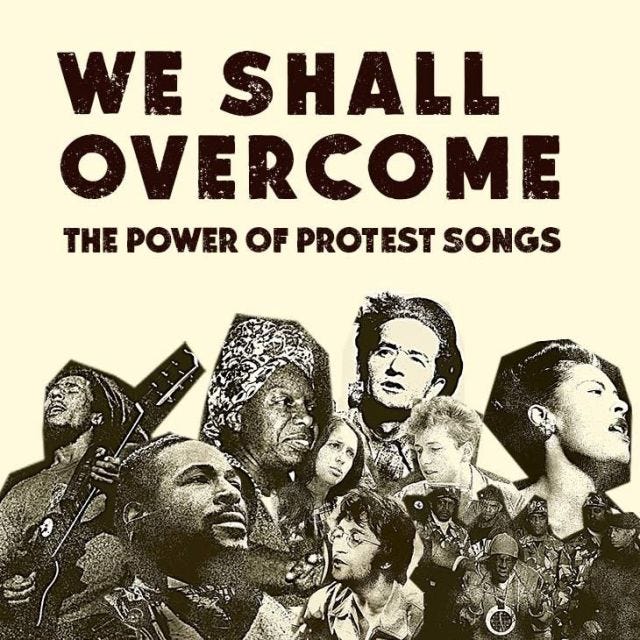
Dolly
Of course I must lead with a Dolly song that is a cover song of the late, great Woody Guthrie, about how Latinos were and are in most cases to this very day, invisible to large parts of US society. The song’s story is of a 1952 plane crash at Los Gatos, where only the names of the white victims of that crash were named in the press. The other 22 on that flight, were only listed as Mexican deportees. The signs of racism and bigotry amongst us, are often most visible in what we omit, rather than what we don’t. Either way, it’s the opposite of, “all men are created equal.”
Woody Guthrie
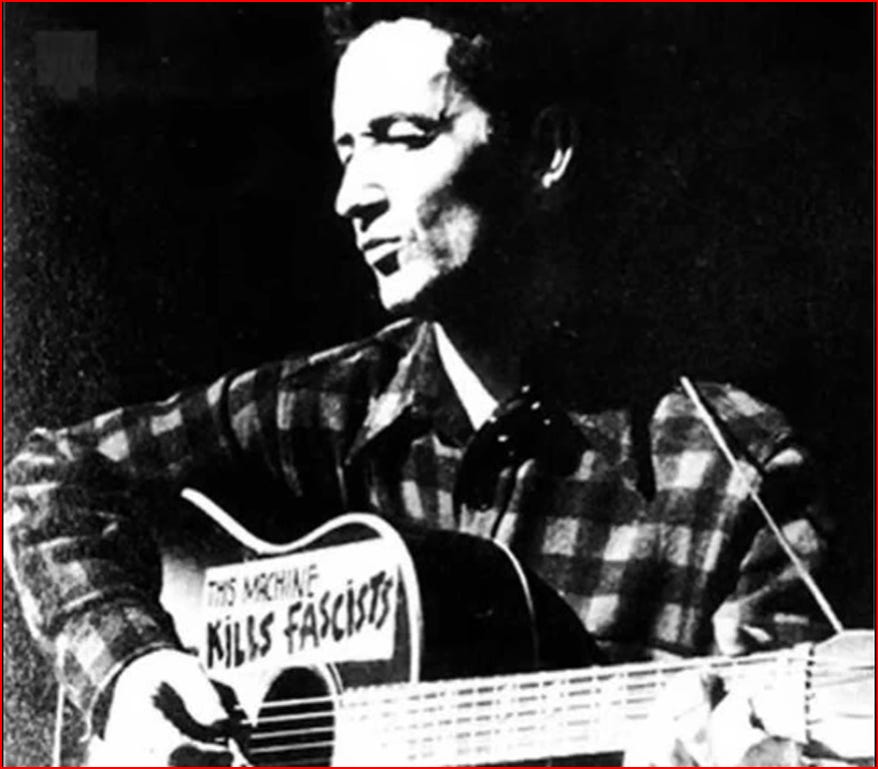
Dolly deserved top billing this week, but for the song that so few Americans knew was an outright protest song, “This Land is Your Land” by Woody Guthrie, one of the most powerful and heard voices during some of America’s darkest years. In many respects and apologizing for oversimplifying my assessment, but I believe during most of his career, Woody was the voice of working and disadvantaged America, and always at the top of or close to it on my personal protest artist list. Note the sticker on his guitar in the photo below.
"Woody Guthrie's populist songs emerged during the Great Depression, reflecting the struggles of the working class in the United States, particularly in the rural South. Born in Oklahoma and raised in Texas, Guthrie's life experiences shaped his music, which resonated with the marginalized and dispossessed, including Dust Bowl migrants and laborers. His songs often addressed social injustices, economic hardship, and the dignity of the common people, embodying the spirit of protest that characterized his era. Guthrie gained recognition through performances on radio and public venues, using his music as a vehicle for class struggle and solidarity among the working class."

- Guthrie's Populist Songs Reflect the Depression-Era United States
- EBSCO
- Authored By: Yearley, Clifton K.
- 2021
Woody Guthrie- This Land Is Your Land
Revolutionary War
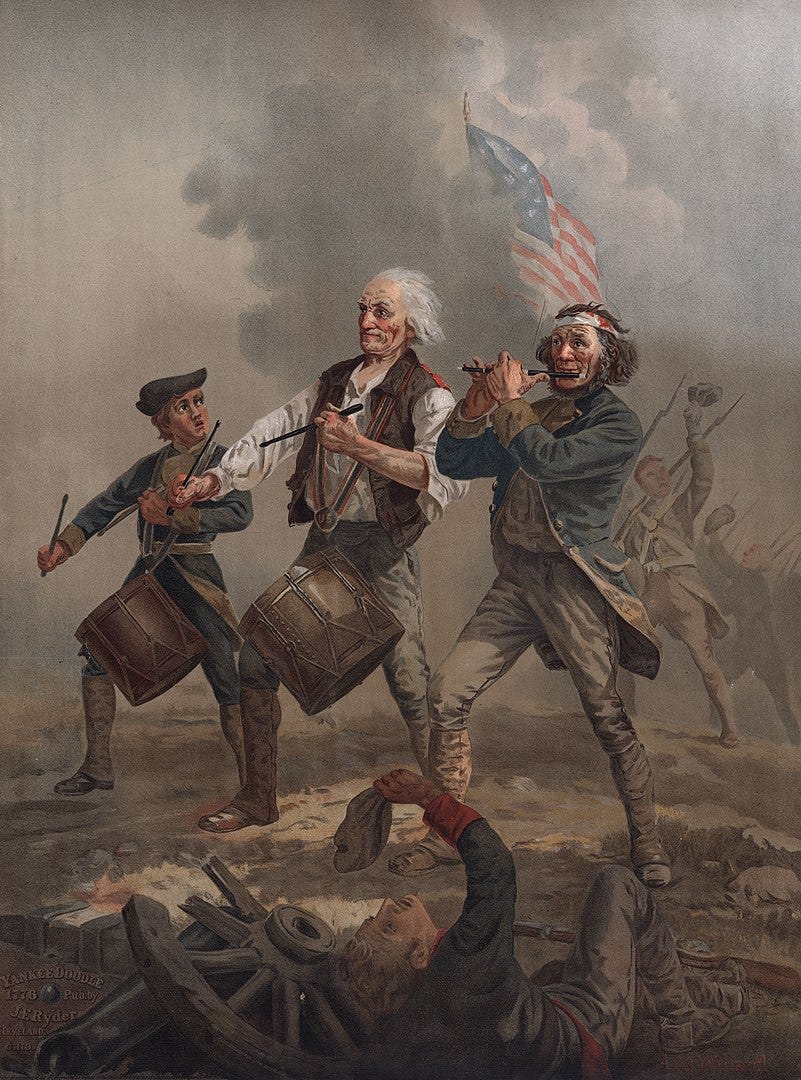
Probably the most legendary song of our war for independence, was Yankee Doodle Dandy, yes, the one most of us sung in elementary school. A British officer penned the song to make fun of colonial troops. Our troops turned the tables on him and adopted the song and sang it as parody, a great morale boost.
The Civil War
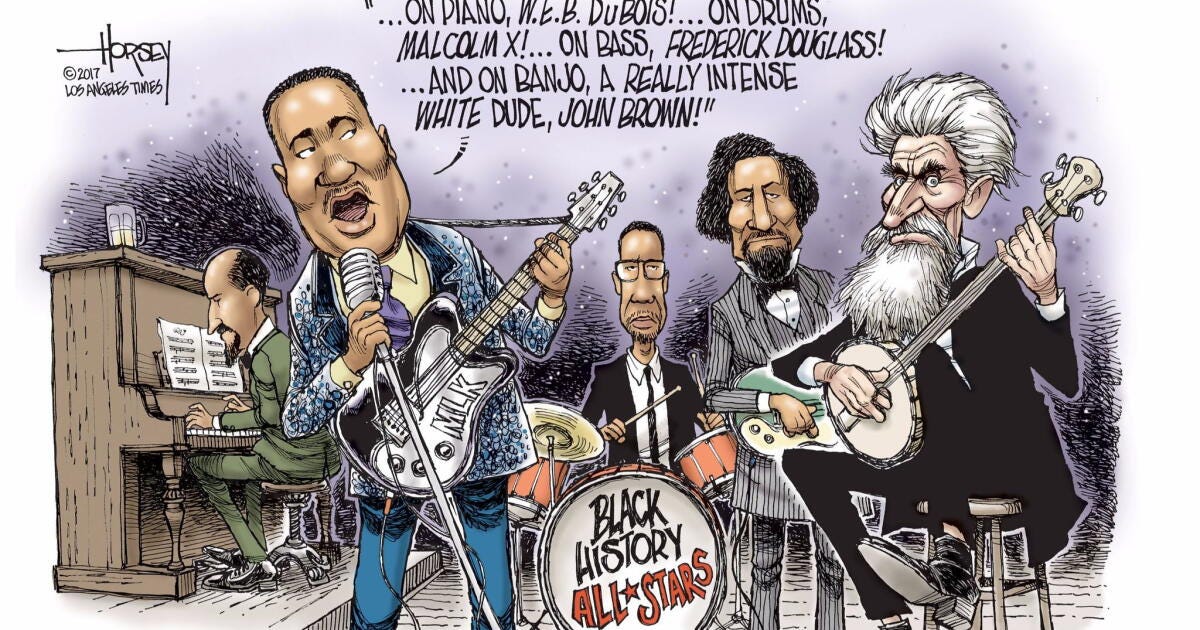
America’s most painful war required music, just to soothe raw nerves, develop cohesion among troops, to provide a drum beat for marching on the battlefield and to rally and sustain troops through the excruciating pain of a four year war on American soil, brother against brother and neighbor vs. neighbor. A particularly popular and inspiring song leading up to and throughout the Civil War, was, “John Brown’s body lies a moldering in the grave” which celebrated one of, if not the most high-profile abolitionist of his time, John Brown. Among other high-profile exploits, Brown led an assault on Harper’s Ferry’s armory prior to the outbreak of war, with the intention of supporting a slave uprising by giving them the weapons from the Armory. He and his followers ultimately failed, but with the popularity of this song, he became a martyr for abolition and his song, an American classic.
WW I, "Stay Down Here Where You Belong"
In 1915, Irving Berlin penned what would become a heavily satirical anti-war protest sung by a then popular singer, Henry Burr. The lyrics reflects the Devil arguing with his son who wants to “go up above” and experience the ghastly horrors of trench warfare during WW I. The Devil argues with his son, that he’s better off in hell, because up there, humans “don’t know right from wrong.” It was temporarily awkward for Irving Berlin, when the US entered the war a year later.
As I mentioned earlier, my youth and teens were dominated by the Civil Rights Movement and the Vietnam War. Both inspired some of the most well-known and revered protest songs of our nation’s history. Bob Dylan, Joan Baez, Peter Paul and Mary, Crosby, Stills, Nash and Young are some of the most notable names but in that era, you could hardly stand on a corner, go to school, work or listen to a transistor radio, without a steady stream of legendary artists singing legendary protests songs. I won’t write much about the following individual songs as that much of America still knows the artists and their music. Let’s just say that these artists, moved a nation and to some extent, the world. I will also say that it was very difficult to select a handful of these classics from such an enormous body of work.
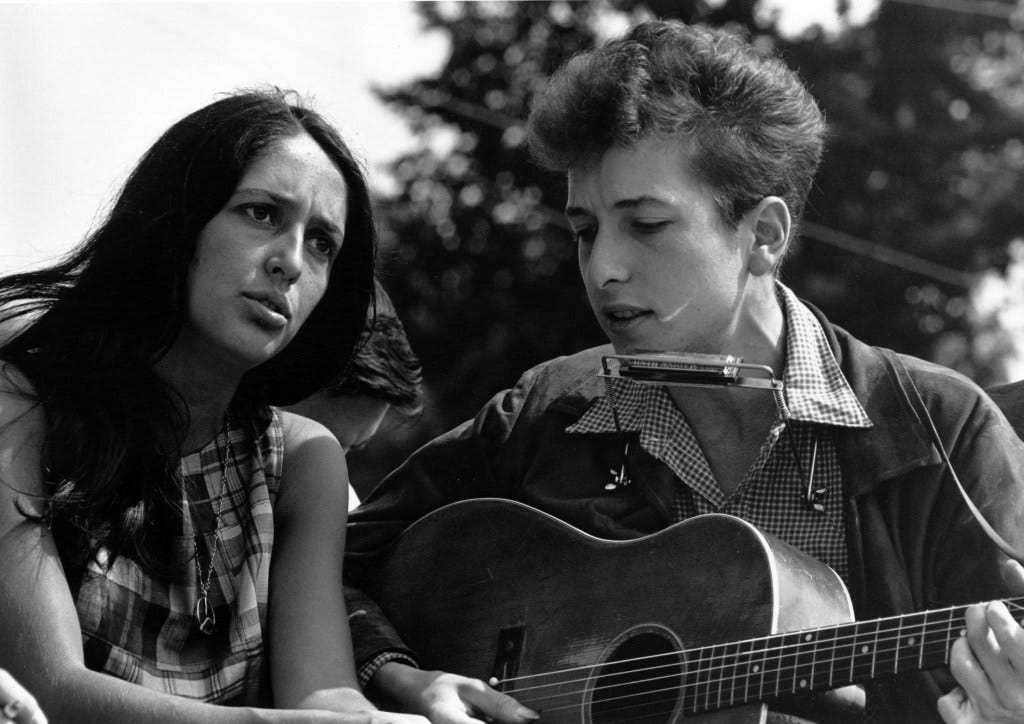
And then there’s Bob Dylan with plenty of qualifying work, such as, Blowin’ in the Wind, Times, they are a Changin’ and plenty more. Joan Baez and Dylan together, became part of the 60s vanguard for musical protest and inspiring peace, equality and universal human rights. There was no shortage of artists who took the stage for music and a cause, often succeeding at both. A trio named, Peter, Paul and Mary gave us, 500 miles, If I had a hammer or one of my personal favorites, “Where have all the flowers gone.” Who could forget Aretha and Respect, which became an anthem for Black Civil Rights and Women’s Rights, workplace equality, protection from domestic violence and sexual assault. Other Black artists such as Curtis Mayfield brought us, People get Ready, which Dr. Martin Luther King called the “unofficial anthem of the Civil Rights movement. Later, with the advent of Hip Hop and Rap, protest for social justice took a uniquely American turn and the late Tupac Shakur’s work, revolved around his fight to bring light to what America has long kept hidden, the systemic racism and brutality of the inner city and Black community as a whole.
Protest didn’t stop with just the war and civil rights movement, but spread to several other related issues, such as women’s rights, native American rights, gay rights and more. The 60s changed America in the long run and almost all of it brought us closer to the lofty desires and goals, enumerated in our founding documents. Protest though did not end with the 60s and continues up until this very day. Americans know how, we love to sing and everyone outside of the MAGA GOP, is chomping at the bit, to move well past the nightmare America is currently living through. Meanwhile from Mexico to the tip of Argentina, Latin artists were just as powerful throughout the political turbulence inundating Latin America, and their songs slowly entered into the Latin-American US communities experiencing second-class citizenship here in the States as well.
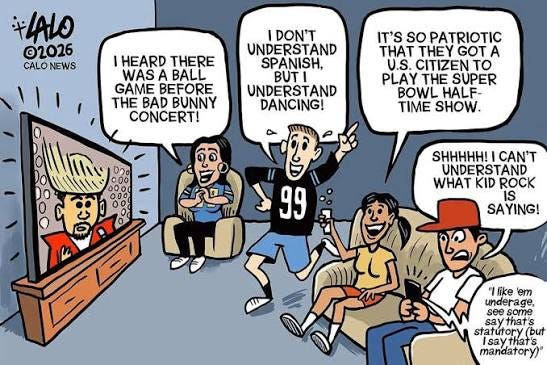
The Latin influence in American music is pervasive. The rhythms of Cuba, the Sambas of Argentina are all interwoven into our music. The crossover began in popular music with Richie Valens, whose La Bamba burst onto the American pop scene with the energy and vitality of most Latin music. Valens legacy can be seen in countless Latin artists that today are a critical part of the US musical legacy. Ricky Martin courageously not only brought his high energy Latin style to pop music a decade ago, is both gay and Latin. In today’s Republican America, this is the equivalent to having “two-strikes against you. During last year’s Super Bowl, the overwhelming majority of Americans thrilled to Bad Bunny’s half-time show. American music is just as integrated into American Society as an Irish jig, a European waltz, or the folks songs from divergent people all across the world. Gloria Estefan’s Miami Sound Machine, brought salsa music and dancing to popular culture, unapologetically and brilliantly. It is one of the most popular dance genres in today’s America. In the case of Latin artists, entering the US mainstream market, was a victory all by itself.
Helen Reddy’s women’s rights anthem, I am Woman infused the Women’s Rights movement with energy and an anthem. Artists like Johnny Cash, Redbone, Buffy Saint-Marie and countless others championed native American rights and so on and so on. Cash also supported veterans via his music, even those suffering horribly from a war experience more hellish than most can imagine, and no one at home could or would understand. Our Civil Rights movement created a whole new genre of American protest music, some hearkening back to the earliest days of the slave trade and most Americans at one time or another, sang one of the most iconic songs within that genre, “We shall overcome.” We sang this nightly around the campfire when off at summer camp in my youth, almost always followed by another song grounded in the old black spirituals, Michael rowed the boat ashore. On a personal note, I was honored during my building career and before returning to the army, by having as a client, David Fisher and his family, who wrote and performed this song as part of the Highwaymen.
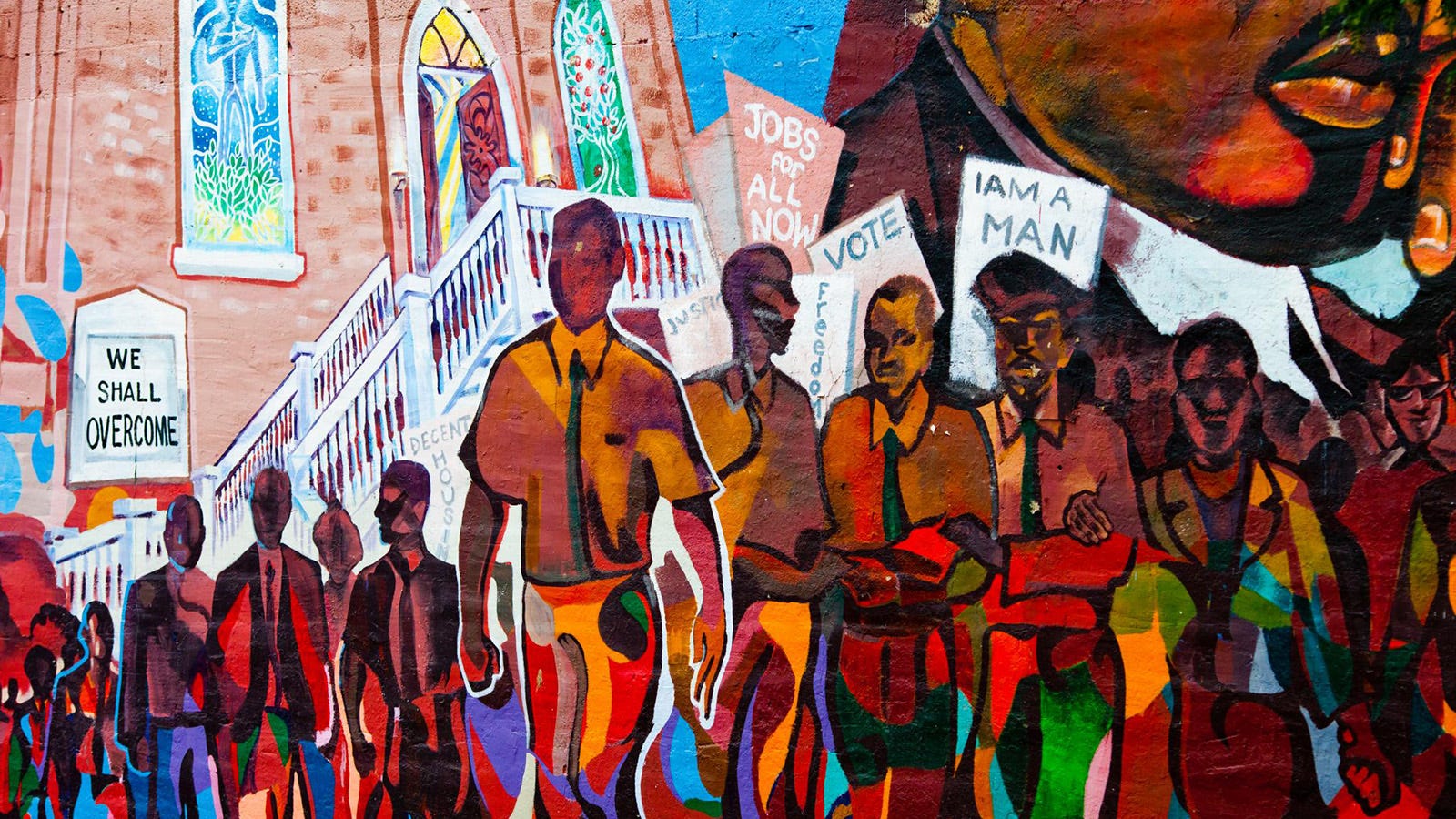
I’ll end up with a note or two about the 60s, the era of American protest. Music carried the entire era. Our youth of the era, me included could never be out of earshot of one protest song or the other. The artists and the music or the era, musically defined my generation and until today, some of those songs still populate our airwaves and playlists. Who could forget, Dylan’s Blowin’ in the Wind, Baez’s We shall Overcome, Jimmy Hendrix’s electrified version of the Star Spangled Banner and of course, John Lennon’s Give Peace a Chance and Imagine. Peter, Paul and Mary’s, If I had a hammer, wasn’t only protest but opined a version of America that was within our reach while offering gentle criticism of our ills, via their inimitable harmony.
In the sixties, protest tore the bandages off of the wounds of centuries-old social ills and until the Trump/ MAGA era, we had steadily been healing those wounds. By the end of the Obama presidency, I and most Americans felt that we could nearly reach our outstretched hands and touch the future our founders had foreseen for us. I believe with all my heart, that this spirit of standing in opposition to tyranny is still safely tucked within our DNA. Music is also within our DNA. One point that I would like make about many of these songs, is that they are not just the WASP artists, but come from diverse backgrounds, cultures, rhythms and perspectives. The one thing that binds them together for their collective purpose of protest, is that they hearken from every nook and cranny of our nation and its people. "E Pluribus Unum, “out of many, one,” isn’t just stamped onto our currency for no reason, but to declare without hesitation, that we are a nation of immigrants bonded over liberty for all.
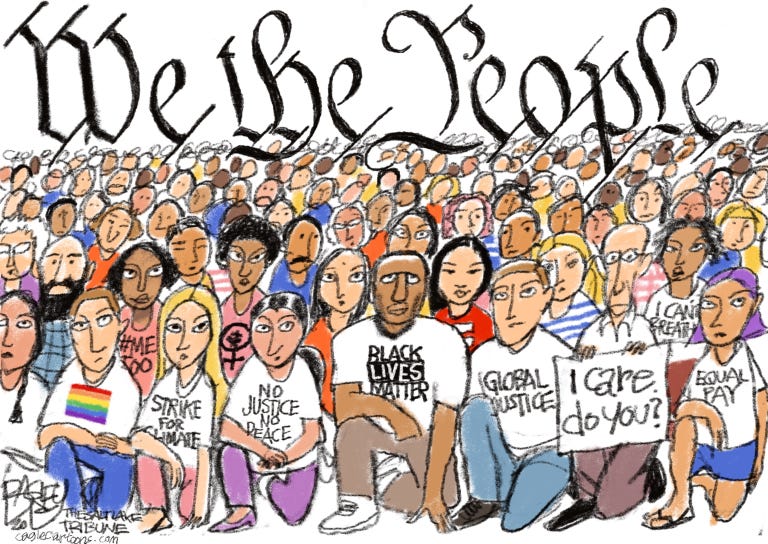
Now that I’ve indulged myself and gone on too long, I must give you leave, while only asking that you listen, feel and be inspired by artists who had the courage to stand for something bigger than themselves. Nothing is more American than this. We are today’s vanguard in the campaign to reclaim our birthright of freedom, equality, dignity and guaranteed constitutional rights.
While most believe that “music soothes the savage beast,” I would argue that it also stirs the passions of true patriots. Not once in US history has this defense failed and it will not now. If you wish to be inspired to that defense, few things like a good ole-fashioned American protest song is the remedy. Try on a little Buffalo Springfield’s, 1967, For what it’s worth or Crosby, Stills, Nash and Young’s, Teach your Children. You’ll feel part of America and the spirit of protest for all things good. Protests stopped a war in SE Asia, motivated colonial troops to stand against Britain, the globe’s most powerful superpower at the time, sustained a war to free black Americans from slavery and became the conscience of our nation, long before it was one. The last words in this essay are actually musical. The New Seekers, 1971 song, often known as the Coke commercial song because it began it’s life as the advertising jingle for them became a hit single that's catchy melody and universal appeal for peace and unity, became a global sensation, rocketing to #1 in the UK and in the top 10 in the US. The actual video of the Coke commercial filmed on a hilltop in Italy preceded, MTV and yet, still became a sensation all on its own. Maybe peace and harmony sell after all.
Hey there music producers and artists, we need you now. You’ve been with us loyally since 1776, and all America hopes that you won’t abandon us now, when we need you most.
My very best to all and thank you for reading,
Paul