

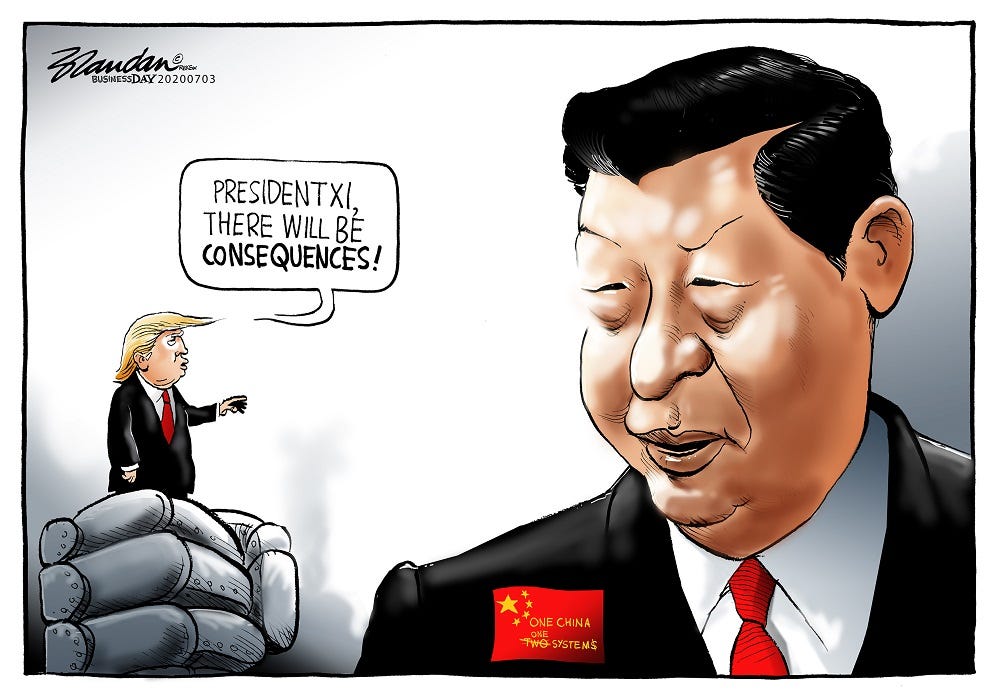
TAT readers,
First of all, thank you for being patient with this week’s first essay. I began a different essay but my gut told me to wait and see what happened in China, between Trump, Xi and Trump’s 17-member entourage of oligarchs. The absence of much serious reporting only exacerbated the gnawing at my gut about the outcomes of this meeting. There is a very long list of issues for US and other global citizens to be concerned about when there is a meeting of these two global giants, especially in regard to who holds the most global power and leverage. At the moment, Xi holds nearly all the cards that matter, therefore making Trump’s visit one of a world leader approaching another with his hat in his outstretched hand and looking for charity. No serious businessman takes such a meeting unless they need something very, very badly. Trump does in order to solve the Strait of Hormuz disaster, the US and global economy, multiple wars and a “win” to divert attention from the Epstein files. Today, I hope to bring some clarity to all of this and more. Hang on because as they say, “it’s complicated.”
I have been professionally studying China for decades and have written deeply on a great many aspects of where she fits into the global power hierarchy, hence our national security landscape. A few of those essays will be sprinkled throughout today’s essay for those seeking deep-background reading.
The takeaways from this essay should give every honest American deep concern. What we have just watched this week is Trump and his merry band of oligarchical minstrels, demonstrating for the entire world that the US is quite likely now the number 2 superpower in the world… or painfully close to it.
There’s no need to extend this brief introduction further. There is a lot to get to, and there’s no time like the present to get started.
Onward
Let’s begin with a few hard facts in order to give everyone a baseline understanding.
China and the US are the only true-peer superpowers remaining
In my professional assessment, the Trump administration has via its greed and arrogance, edged the US into second place as a global superpower
China now has far more global influence than the US under our current administration and their spineless, sycophantic Republican-led congress
Any national security professional worth their salt, should easily see that China now holds all the “trump-cards” (pun intended).
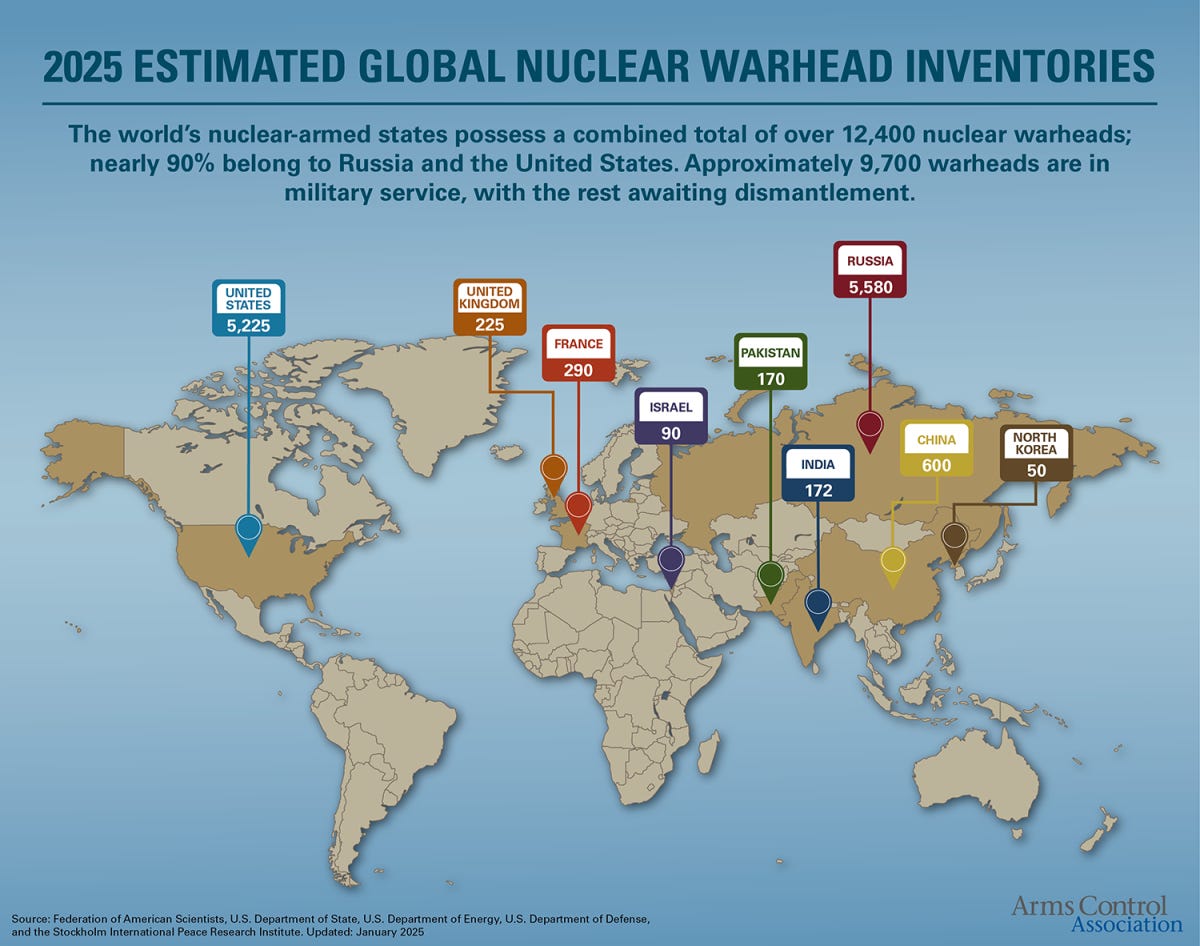
The Eurasian continent now holds 6 nuclear armed states and two of the globe’s top four economies, China and India. With the exception of Israel, the other five nuclear-armed states are aligned with China or Russia, and sometimes both.
In January, China, Russia and Iran signed a high-profile strategic alignment pact.
“In a dramatic geopolitical development this afternoon (29 January 2026), Iran, China and Russia formally signed a comprehensive strategic pact, marking one of the most consequential shifts in 21st-century international relations. While the full text of the agreement is being released in stages by the three governments, state media in Tehran, Beijing and Moscow have acknowledged the ceremony and described it as a cornerstone for a new multipolar order.”
- Sanjan Solomon
- January 29th 2026
Trump took his favorite oligarchs to China with him.
Elon Musk
Tim Cook of Apple
Jensen Huang, Nvidia CEO
Robert "Kelly" Ortberg, CEO at Boeing
Blackrock Chairman and CEO Larry Fink
Blackstone Chairman, CEO and co-founder Stephen Schwarzman
Cargill Chairman and CEO Brian Sikes
Citi Chairman and CEO Jane Fraser
Coherent CEO Jim Anderson
GE Aerospace Chairman and CEO H. Lawrence Culp
Goldman Sachs Chairman and CEO David Solomon
Illumina CEO Jacob Thaysen
Mastercard CEO Michael Miebach
Meta President and Vice Chairman Dina Powell McCormick
Micron Chairman, President and CEO Sanjay Mehrotra
Qualcomm President and CEO Cristiano Amon
Visa CEO Ryan McInerne
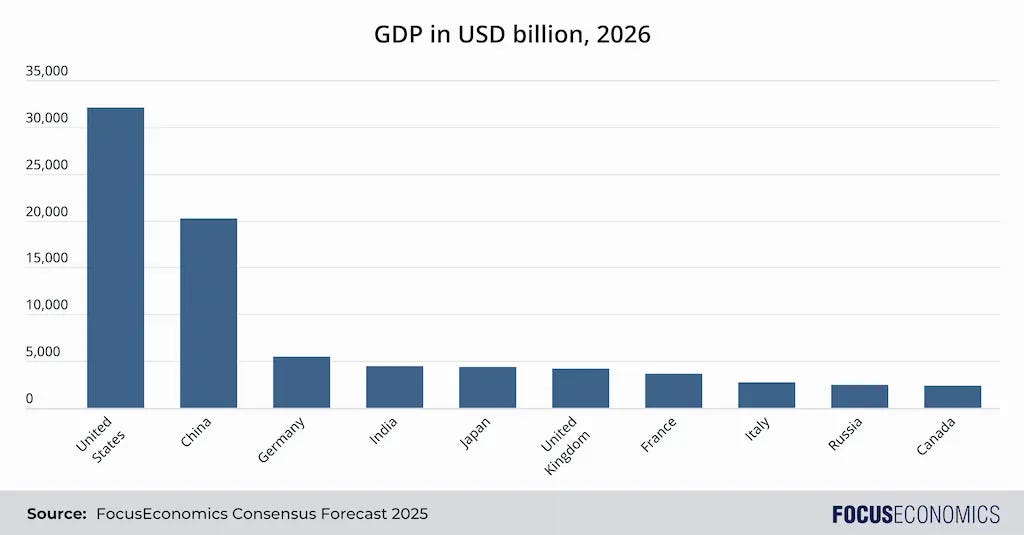
These points are the foundation of our concerns. The following essay is a narrative of our concerns, built onto these preceding foundational elements.
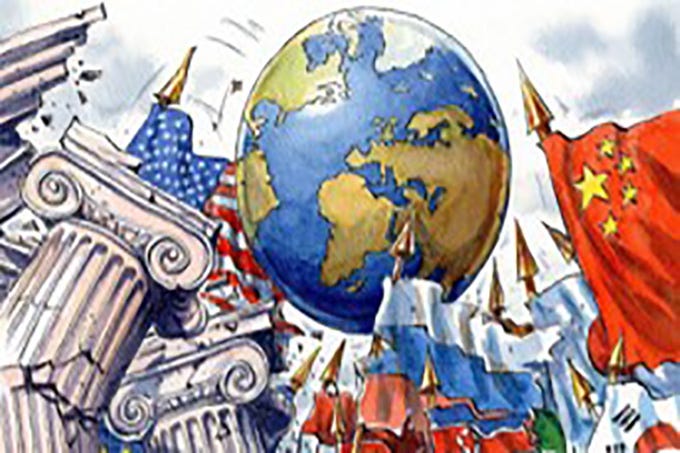
Let’s begin with a term that has bounced around DoD and the IC/ Intelligence Community for well over a decade. The term is Great Power Competition.
"Great-power competition (GPC) is a touchstone for strategists and policymakers. Its popularity stems from perceptions of China’s rise, Russia’s resurgence, and the United States’ relative decline. The term’s notoriety in policy circles is related to its use in U.S. national defense and strategy guidance documents. Sometimes GPC is dismissed as a buzzword, but it is a distinctive phenomenon that deserves scholarly investigation.

GPC is a classic feature of modern international relations grounded in a traditional power politics approach. Specifically, GPC is a permanent, compulsory, comprehensive, and exclusive contest for supremacy in a region or domain among those states considered to be the major players in the international system. The contest varies in intensity over time and space but remains a persistent aspect of the international system of sovereign states.

- Great Power Competition
- Oxford Academic
- Jonathan M DiCicco, Tudor A Onea
- January 31st, 2026
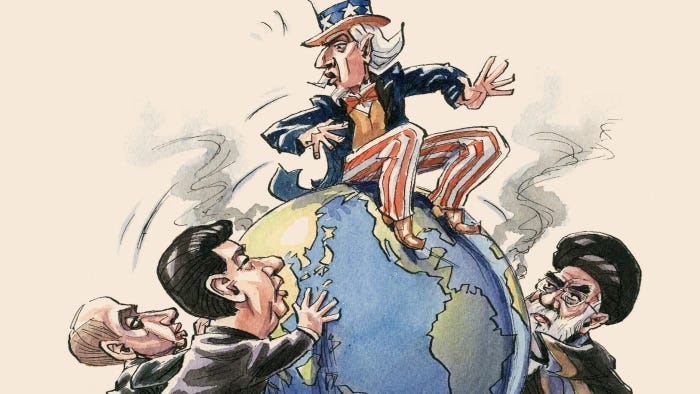
Like most national security doctrinal terminology, Great Power Competition or GPC is the competition for dominance between the globe’s primary powers, such as the US, China, Russia and occasionally, India is included as well. It is common knowledge among national security professionals that Putin is attempting to rebuild Russia to the full extent of the former, Soviet Union. He intends to regain dominance over its former satellite states such as Ukraine, the Balkans, the Baltic states, Syria and of course primary Eastern European nations such as Hungary, Poland, Germany etc.
Next door in China, now Russia’s official strategic ally, Xi has his China Dream Strategy, built on the back of his well-known BRI or Belt and Road Initiative. Xi’s strategy is far more brilliant than his oft-times poor decision-making in pursuit of his goals. The China Dream Strategy’s goal is regional hegemony by 2035 and global hegemony by 2049. India on the other hand has a decades long, close relationship with Russia extending far back into the Soviet era and although she has long been a bitter rival of China, has in the past year or so, demonstrated an interest in improving a working relationship with China.
There is little trust for China in New Delhi, which keeps India logically mistrustful of Xi and for good reason. India’s long claim of being a “non-aligned” nation has evolved into what they like to call, “multi-alignment.” India’s intentions of remaining great friends with all major world powers who are often at each other’s throats, is a very dangerous high-wire act. Yes, all of this matters a great deal to the US and our now distant allies in NATO.
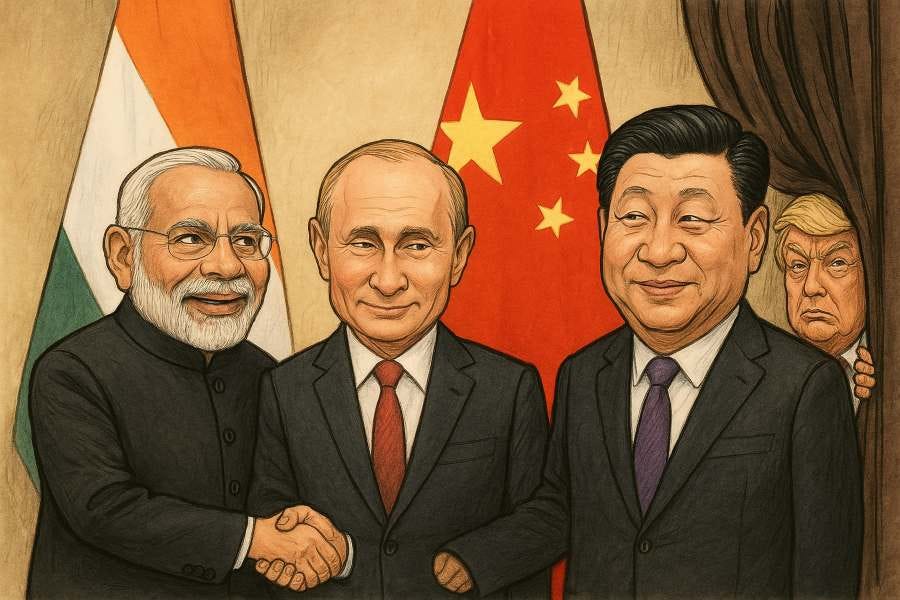
In a simpler fashion… India and Russia are friends while that China and Russia are partners as well. India and China don’t love each other, but they both have Russia as a common friend. This makes for a collectively very powerful kinship among three of the world’s most powerful. Adding the US into the mix at this time, is where things begin going really poorly for US global prominence under the Trump administration. Now a few words about where the US currently stands on the world stage, and warning; it’s not a pretty picture.
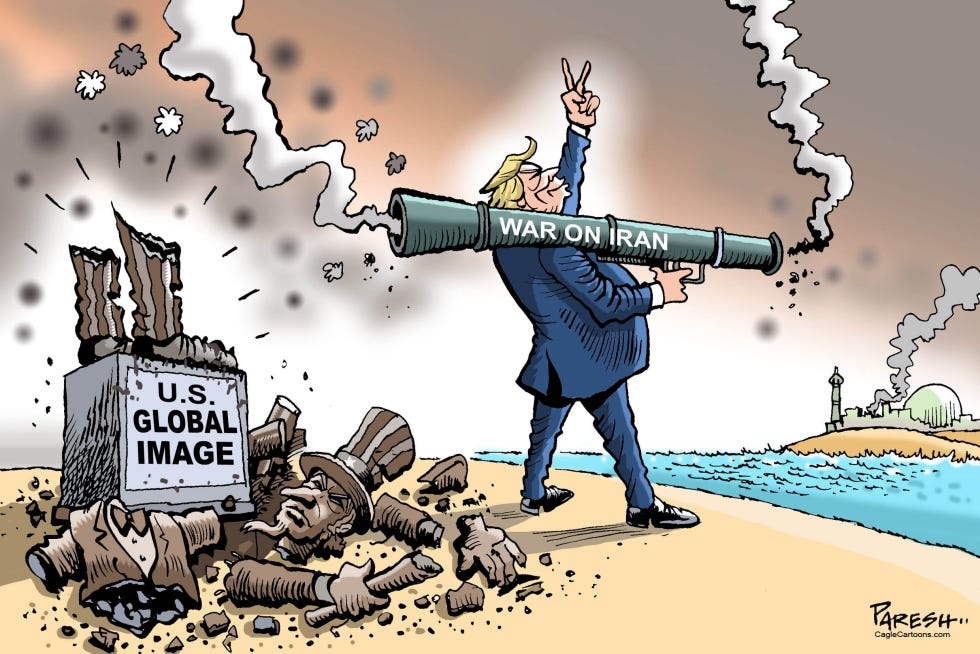
From the beginning of his first term, Trump has abused and attempted to either leave or destroy NATO. Now, things have gone downhill from there with Trump first not telling NATO about the US joining Israel in their defensive attack on the world’s worst, state-sponsor of terrorism, Iran. Then, when the administration’s poorly strategized war on Iran began going poorly for the US, Trump began whining, pointing fingers and issuing threats to our NATO allies, who refused to embark on Trump’s quest for Iran’s oil and dominance over the Persian Gulf.
The US cannot just leave NATO by Trump’s order. We have a treaty with NATO and only the Senate can remove us from that treaty. Yes, Trump is furious about this. One last note applies here, that Trump is weakening the world’s longest and most successful alliance. After WW II and the formation of NATO, the alliance deterred Russian and Soviet aggression for 80 + years and throughout the Cold War. Trump is weakening NATO for Putin’s sake, as we can see by his multiple reductions of US forces in Europe. To make matters worse, a couple of days ago, Trump ordered the First Cavalry Division to stop their deployment to Europe, while the deployment was already in process. This comes on the heels of Trump removing 5,000 troops from Germany because he didn’t like comments from German Chancellor, Merz about the Iran war.
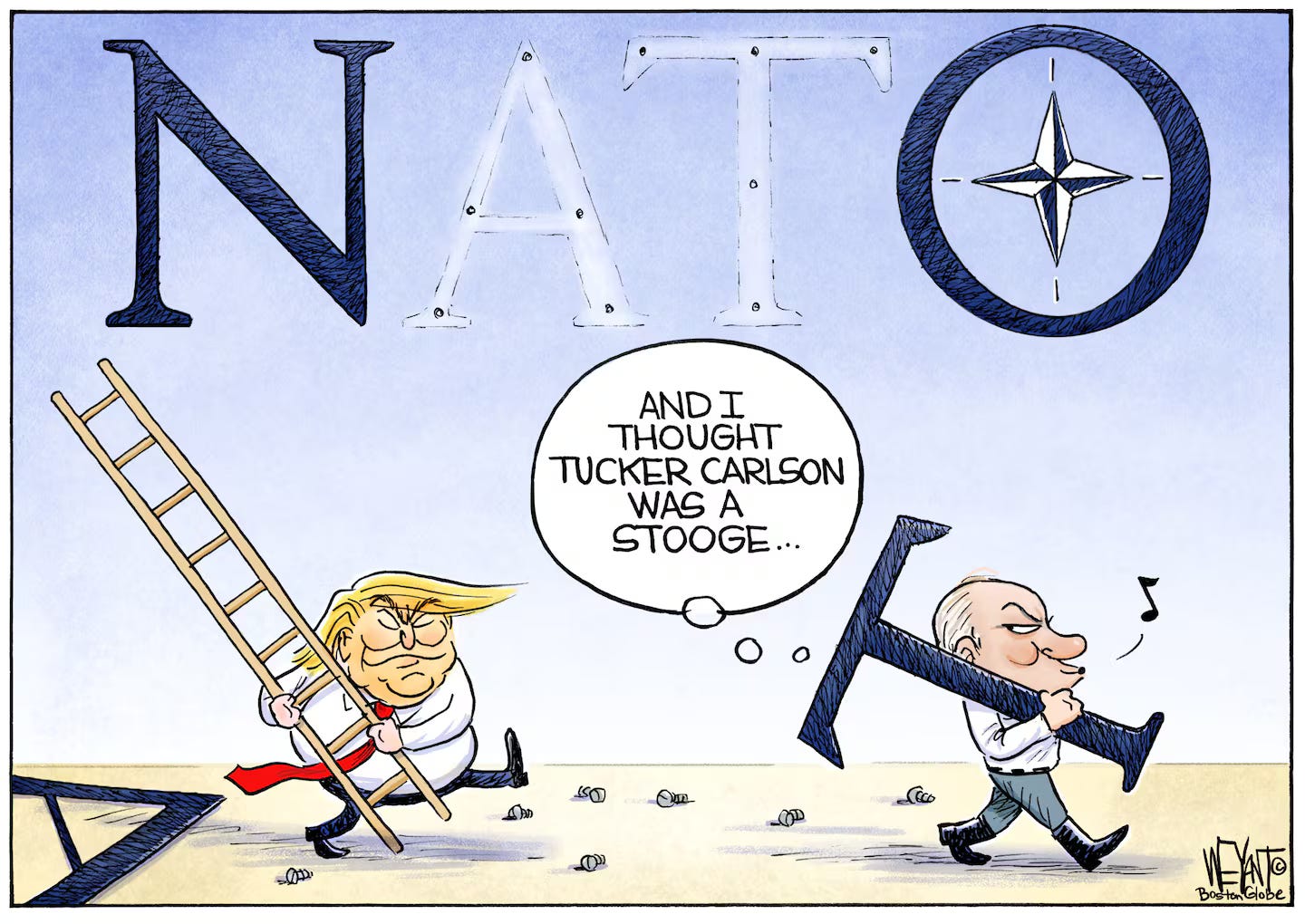
The noose is now tightening on US and previous western dominance on the world stage. Just last week on May 8th, Russia and China signed some 20 cooperative commercial efforts that solidify their relationship. Russia is no longer the senior partner in the China and Russia relationship. Xi is now clearly in the driver’s seat. It’s no surprise that most of those twenty agreements overlapped with the business interests of those oligarchs tagging along on Trump’s China visit. A little more news comes from Asia than US and western news these days and according to the Asia Times, the US came away with multiple business commitments in some of those areas represented by Trump’s tag-a-longs. What China gets out of this besides less confrontation with Washington, is still very murky, but Xi is no fool and surely got more than he gave. The big question is what exactly is China getting for further enriching US and western oligarchs? This is precisely why we must be very concerned.
As long-time readers will know, I’ve been talking about the so-called new world order for quite a while. The evolving strategic global realignment beginning after the fall of the Soviet Union, is well down the path of coming more clearly into focus. As discussed in previous writings on this topic, I had identified four primary players for sharing global dominance, the US, China, Russia and to some extent, India. The basic concept is that these four nations carve up the planet into regions that they alone have primacy over or so-called, the only nations with full sovereignty. All of the other nations on the turf of these primary sovereigns, are to become something similar to a satellite state. As you can see in the graphic, the US gets all of the Americas, as we have already witnessed with the administration’s bizarre rantings about Canada, Cuba, Venezuela and so on.
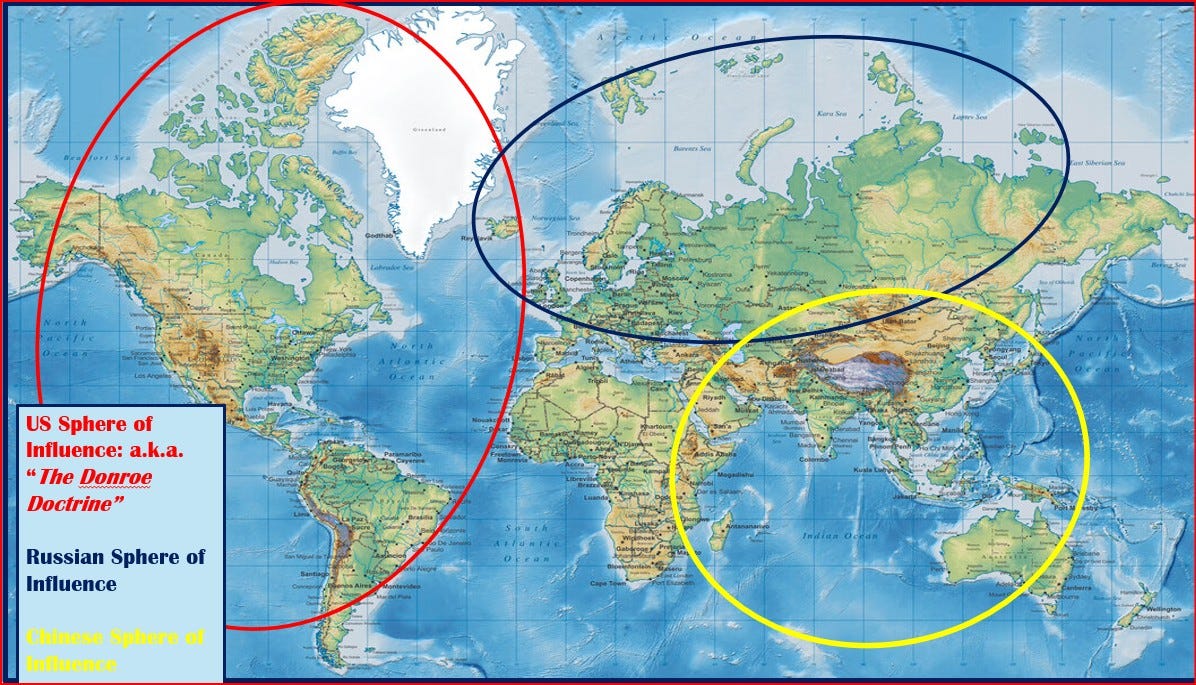
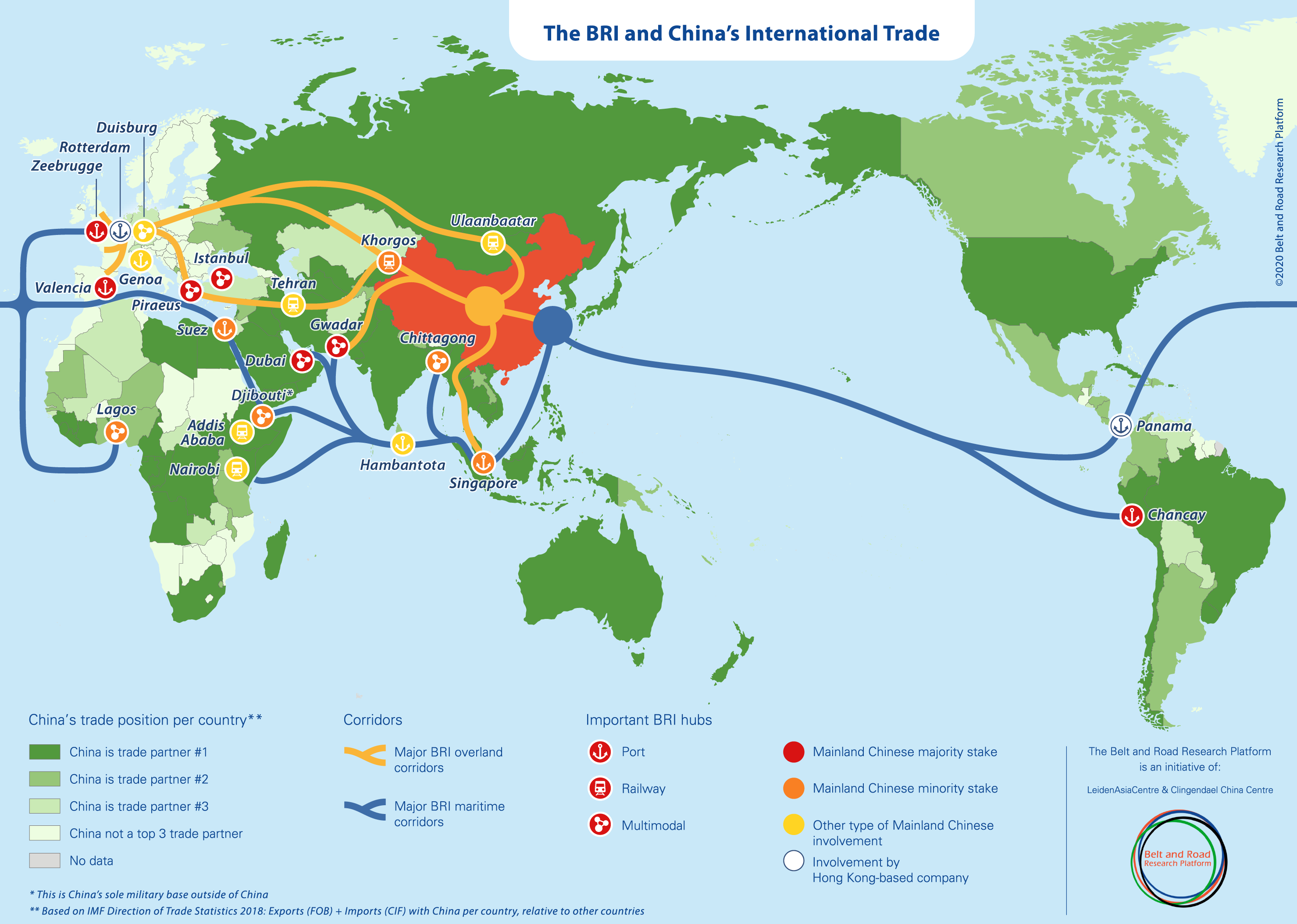
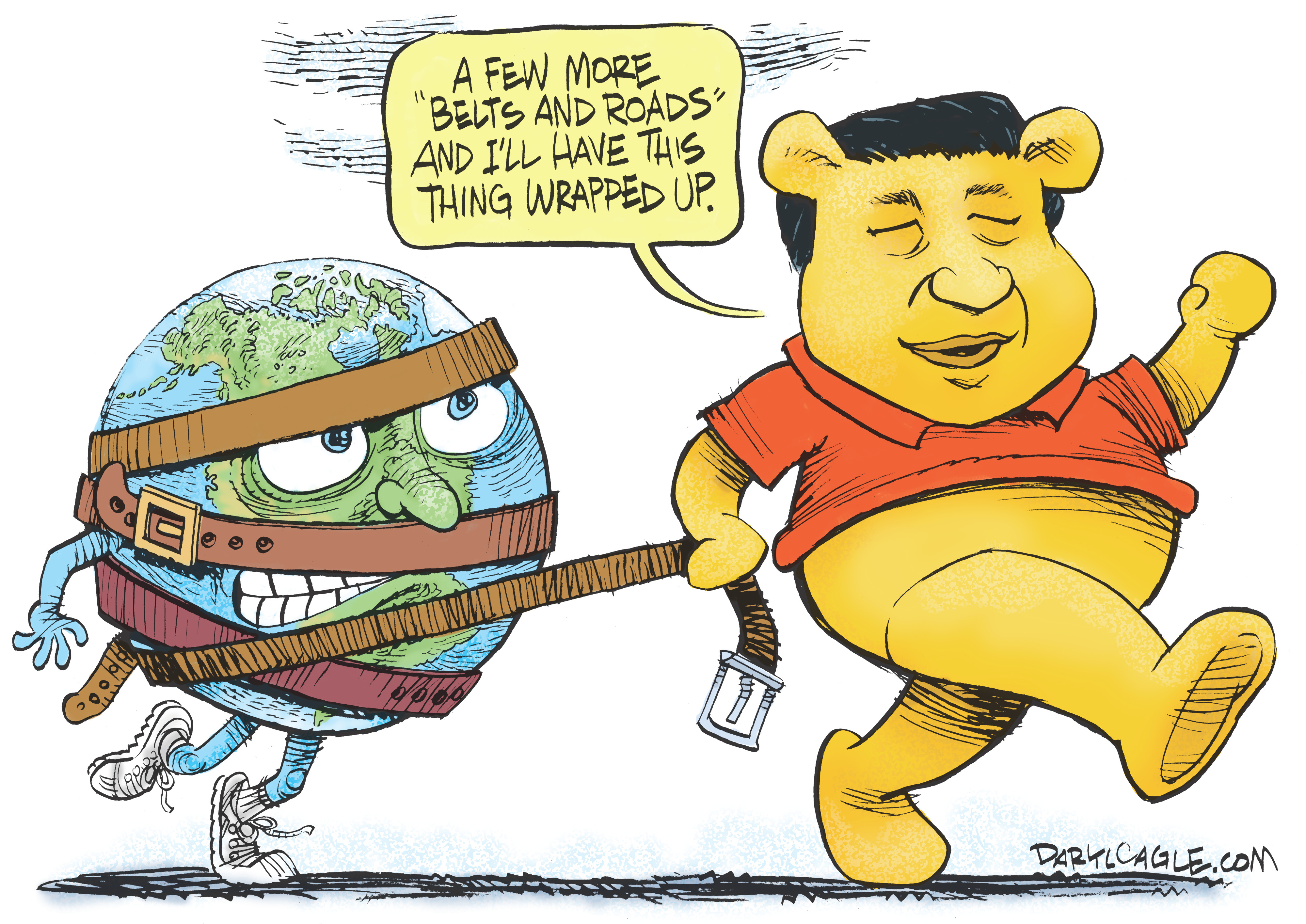
Under this system, Russia gets Europe and China gets all the rest, with India playing some unique role in the mix. With the agreements signed between Putin and Xi last week, it’s starting to look like only the US and China will be the last two primary sovereignties in the final arrangement. The catch to this is that Xi’s strategy has merit and the US has no strategy. Xi has all the cards for achieving his 2049 goal of global hegemony. China’s BRI has access to nearly the entire planet where she has already put down serious operational roots. The BRI is a play of sorts on the Silk Road of Marco Polo’s time. In other words, China has spent the past dozen years of so building bridges, train tracks, roads, commercial shipping, undersea communication cables and far more, all around the world. These are often referred to as Silk Roads. All along these massive infrastructure investments, China has planted business, manufacturing and deeply ingrained influence.
The US’s global influence pales in comparison. The administration has driven away our most important allies, upset most of countries on earth with a degenerate series of tariffs, invasions, coercion, theft and even murdering thousands by abruptly shutting down life-saving USAID programs overseas. All of this means that Air Force One landed in China with a losing hand being poorly played, up against a strong hand being well-played by Xi. Xi has powerful allies or at least powerful cooperative major powers such as Russia and partially India. The US under Trump and his Republican Party, is now despised or mistrusted in nearly every corner of the world.
So I ask again, what did Trump give up to allegedly receive such cooperation these past couple of days? This just may be the question of the year. Xi is no fool and has a plan. On the other hand, Trump is a fool and has no plan. This doesn’t mean that there is no plan though. The high-powered commercial interests that accompanied Trump to Beijing certainly have strategies to profit from increased access to Chinese and affiliated nations’ markets. Depending on the ethics of these high-powered CEOs, there are some decent opportunities but then, Elon Musk is part of this group along with several banking and financial institution CEOs, that most Americans wouldn’t trust if their lives depended on it.
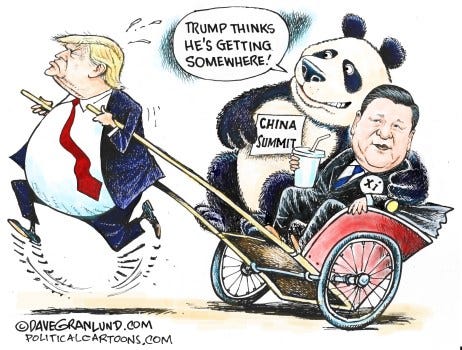
For one thing, Trump went to ask Xi for help resolving the mess he’s made of the global economy.
"The expanding war in Iran is disrupting, if not devastating, the global economy. Meanwhile, the sound of silence from normally voluble leaders of China and Russia is telling. From their point of view, silence is the best way for them to let Washington entangle itself in a protracted war in the Middle East, opening space to expand the influence of President Vladimir Putin of Russia in Europe and for President Xi Jinping of China in the Indo-Pacific.

Iran’s strategy of closing the Strait of Hormuz using naval mines, coastal missile batteries, and drone swarms is holding the global economy hostage as energy prices have surged. If the US plan with Iran was to mirror the Venezuela playbook by achieving a swift, overwhelming action to remove a perceived threat and declare victory, it has backfired horribly."

- How Russia and China are winning the war in Iran
- Peterson Institute for International Economics
- Elina Ribakova (PIIE) and Alicia García-Herrero (Bruegel; Hong Kong University of Science and Technology)
- March 30th, 2026
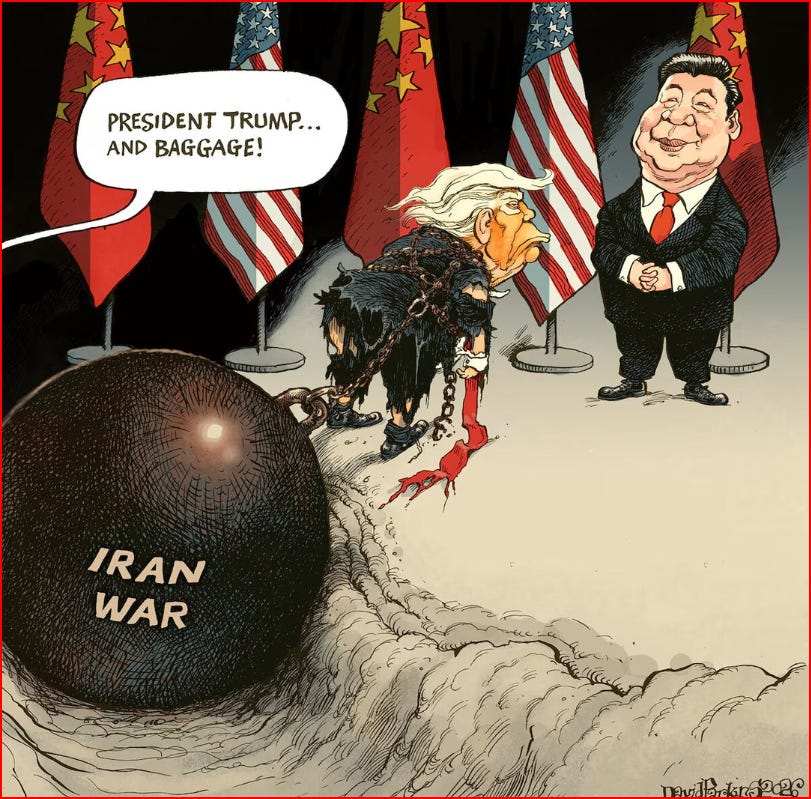
The US has no serious options against Iran at this point, with the exception of a full-blown invasion. Trump’s political future is currently looking pretty dim and pursuing a large-scale boots-on-the-ground invasion at this time, would be a self-inflicted mortal wound to his administration. Look, I despise the Iranian regime as much as anyone and maybe more considering my years in counterterrorism, but there is no appetite at home for another war in the Middle East, especially when Americans are being crushed by an administration and congress demonstrably inept at governing and affordability issues.
Trump’s only real global connections are Putin and Milei in Argentina. Much of the world doesn’t care much for Xi either, but with 60% of the world’s population in Asia, and an extensive global network that controls much of the world’s commerce, he is the lesser of two evils. It still startles me how far the US has fallen in a little over a year. That a China defined by military intimidation, predatory financial practices and human rights abuse, looks better to most than the US under this administration, is beyond humiliating.
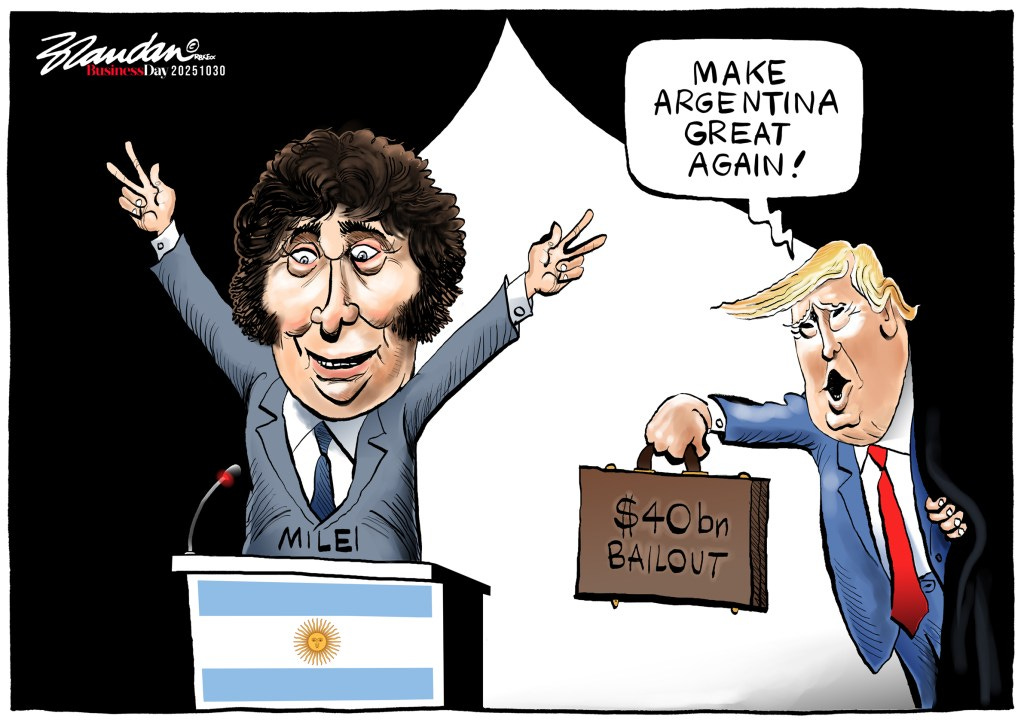
Even the Arab Gulf oil states have lost cohesion, with the UAE leaving OPEC a week ago. Qatar left in 2019. The Saudis are furious at the inability of the US to hold up their end of the bargain, and protect the Arab nations on the west side of the Gulf from Iran. China has made an enormous play for influence in the Gulf. She has invested 101 billion dollars in Gulf states since 2005 and with the US more than a bit out of favor at the moment, the region is ripe for sliding closer to China. It would seem that everything Trump and the Republicans touch, dies.
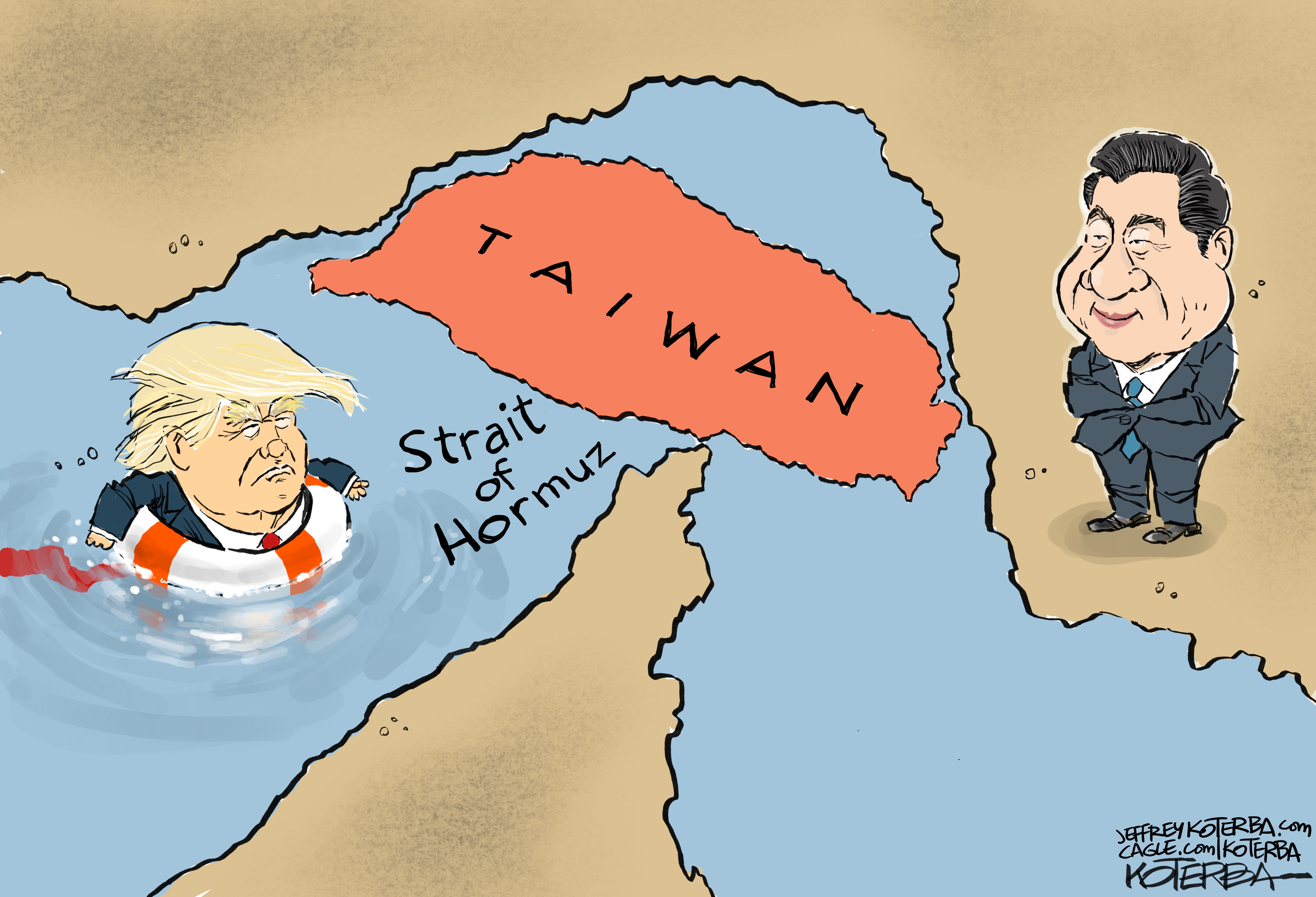
As I sit here writing, I just saw a news story pop up that may tell us what Trump gave up to Xi. First of all, a large arms sale to Taiwan that the administration had approved, is now on hold and Trump says he is considering whether to go through with it. This is a high-priority issue for Xi and helps him advance his China Dream Strategy. Considering that part of the agenda for this trip was to ask Xi for help in reopening the Strait of Hormuz, something Xi really wanted had to be on the table. The issue of Taiwan has long been a redline for the US and other allies. Since 1949, the US has backed Taiwan’s independence from China. Not only does Trump’s potential halting of this arms package to Taiwan put her at significant risk, but due to the number of munitions borrowed from the Pacific Theater for use against Iran, we no longer have enough stockpiled for any sustained conflict with China over Taiwan.
This morning in The Asia Times, a major Hong Kong based and reputable newspaper, reads very different from what is being printed here in the US.
"Salesman Trump leaves China with very little in his bag." The subtitle was even more mundane: "Summit yields agreement to continue talking about a potential framework for a deal – though unlikely during Trump’s term."

An excerpt from the article:
"Sure, there’s talk of some Boeing plane orders, soybean purchases and a reciprocal Xi visit to Washington later this year. But the truly big issues – unfettered access to rare earths, AI coordination or reopening the Strait of Hormuz – were left on the table for another time."

- Salesman Trump leaves China with very little in his bag
- The Asia Times
- William Pesek
- May 15th, 2026
As we all know here in the US, truth from the White House and the Republican-led congress is hard to come by. It will be interesting to see if our mainstream news outlets publish Asia’s version or the typical Trump-friendly US version. Either way, an analytical look at this high-profile visit shows that it was more hoopla than business. The big questions remain on the table. Xi easily won this round of talks by being a generous host with plenty of fanfare to make Trump feel important. It’s no secret that buttering him up is a profitable tactic when you want things from him. Xi’s takeaways were cooperation on a handful of business ventures that are good for China. He also communicated a very firm warning to the US regarding Taiwan, saying, that “clashes” could occur if the Taiwan situation wasn’t handled properly. Xi’s stern warning was in stark contrast to Trump’s attempts to put a positive spin on their talks.
To make matters worse regarding Taiwan, Trump in press interview claimed that Taiwan “was a great bargaining chip.” He followed up with saying that he just thought that Taiwan was too far away to defend for the US. You don’t need to be a bloodhound to smell the sellout coming for Taiwan.
In my estimation, I believe that when more reporting is available, we’ll see little accomplished from these meetings outside of Boeing likely selling more planes to Xi and China buying soybeans, which they’d already agreed to last fall. Trump appeared weaker due to having to ask Xi for help with Iran and not committing to go through with the Taiwanese arms package. Time will tell if he does or doesn’t but if I were Taiwanese, I would be nervous. In the big picture, it is daily more apparent, that the US under Trump’s leadership, has few friends in the world and a significantly weaker national security posture because of it. Nothing occurred in Beijing that will relieve the crushing affordability issues plaguing the US taxpayers, which will only increase our frustration with the administration. I frankly don’t see Xi making any heroic efforts to settle the Strait of Hormuz issue either, unless… Trump sold-out Taiwan. I imagine that we’ll find out which, soon enough.
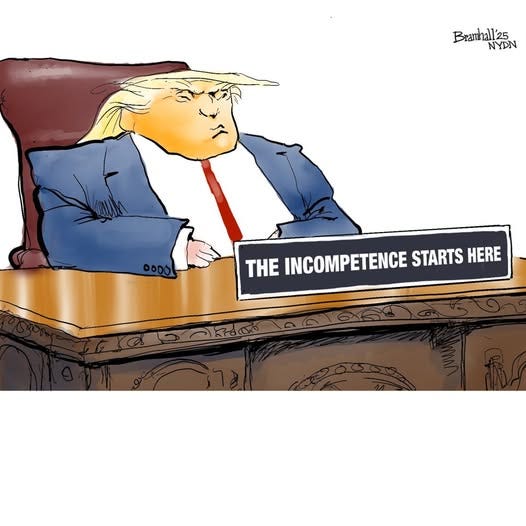
I hope this very dense essay helps to better understand the bigger picture for everyone. The saddest part of this summit, is that it only intensifies my feelings that as a nation, we are no longer either a beacon of democracy or the primary global superpower. One thing for sure though, is that if we don’t rid ourselves of the entirety of this administration and it’s Republican leadership in congress, we will certainly become number two, in a short amount of time. Free and fair midterms are our only way out and even this is not a sure bet. We have the power to change all of this, if we only stand together in November.
Onward to November and the restoration of our republic.
Paul