

TAT readers,
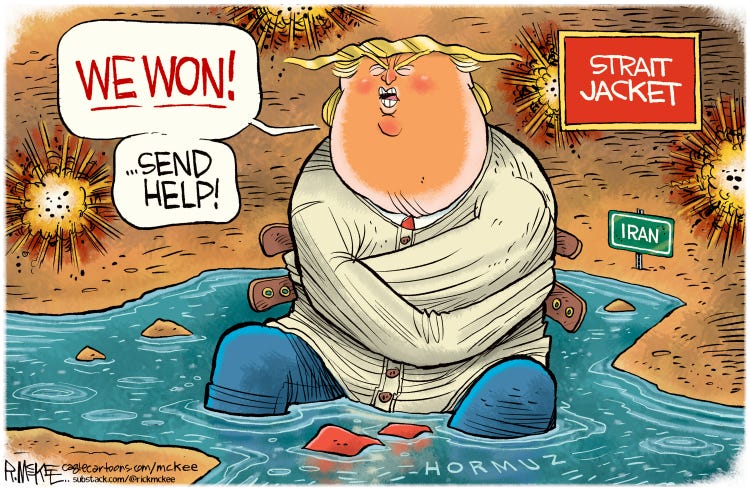
Welcome to the end of the week and as every week has been under the current regime in Washington, it has been just plain nuts. This often makes it challenging to settle on one topic but today’s Part V in the series I’ve been writing on the war in the Gulf, has had so many new negative twists and turns, I thought it warranted attention. Although I am beginning this Friday afternoon, you likely will not see it until Sunday, because I’m tracking some developments that may be worth including. The reason for narrativizing this update is twofold; first, the war with Iran is so geo-politically complex that it is difficult to give readers a concise picture by only looking at a handful of high-profile news articles and secondly, most media reports a story, leaving readers scratching their heads trying to understand what a handful of main news stories means to the big picture. The way to share meaning is via a narrative, not a story.
The reason I used the word “narrative” is because that narratives are made up of stories. An overarching narrative expresses the meaning of all of those stories when assembled. When all we get from news here in the west are independent stories, we need a narrative that helps us to interpret the meaning of all those stories when used collectively. Think of it as each chapter of a book being a story but the whole book is the narrative. Admittedly an oversimplification but still, this explanation is easily accurate enough for all of us today. For those who wish background reading from Parts I - IV, the links to the first four parts are below.
Poor reporting, focus on selected stories, pervasive hidden agendas from media owners, board rooms and investors, etc., are additional hurdles for readers to conquer. Pervasive false narratives in reporting saturate mainstream news, such as this being entirely Israel’s fault or that we are in some way, “winning.” Then there’s the absurdity of the White House claim, that there are no terrorist threats at home and the economy isn’t threatened. Americans and our fellow global citizens have a right to know about an event that threatens to acutely disrupt the global economy and has the potential for a much wider global war. If this sounds like a lot and that it’s complicated… it’s because it is.
As they say, “the first step in a lengthy journey, is the hardest,” so let’s take that first step together.
Onward
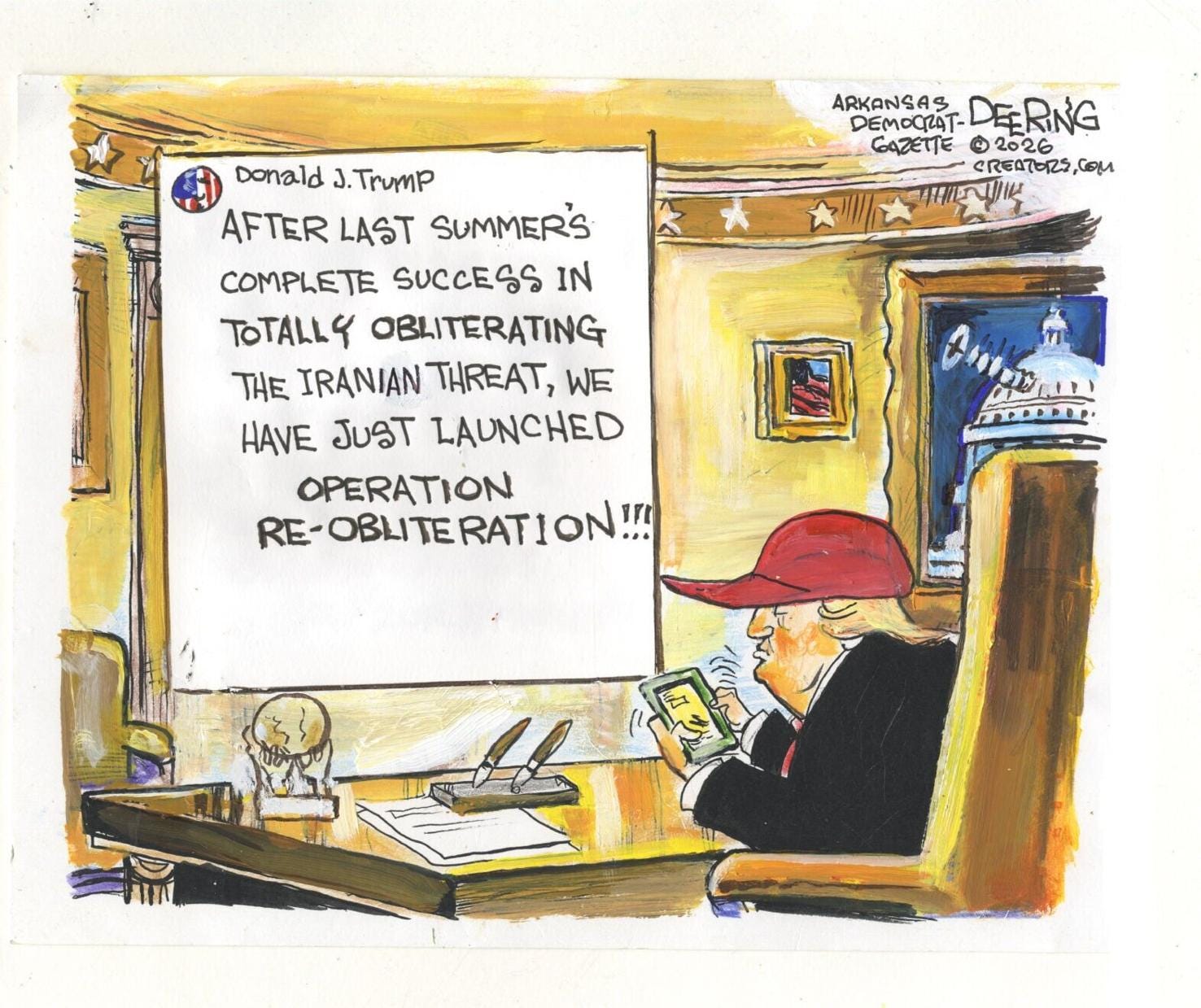
When the US joined in Israeli Defense Force or IDF’s war with Iran back on February 28th, the entire conflict took on an entire new meaning leading to significant chaos in world markets, manufacturing, security and countless other issues that daily impact every single one of us. It has only gotten worse since, except for profiteering oil companies, those well-connected enough politically and defense contractors. There is now little to no reason to expect any easy exit nor normalcy in the near future, even for years. This war has also accelerated the global geo-political realignment which began at the end of the Cold War and now sees the US allied with adversaries while ignoring or abusing our actual allies, most notably NATO. As Putin declared when congratulating Trump post election, his election was the beginning of a “new world order.”
The US entering the war as an active participant was doomed from the very first minute of the conflict. Once an important stabilizing influence in the region, imperfect as it was, the US and our current administration’s arrogant and critically stilted and negligent planning, disregarded countless factors and the hard lessons learned from what most now call, “forever wars” in the region. There was zero planning to protect our Gulf and regional allies or more importantly on the domestic front, for protecting America from what every CT/ Counterterrorism expert already knew decades ago, that Iran’s Qods Forces would impose more painful lessons on all they see as adversaries, especially the US. Furthermore, the administration refused to even consider the global economic destabilization that any entry-level intelligence analyst could have predicted.
The bottom-line is that no matter what happens in the ensuing few weeks, months or otherwise, the fallout from these failures will impact us and the world, long after the major combat activities stop. The intel preparation required to embark onto such a weighty mission or war, should have been extensive and deep. The planning should have woven that intel into every facet of the campaign plan. There was no apparent or reported effort to do so when it came to joining Israel against Iran. Commanders and allies would have been briefed so that they were also prepared for the certain Iranian responses. This did not occur. The most important thing about the planning is that we still do not know why, we are at war in the first place.
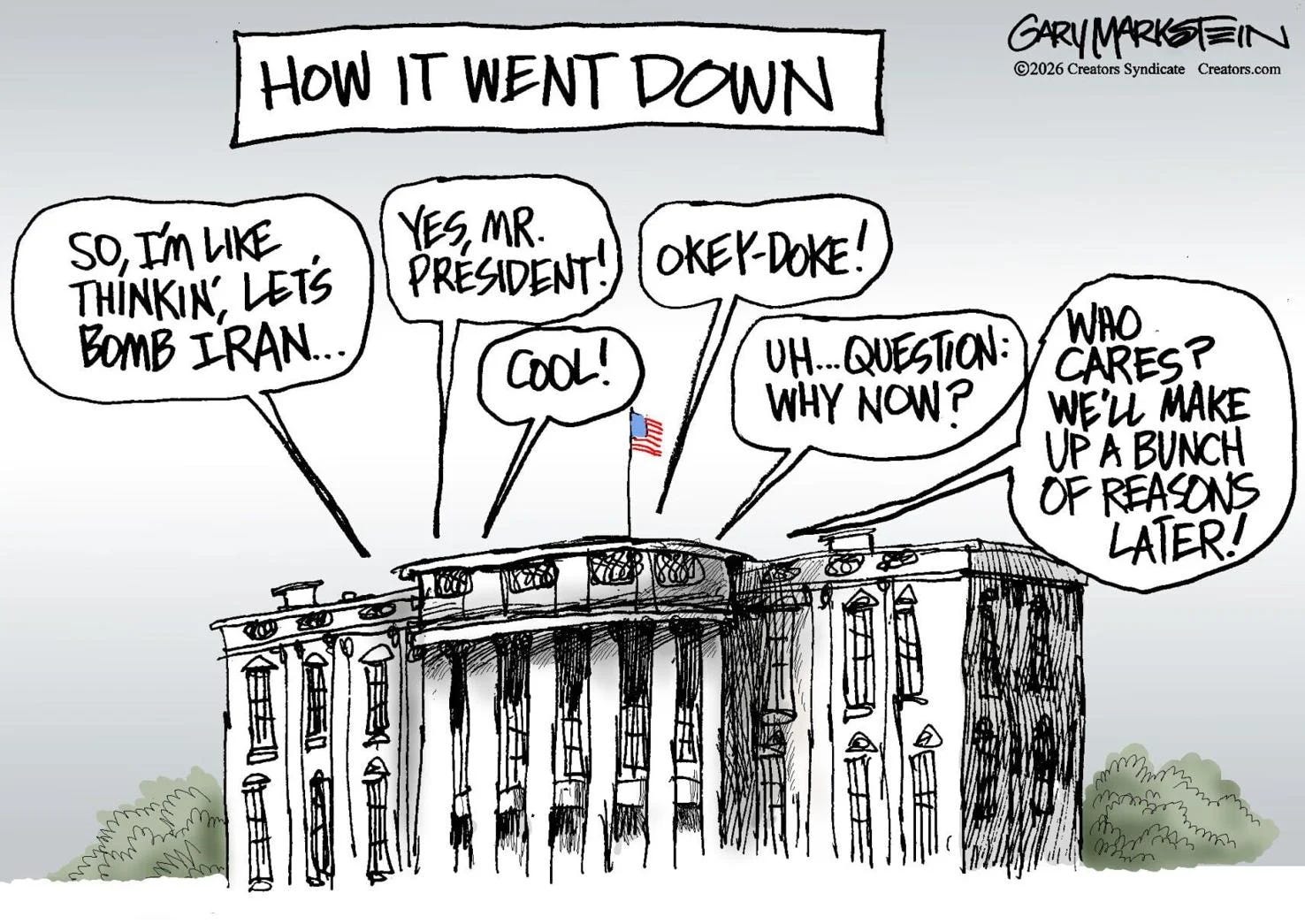
The administration has trotted out several ridiculous explanations for why we are at war, but they rarely even make it through a news cycle before they are exposed as ridiculous and utterly dishonest. The so-called “imminent nuclear threat” from Iran is laughable at best, and insulting to any thinking American at worst. The claims of Iran having an ICBM, InterContinental Ballistic Missile with the capability to carry a nuclear warhead that could reach the US, equally laughable. The “regime change” motive also exists without any visible means of support. US and Israeli intelligence circles had already forecast that there was little chance of regime change via such a war as we are currently witnessing. Here we are a month into this war and the administration remains incapable of expressing a coherent thought as to “why” we are at war. In Part II of my series, I discussed what I still believe, that we went to war for oil.
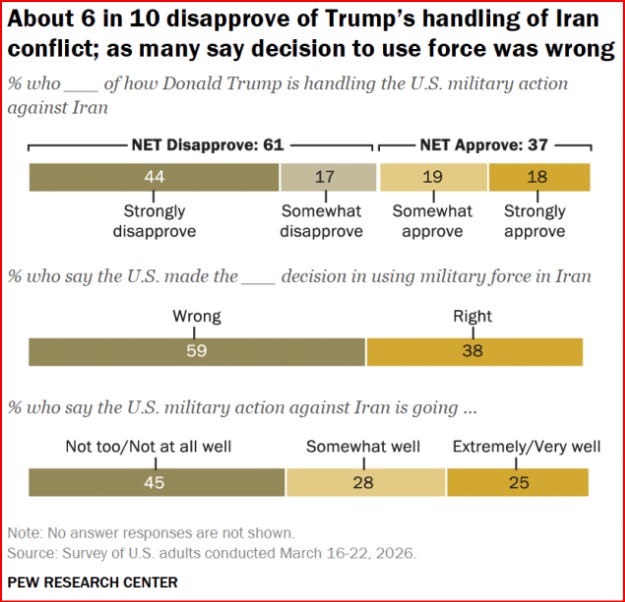
Now, with 60% of Americans opposed to the war and believing the war to not be going well, Trump and his administration have defaulted to his standard ploy of blaming others for his mistakes. Earlier this week, Trump even blamed Pete Hegseth for the war. Should things continue to worsen, look for more scapegoats to appear in our headlines.
“I called Pete, I called General Caine, I called a lot of our great people … and I said, ‘Let’s talk. We got a problem in the Middle East. We have a country … that for 47 years has been a purveyor of terror. And they’re very close to having a nuclear weapon. We can keep going and get that 50,000 up to 55 and 60, there’s no end. Or we could take a stop and make a little journey into the Middle East, and eliminate a big problem,’” Trump said Monday at an event in Memphis.

“Pete, I think you were the first one to speak up,” Trump continued. “And you said, ‘Let’s do it.’ Because you can’t let them have a nuclear weapon.”

- Trump Throws Pete Hegseth Under the Bus as Iran War Spirals
- The New Republic
- Malcolm Ferguson
- Monday, March 23, 2026
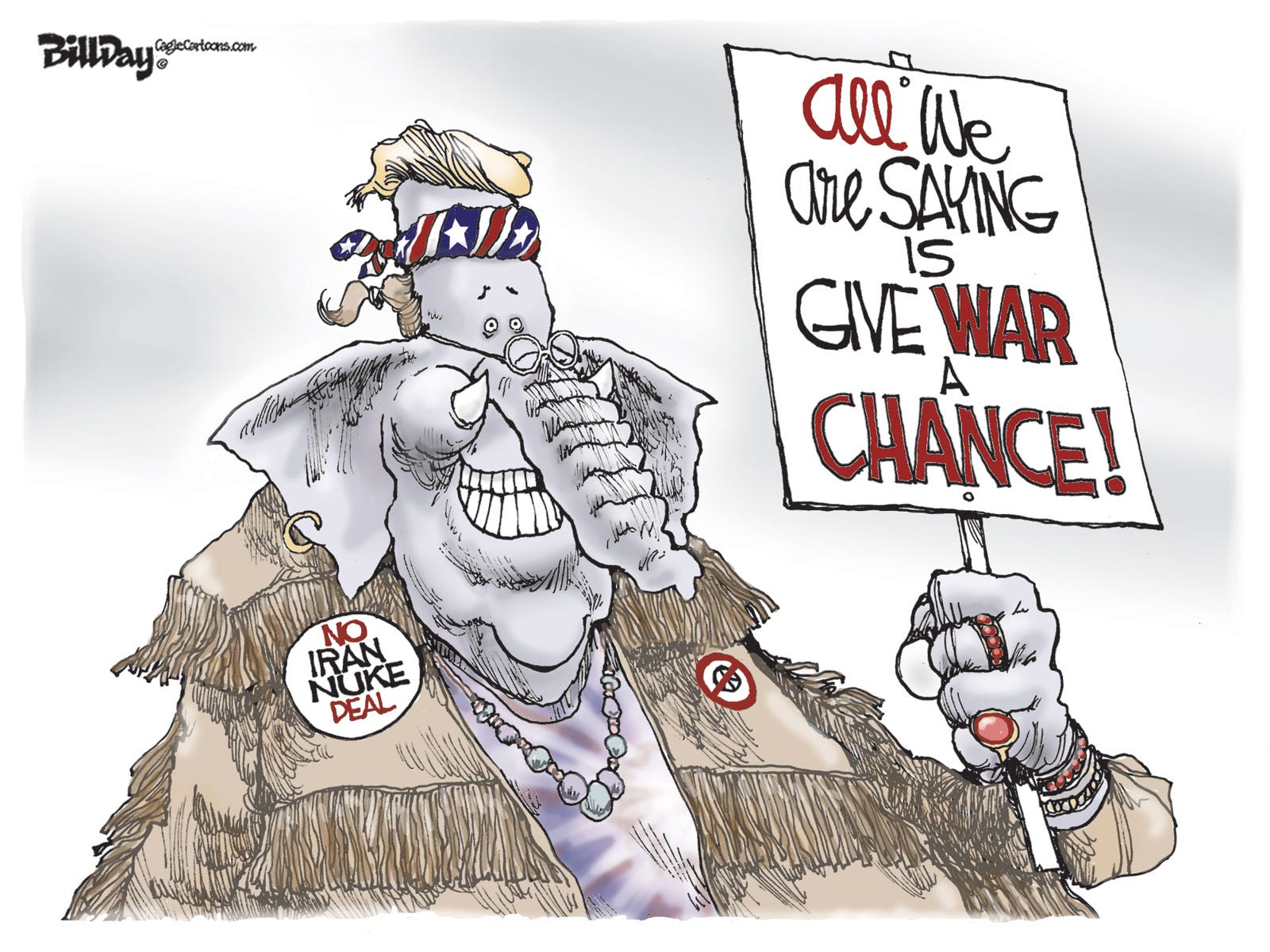
Iran possesses the capabilities to inflict a great deal of pain on her enemies, including the US. Drones, cyber attacks, proxy forces, affiliation with US gangs and of course, state-sponsored terrorism. Iran has a long and often successful history of wielding painful lessons to those she believes her enemies. Their methods include but are not limited to the types of threats listed above. We must take these threats seriously but to date, not a single public advisory has been issued by DHS or the FBI according to Bruce Hoffman, a senior and deeply experienced US counterterrorism expert.
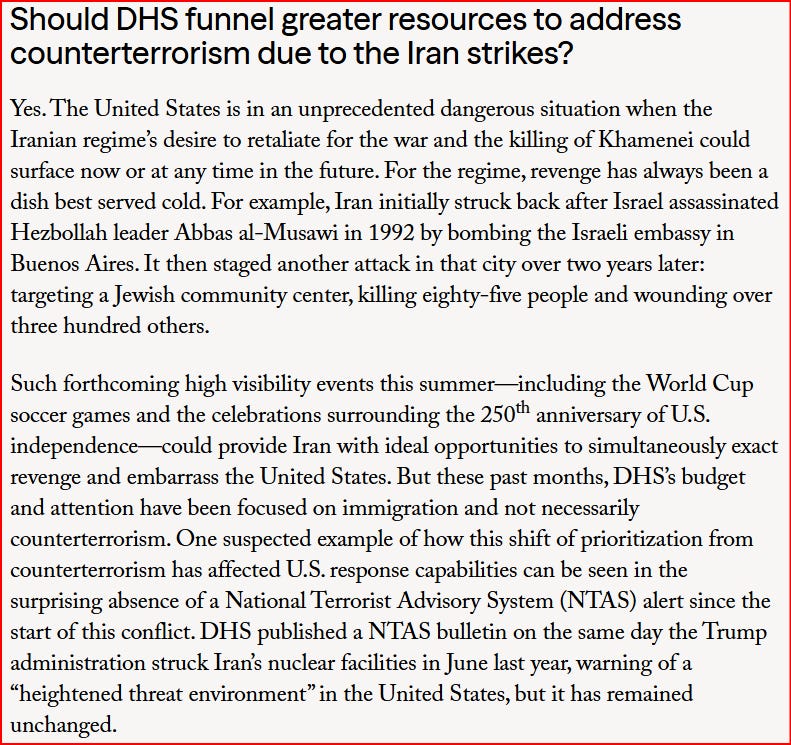
The bottom-line assessment is that the US homeland, is largely unprotected due to Trump administration purges, firings and senior experts leaving DHS, the FBI and other key roles in our national security. Even the FBI’s Iran Threat page on their website hasn’t been updated since the beginning of the current administration.
"DHS officials have not issued an updated National Terrorism Advisory since the most recent one expired in September. And they have not published a Homeland Threat Assessment, an annual report which highlights “the most direct, pressing threats” to the nation, since President Donald Trump took office."

- DHS silent on threat status amid war in Iran, spate of violent acts
- Washington Post
- By Maria Sacchetti
- March 16, 2026
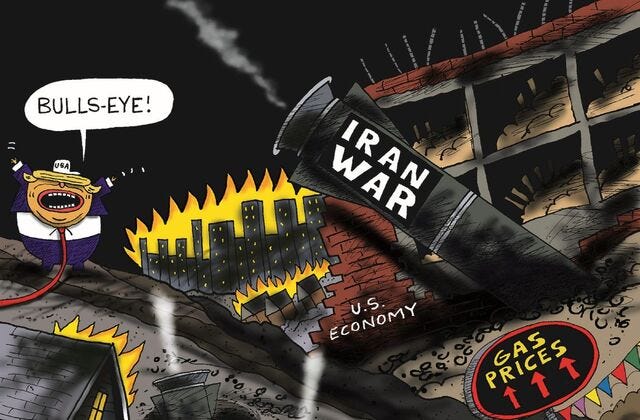
It’s not just the threats to the homeland either. Every single day, the situation becomes more dire for the US, our allies and especially the Gulf oil states, who suffer attacks nearly every day. This does not bode well for the driver of the global economy. In a March 11th assessment by David Lubin, the Michael Klein Senior Research Fellow, Global Economy and Finance Programme of London-based Chatham House, often considered the world’s most respected and non-partisan policy institute and think tank, he laid out some particularly concerning impacts on portions of the global economy, due to the war with Iran. A few excerpts are found below in quotes.
- "The heaviest burden will inevitably fall on the region itself. History offers a guide. During the 12-day war last summer, Israel’s economy contracted by around 1 per cent in the second quarter. If the conflict is short-lived, a fall in output of a similar order of magnitude would seem plausible for both Israel and the Gulf economies.

A more prolonged conflict would almost certainly inflict a deeper economic wound. Output would be disrupted, investment postponed and tourism curtailed. Iran’s economy will be hit even harder. Based on the impact of wars elsewhere, GDP is likely to fall by more than 10 per cent – although Iran itself last published official GDP data in 2024."

- " Around a quarter of global seaborne oil passes through the Strait of Hormuz, along with roughly one-fifth of liquefied natural gas (LNG) shipments. Any disruption to transit through this narrow chokepoint has immediate consequences for global energy markets. Unsurprisingly, oil and gas prices have jumped since the conflict’s start as shipments through the Strait have collapsed."

- "The scale and persistence of the energy shock will ultimately determine the macroeconomic impact. For energy-importing economies, the main transmission channel is likely to be via inflation. Higher oil and gas prices raise the import bill faced by households and firms, squeezing real incomes and eroding purchasing power."

- "A more severe scenario in which the conflict persists for several months could see oil prices rise to around $130 per barrel before declining in the second half of the year. At a global level, the hit to growth would be modest, though the impact would be felt unevenly across regions. The euro-zone economy would probably contract in Q2 and then flatline over the second half of the year."

- How will the Iran war affect the global economy?
- Chatham House
- David Lubin
- March 11th, 2026
Remember that Lubin made these statements two and half weeks ago, and at the time believing the duration of the conflict would be relatively short. This is no longer the case. He referenced a couple of key items regarding an extended war. First, he believed that a relatively short war would allow the US economy to absorb much of the negative aspects of an economic disturbance. One aspect of even a minimal disruption, was that further Federal Reserve cuts to interest rates would likely be curtailed, therefore costing Americans more of their household budget.
One element of the economy that we don’t often hear about is, “the consumer sentiment. index?” This index begun and sustained at the University of Michigan since 1946, is a monthly look at and measurement of consumers’ feelings about their financial security or outlook towards the future. In an Investopedia article just this past Thursday, it revealed that the index dropped 6% in March and is now at its lowest point since December. This bodes poorly for the economic outlook, now undercut by the disruptions from the Persian Gulf war.
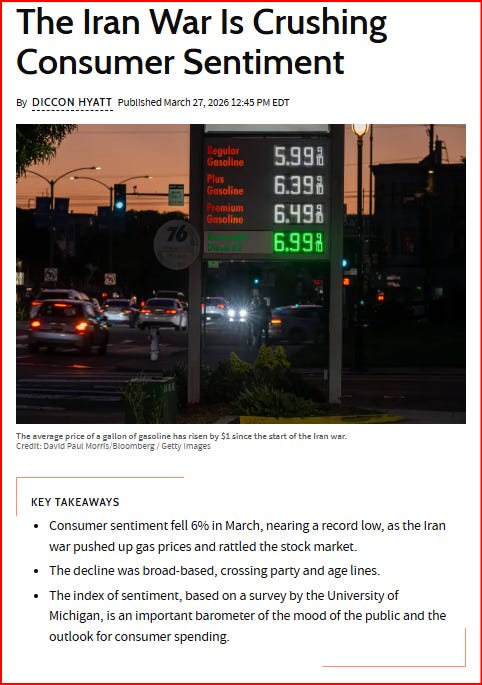
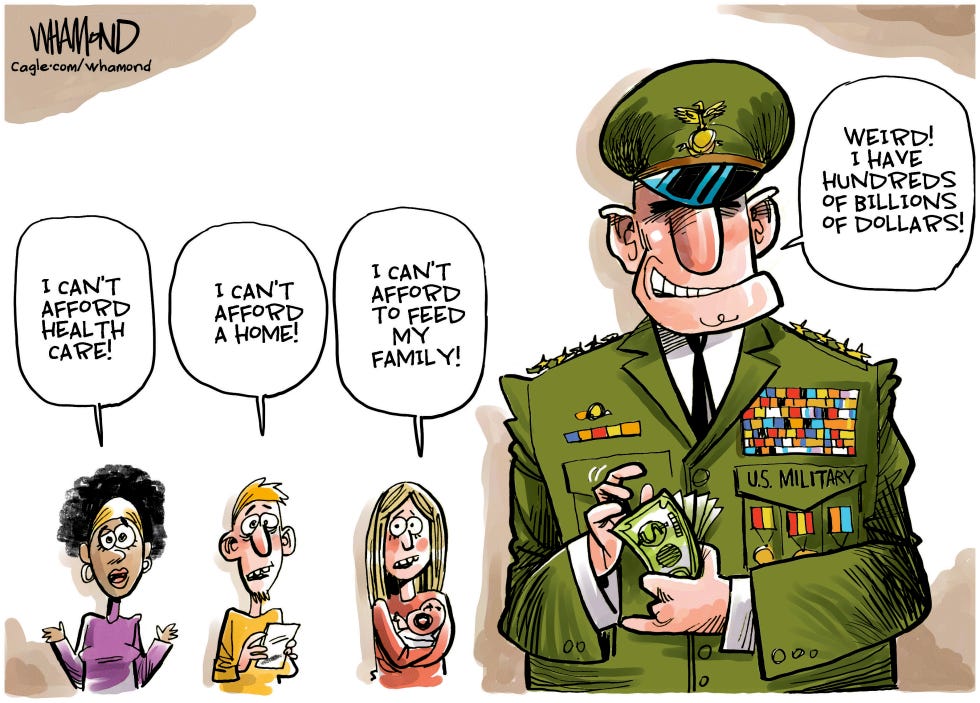
The longer this war continues, the worse it gets for much of global economy and ours here in the US where inflation already has households making tradeoffs just to make ends meet. This is reflected the now tanking approval ratings of the administration and the GOP-led US Congress, who has refused to rein in their leader. Even recent polling on the war shows that only 20% of Republicans support putting troops on the ground.
Last night, the Washington Post issued a story that is disturbing, especially to those of us who have “been there and done that,” in our forever wars. I will let the headline below speak for itself.
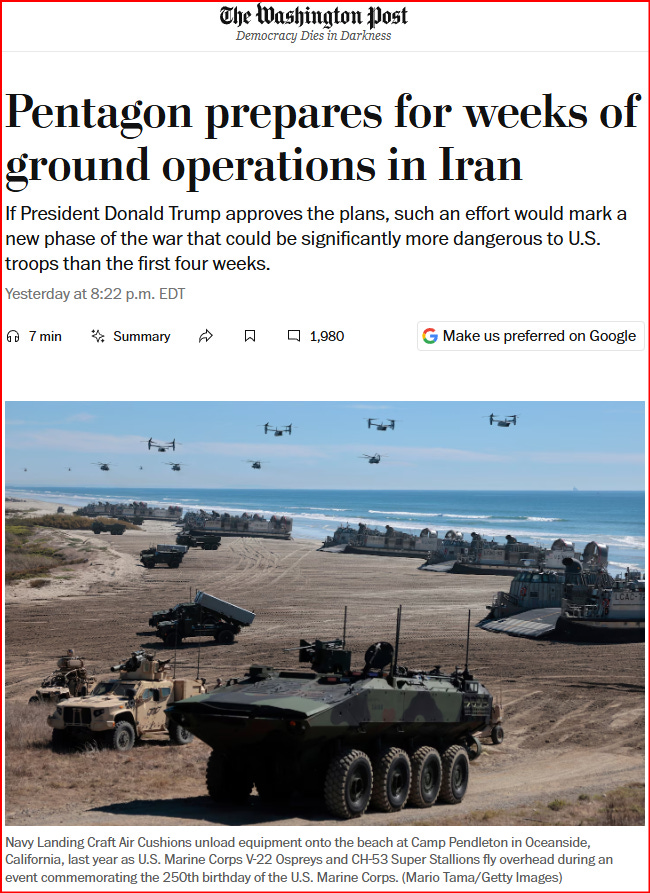
To make matters worse, the IDF in headlines from the Times of Israel says that Israel has nearly completed its assaults on critical targets in Iran. This leaves the US to go it alone on the ground in Iran. The Trump administration claims this to be a limited effort of a few weeks but then again, we hear different messages from them on a near hourly basis. Again, our strategic objectives are still cloaked in the fog of utterly dishonest and dangerously incompetent senior leaders at the Department of Defense, Department of State, the IC/ Intelligence Community and of course, the White House.
As for the status of the war itself, I refer you to the screenshot below from the Institute for the Study of War. These “key takeaways” are part of a daily issued full report on the war and highly recommended reading. The link is in the caption below the graphic.
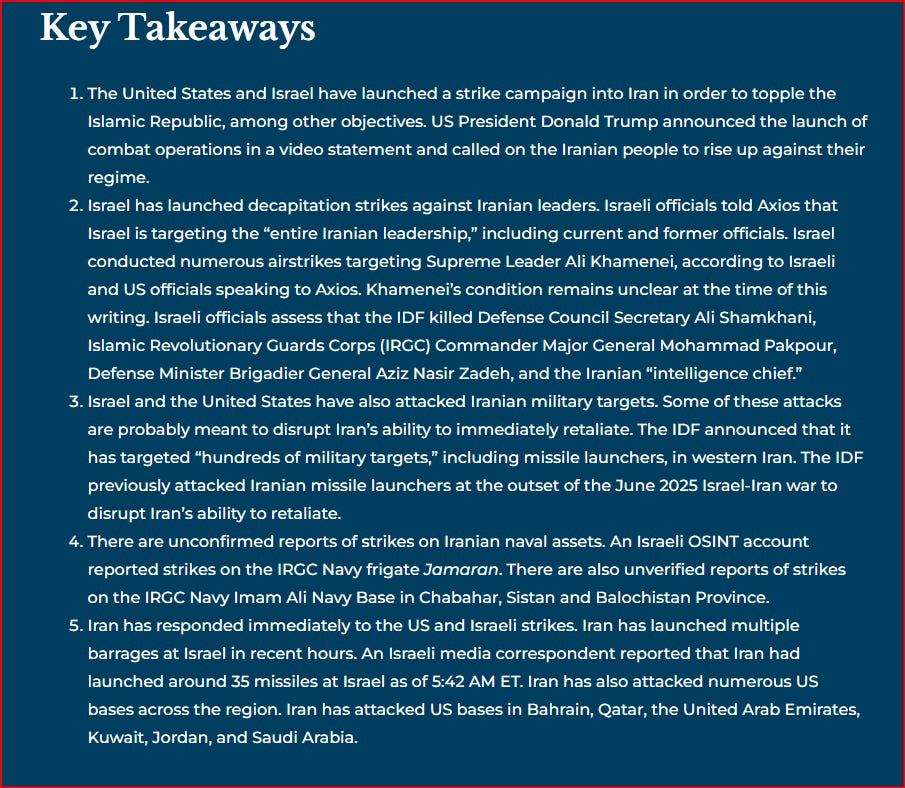
At the rate of burning a billion dollars every day, seriously depleting our high tech munitions stockpiles and having to replace them by taking them away from our Pacific Command whose job is to hold China at bay, leaves the US vulnerable to our most capable foe. This raises another critically important element of Iran now having a “trump-card.” Yesterday, the Houthis in Yemen and at the southern end of the Red Sea, which is the Southern mouth of the Suez Canal in Egypt, announced that they were rejoining the fight in support of Iran. The Houthis, a smaller and different version of Shia Islam are dedicated allies of Iran.
We all recall how much damage they did to commercial shipping by targeting vessels attempting to pass their vantage point Bab al-Mandab, a shipping chokepoint not dissimilar from the Strait of Hormuz. Simply put, this means that Iran and their ally the Houthis have the ability to shutdown commerce in two of the world’s most important commercial waterways. So now, the US will be alone and without allies in the ground war, unless our NATO allies who have been horribly abused by both Trump administrations, change their minds. This isn’t likely based on Trump’s refusal to explain what his objective are to them nor us.
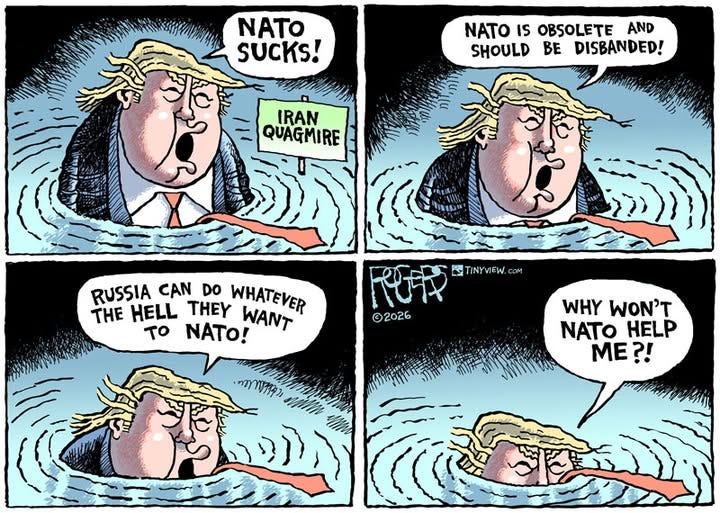
The final point is a big one that makes our situation and the world’s, more precarious. China and Russia are both now assisting Iran, to include targeting information against US troops on the ground within the region. I will go into more depth on this critical factor in a later essay and for the simple reason, it will take another whole essay to put this threat into perspective. In the space of fourteen months, Trump, enabled by an entirely spineless and sycophantic GOP congress, has managed to isolate the US from our traditional national security allies.
For all intents and purposes, when Israel is finished with their objectives, we will be alone, despised and painfully dangerous to the entire globe. I have plenty of words to describe this unnecessary predicament but none are printable in decent company. I don’t wish to tempt myself any further with adding those words and will now end this essay.
I wish everyone an amazing Sunday and look forward to sharing again next week.
Cheers,
Paul
The situation you outline, Paul, is indeed bleak and worthy of a number of impolite words. I thank you for your Herculean efforts to keep us informed, and I pray for the chiseling of our concrete Congress daily.