

TAT readers,
I had a few minutes today and thought I’d send out a note to tell you what I’ll be paying attention to as we begin the week. Of course, this administration’s propensity to toss a chaos grenade into the news cycle is always a concern, but a couple of issues are worthy of a close follow in the long run. When operational during my career in the military, prioritization and multi-tasking were essential skills. During operations, we focus intently on the tasks at hand but also, must never lose sight of long term goals or ongoing high priority issues that would adversely affect those goals. Today’s essay is about a couple of those high-priority issues that could adversely impact our goals.
In the US these days, our core goal is to restore a functioning and law-abiding government, based on and adherent to, our constitution. The two “keep an eye on” issues for me this week, revolve specifically around our national security and adherence to our constitution, hence being a high priority for me to follow. Those issues are 1. Greenland and related US threats against other western hemisphere nations and NATO nations, and 2. the issues surrounding the administration’s abusive immigration operations. What specifically makes both of these issues high-priority, is that both could possibly constitute a constitutional crisis.
First, Greenland and related issues
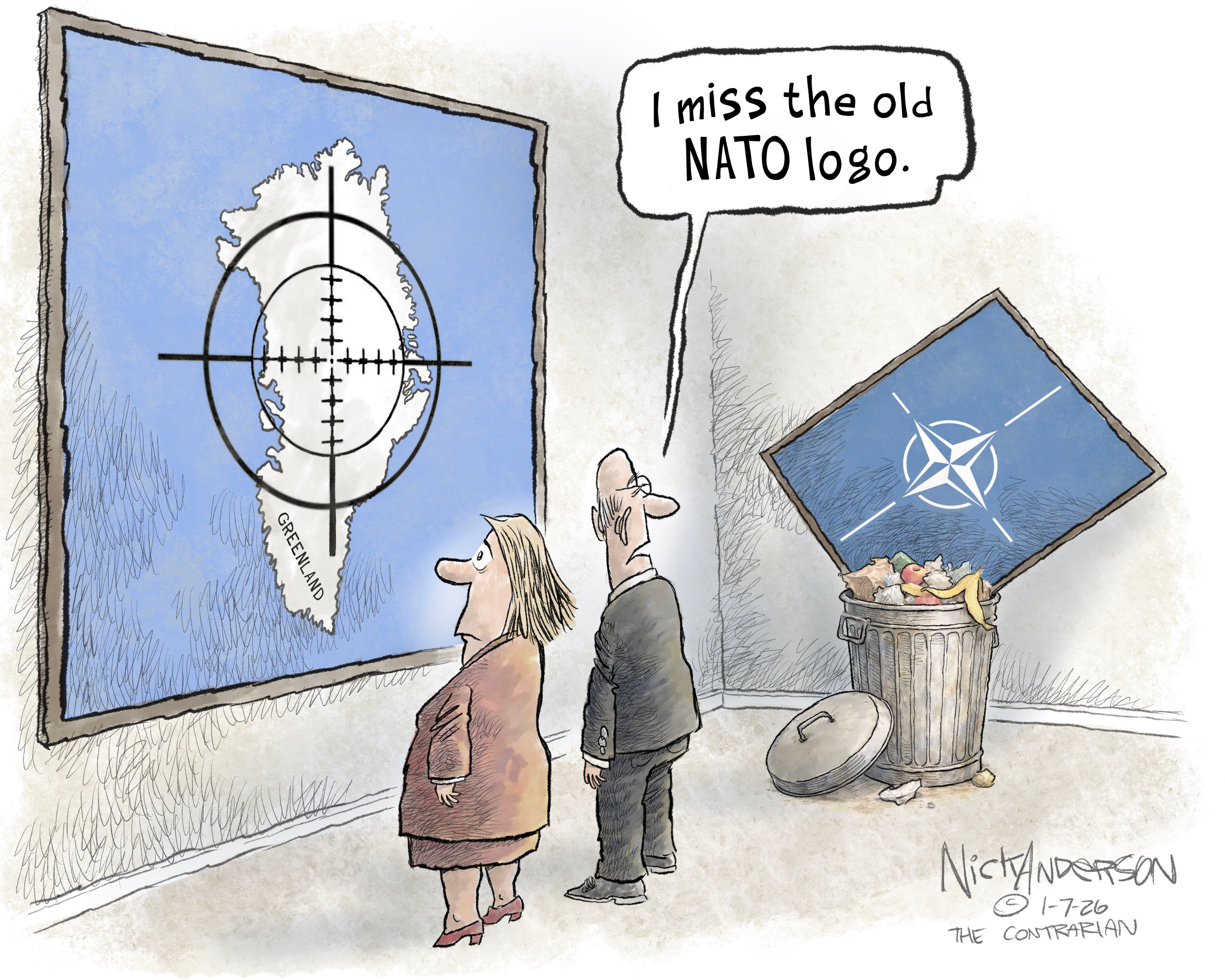
Many believe that we are already in the midst of such a crisis, but should we take any military or overtly coercive action against Greenland/ Denmark, it brings about the most disturbing of possibilities for US and European security. Not only would NATO be at risk as an institution, but the associated tremors will rock the EU as well. This leaves them both open to Russian aggression, if and when Putin can extricate himself from losing in Ukraine. This is something that the Trump administration is assisting him with, and not to the benefit of Ukraine. Any action against Greenland and Denmark means that we will have violated our treaty with NATO, unless we resign from the alliance first.
Ironically, breaking NATO apart as a collective defense against Russian and Soviet aggression since 1949 when NATO was first formed, has always been a primary Kremlin goal. During the Cold War, the Soviets wielded complex influence campaigns against the west called Active Measures. Their goal was to disrupt the cohesiveness of NATO and its member states. Much of that effort can be seen today in how divisive we are over so many topics. Those divisive topics were the seeds planted in pre-existing social divisions in order to divide America so deeply, that they wouldn’t be able to defend ourselves from Soviet, now Russian influence. Our 2016 election is proof of how well Russian influence operations worked.
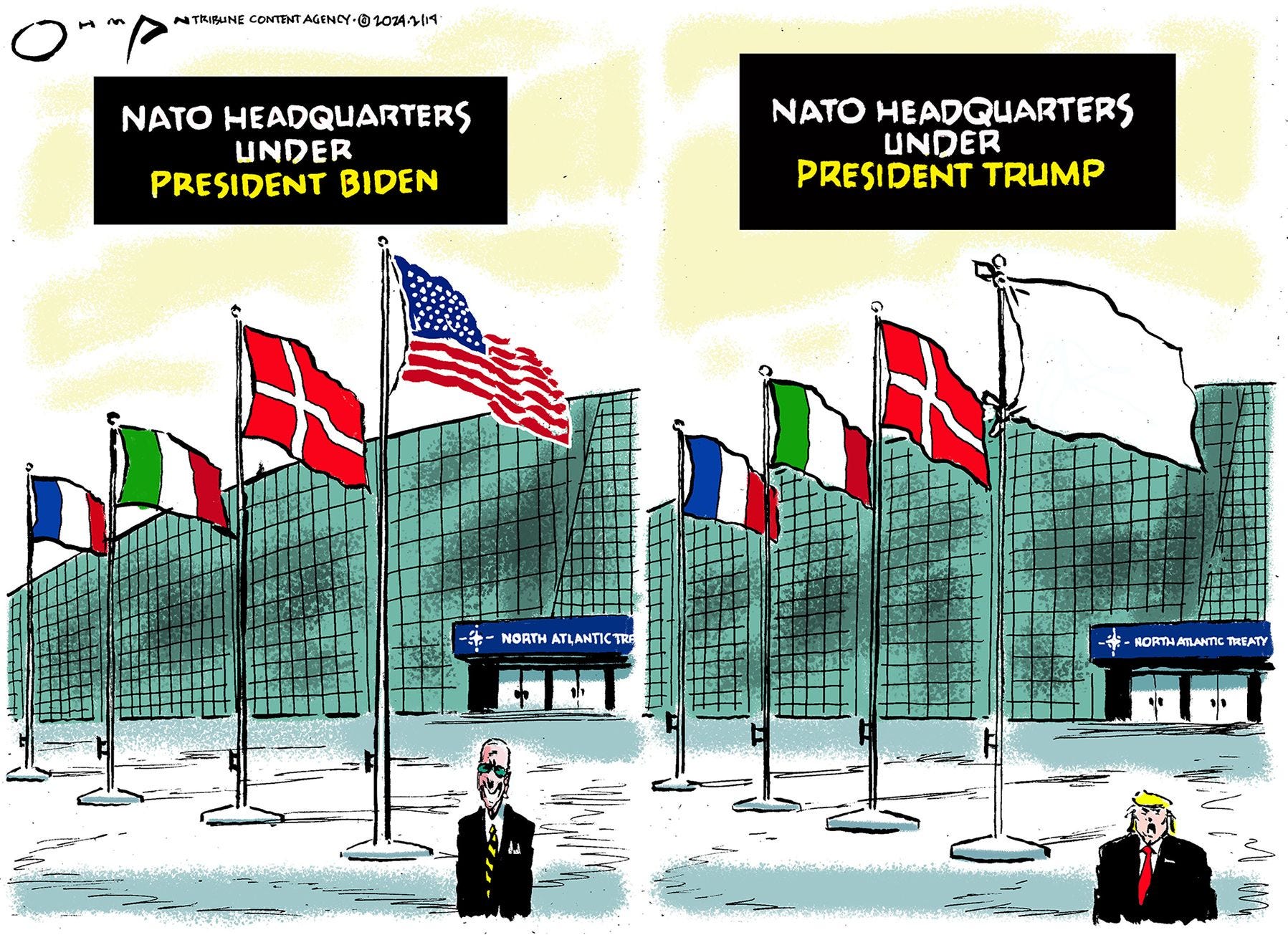
Trump destroying NATO is one of Putin’s top fantasies. Who knew that the US, a founding member of NATO, would be the one to destroy it, plus please Putin at the same time? The loss of a NATO alliance leaves the US alone in the world against non democratic and authoritarian aggressor nations. This alone is reason to watch Greenland carefully.
It’s not just Greenland either. Venezuela was the first victim in a string of victims to establish full US dominance over the entire western hemisphere, as part of a new, trilateral world order under the US, Chinese and Russian governments. Trump-styled imperialism would require significant violations of the US constitution, therefore, making it a primary threat and must-follow issue.
Onto the immigration raid madness and what makes them so dangerous
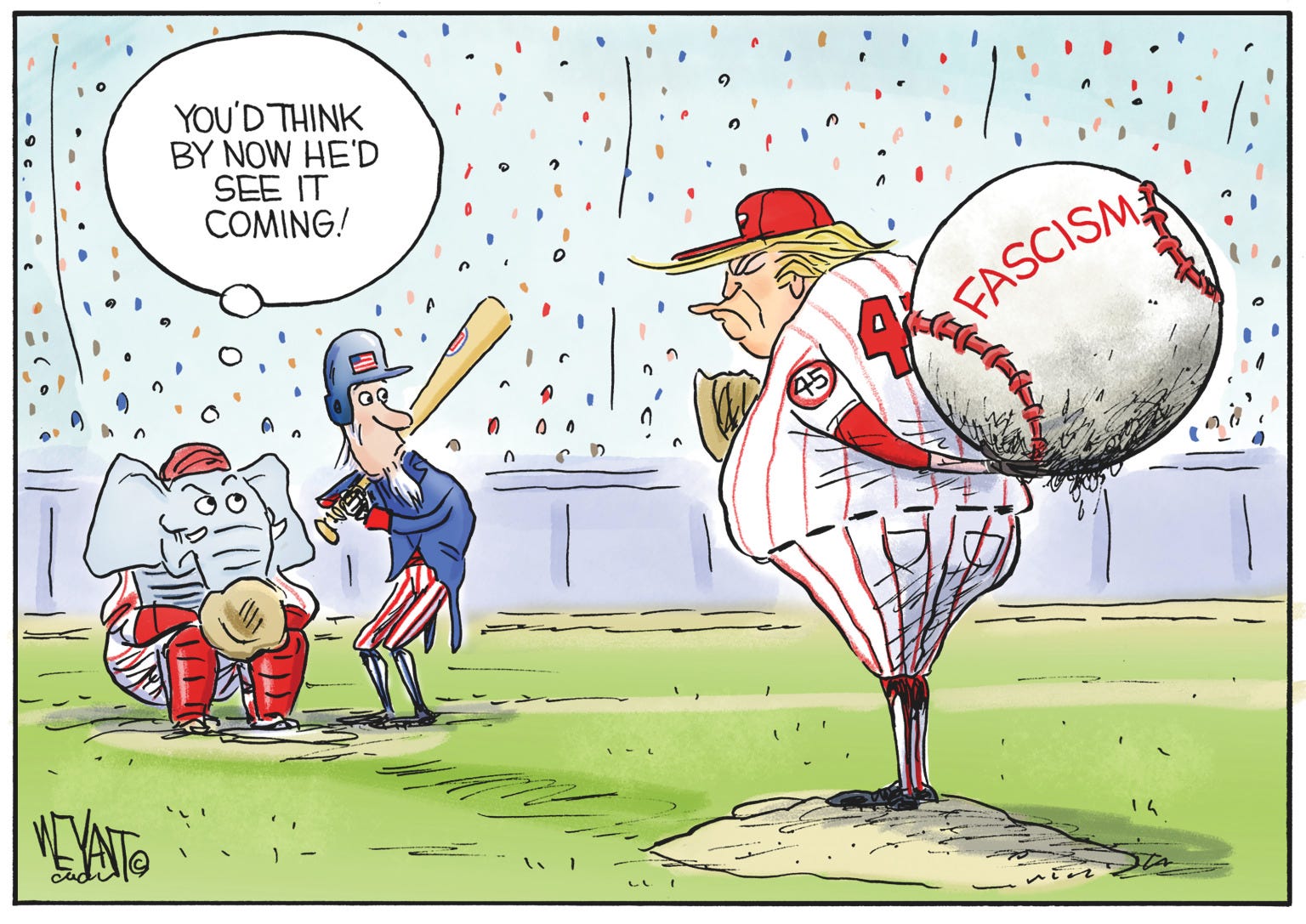
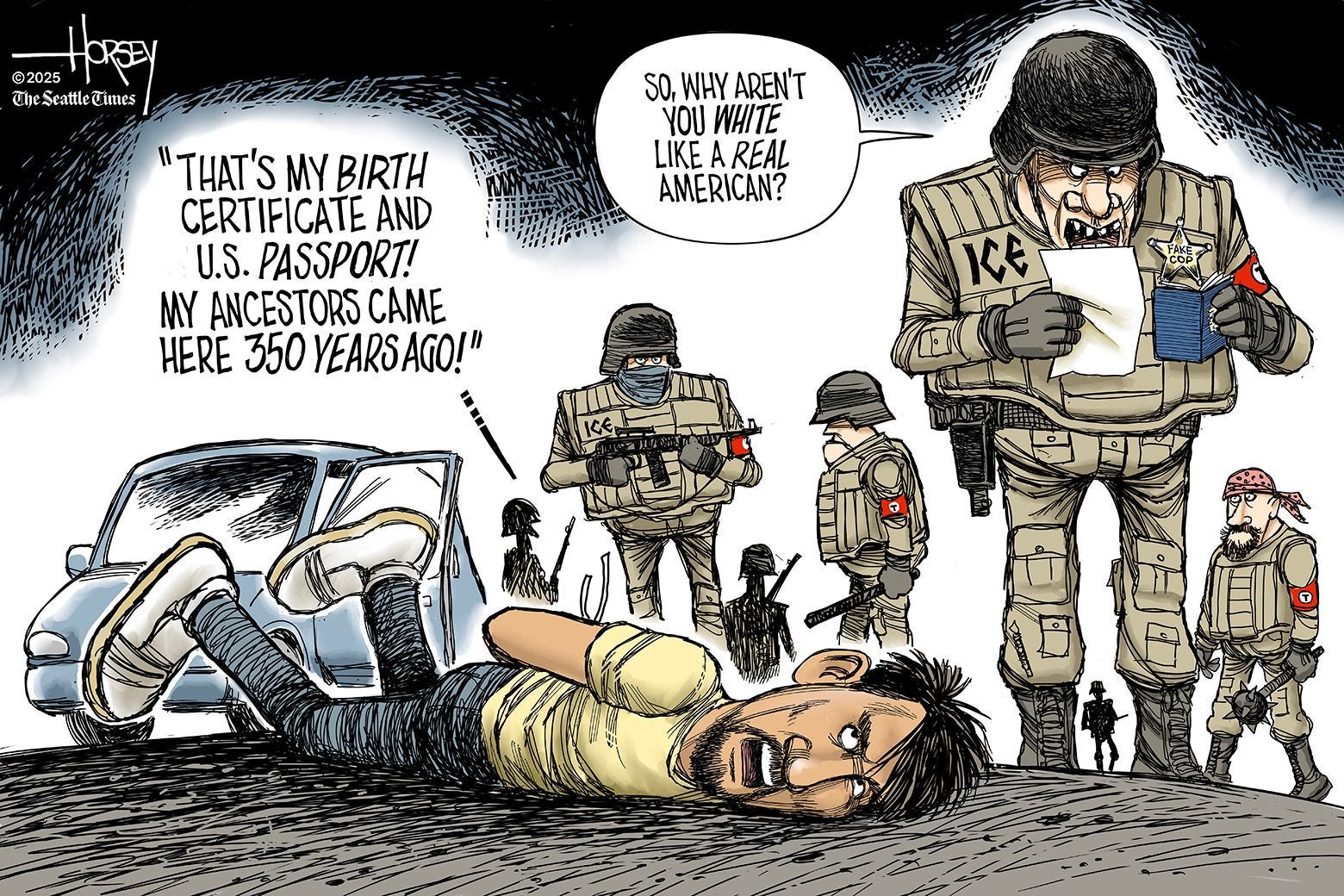
First and foremost, let’s make it clear that what we are witnessing in our streets from ICE, is illegal and unconstitutional. Well, at least it would be under a moral SCOTUS. Still, not all cases have been decided regarding the cases originating from the incessant and and increasingly violent, ICE and other agencies’ behavior in our streets.
At this point, no one needs to explain the details of what we witness daily from ICE operations. The evidence is conclusive as to their intended brutality, failure to obey the law, court rulings etc. It is also clear that America has had enough. This makes these operations a flashpoint, that justifies the administration’s use of the Insurrection Act, a narrowly used and defined power for presidents to use federal troops on domestic soil. This segues nicely into the insidious reason that this Republican administration wants to employ the Insurrection Act, which is to continue conditioning us to having federal troops in our streets and based on ICE’s brutality, to also condition us to further brutality from all federal entities deployed by the administration.
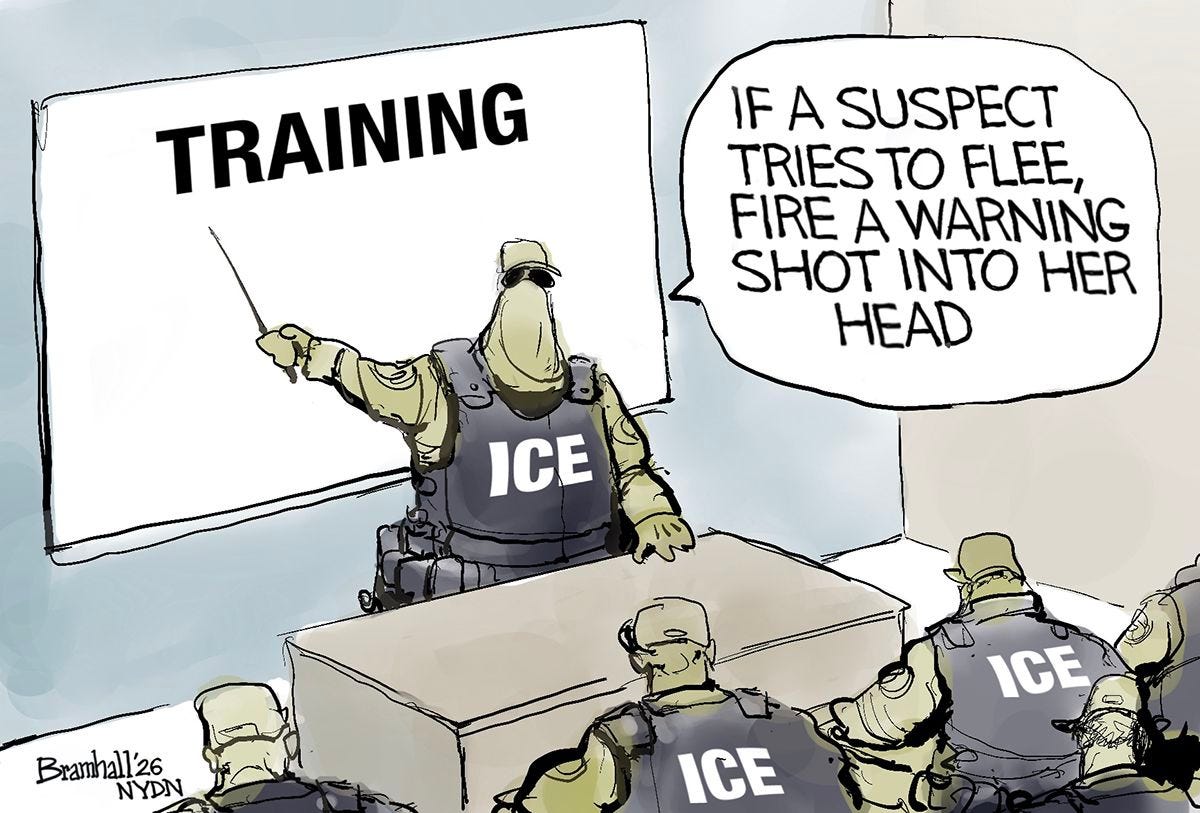
Be assured, proactive violence by federal officers carrying out legally questionable and violent operations against citizens and residents, is illegal. Rest assured that detainees rights are violated every single day, without accountability. Rest assured that none of this represents the very principles our nation was founded upon. This is what makes the issue of violent immigration operations executed by federal officers and maybe active duty troops, a huge constitutional red-flag. We must always pay attention to these severe constitutional threats.
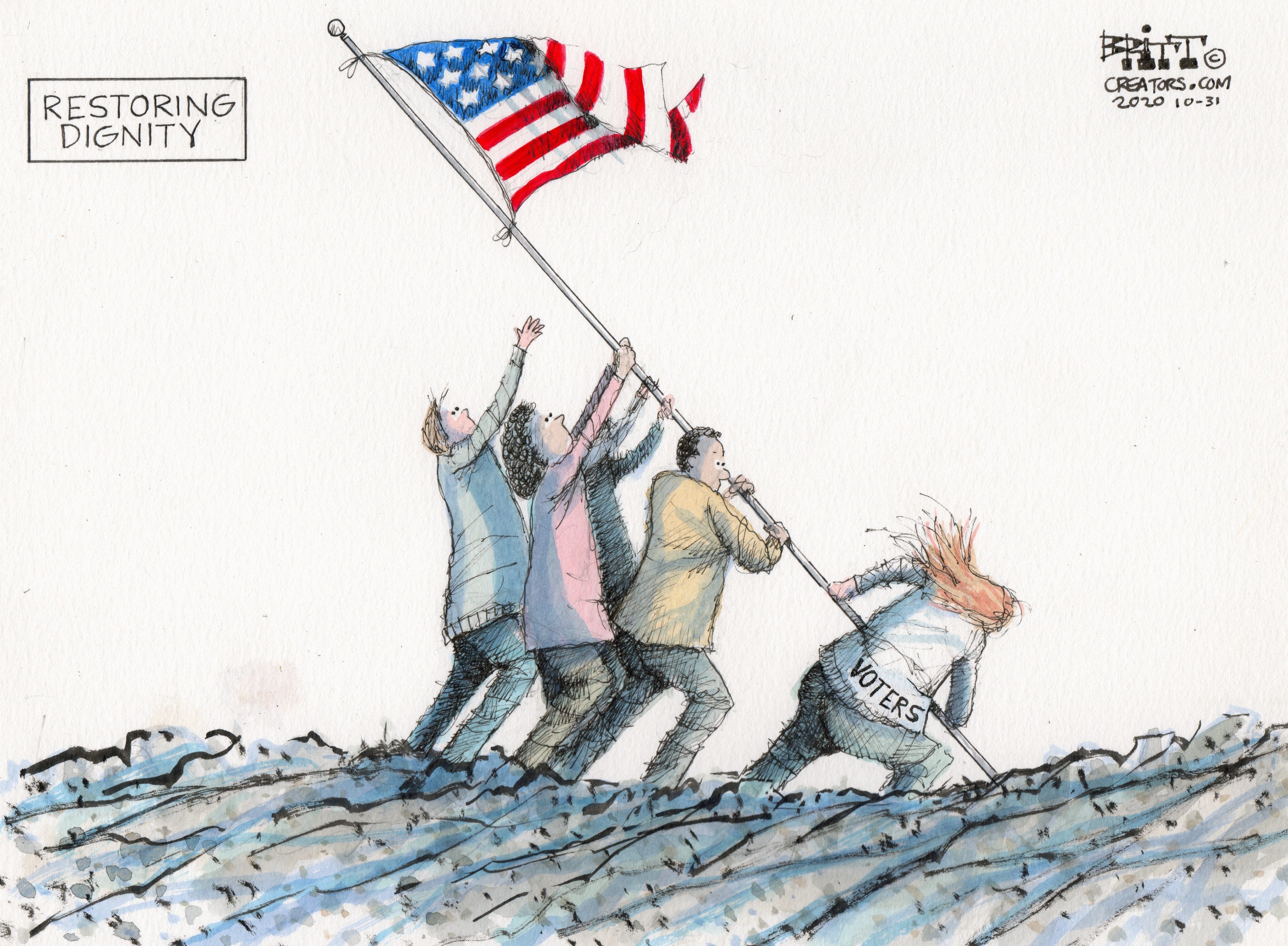
Summary: A line in the sand, for all Americans
As noted earlier, I fully expect the administration to toss a couple of more chaos grenades into our week, but these two topics will continue to receive my attention. Should any major developments occur regarding either, I will try and get back and address them.
I want to leave you with something that I believe with my whole heart. I have always said that I believe there to be a “line in the sand” of sorts, in every American, right, left or otherwise. By this I mean, that there are lines that cannot be crossed by politicians or other high-profile individuals or organizations. That line is not easy to define but among its traits are things like, decency, honor, integrity, honesty, compassion and a whole long list of other good attributes, but especially those that evoke our founding principles. The cruel greed that we are all watching from this administration, has moved many Americans to the side of the line that says, “enough is enough.”
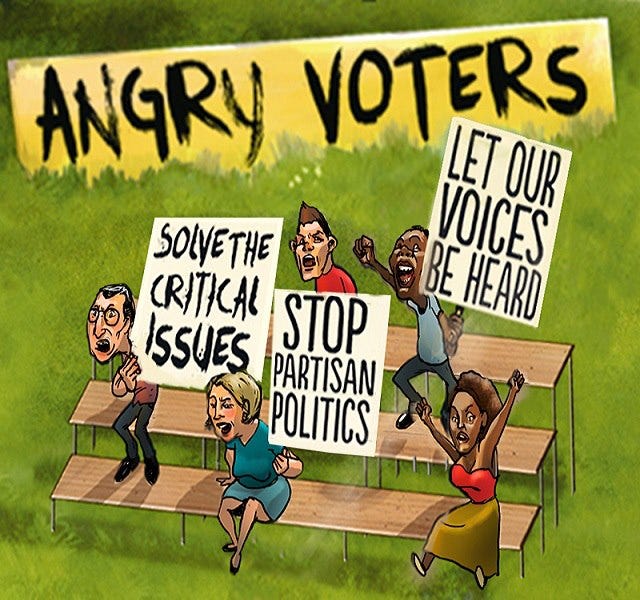
When one considers that there are roughly only 30% of Americans that are hardcore MAGA GOP supporters, this puts the numbers in our favor. We must though get the apathetic voters to see that they also are not safe, so long as our nation is run by those currently running it. We must make everyone see, that they too have a line that cannot be crossed and then help them see that it was probably crossed long ago. Once people realize that their core values have been shredded and their personal civil rights encroached on, they tend to see things far more differently and I might add, defiantly.
The last thing I will say this evening, is that some of what I have written tonight, I could have never imagined putting into print. The idea that we have a committed and vain fascist in the White House, supported blindly by the entire Republican Party, and a rabid, brainwashed base capable of violence, never would have crossed my mind. To write that my expertise tells me that the world is headed for a triumvirate government run by Russia, the US and China, I would have thought science fiction. To say that the US will fully control the entire western hemisphere, laughable. Old systems of analysis no longer matter. We must now look at the facts and do the math ourselves. The lesson I’ve learned and now apply to all of my analysis is that, the only safety net for our republic, is ourselves. It’s why I write.
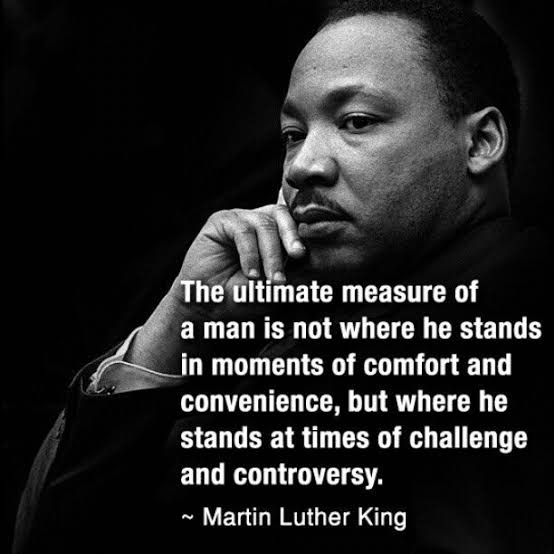
I thought it appropriate to end today’s MLK birthday essay, with one of my favorites of his quotes. It is a quote that I live by.
My very best for your week,
Paul
Hi Paul,
Here is a proposal to resolve the Greenland "crisis:" Copenhagen gives Washington Greenland and in exchange we give Denmark California. And to sweeten the deal, Washington will waive the closing costs.
On a more serious note, this analysis by Amit Suresh Jha provides clear-eyed analysis of the growing strategic importance of Greenland to the security concerns of the United States in the far north without the ridiculous anti-Trump sideshow screeds. Jha highlights this developing dynamic in modern global geo-politics: Political borders matter less than strategic proximity--Greenland is closer to New York City than it is to Copenhagen.
Why Greenland Has Become a Global Red Line — A Strategic Wake-Up Call for the World
Amit Suresh Jha
Global Pulse | India Lens
January 16, 2026
The recent remark by the U.S. President that “Greenland under Denmark’s control is not secure for America’s future” should not be read as a diplomatic outburst or a territorial provocation. It is, in fact, a strategic signal — one that reveals how global power, security, and economic priorities are being recalibrated in the 21st century.
Rather than viewing this moment with alarm, it is more constructive to see it as a wake-up call for strategic preparedness, cooperation, and long-term thinking.
Greenland’s Strategic Reality: Geography Meets the Future
Greenland is no longer a peripheral landmass on the global map. Geography, once static, is now dynamic.
Approximately 3,000 km from New York
Roughly 3,500 km from Denmark
From a security and logistics perspective, Greenland is deeply embedded in the North American strategic ecosystem, even while remaining politically linked to Europe.
This highlights a modern truth: political borders matter less than strategic proximity.
Security, Technology & the Arctic Frontier
Greenland plays a silent but crucial role in global security architecture:
Hosting advanced early-warning and missile-tracking systems
Acting as a forward shield for space and aerospace monitoring
Serving as a gateway to emerging Arctic sea routes, unlocked by climate change
For United States, Arctic stability is not optional — it is foundational to homeland defence. For the global community, it represents a shared security commons that must be managed responsibly.
Critical Minerals: The Invisible Power Lever
Beyond defence, Greenland’s subsoil holds the keys to the future.
Its reserves of rare earth elements are essential for:
Semiconductors and AI hardware
Defence and aerospace systems
Electric vehicles and battery storage
Renewable energy infrastructure
This places Greenland at the intersection of strategic competition involving China, Russia, and Western economies.
Importantly, this competition need not be confrontational. Handled wisely, Greenland could become a model for transparent, sustainable, and cooperative resource governance.
A Shift in U.S. Strategic Language — And Why It Matters
The stronger tone from Washington reflects a broader global trend:
Security and economics are now inseparable
Supply chains are treated as national assets
Strategic regions are defended before crises emerge, not after
This is not about coercion alone — it is about anticipation and deterrence. The message is clear: strategic vacuums will not be allowed to form.
NATO & the European Union: A Moment of Strategic Maturity
Greenland has quietly become a stress test for Western institutions.
NATO faces the challenge of aligning internal political sensitivities with collective Arctic security.
The European Union must decide whether it can protect strategic spaces with unity and foresight.
This moment offers an opportunity — not a threat — for Europe to strengthen its strategic autonomy while reinforcing transatlantic trust.
India Lens: Constructive Lessons for Emerging Powers
For India, Greenland’s story carries powerful lessons:
Strategic relevance is shaped by capability, not geography
Control over critical minerals and trade corridors defines future influence
National security today blends diplomacy, economics, technology, and defence
India’s expanding Arctic engagement, resilient supply-chain strategy, and emphasis on strategic autonomy align perfectly with this evolving world order.
This is not about choosing sides — it is about being prepared, diversified, and foresighted.
The Bigger Picture: From Reaction to Readiness
Greenland is not about ownership. It is about stewardship of the future.
Whoever ensures stability in the Arctic today will help shape:
Tomorrow’s global trade routes
Future defence architectures
The backbone of next-generation technologies
The global system is gradually moving from a rules-centric model to a reality-centric one — where interests, resilience, and cooperation coexist.
Greenland is the red line not because of conflict — but because the future is being quietly drawn there.
V/R
Doc B