

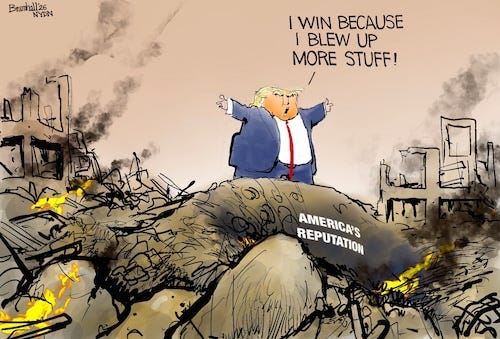
TAT readers,
Today, we’ll explore the relatively limited information that is slipping out into the publicly available news about a so-called “peace deal” with Iran.” Until there’s more in writing we won’t know the full extent, but from our current vantage point, it would appear that the US, Gulf states and the region will end up economically, and strategically worse off than they were before the war’s February 28th start date. The situation remains fluid and still fraught with peril, especially regarding Israel and their ongoing operations against Hezbollah and Hamas. In fact, over the weekend, the Bibi and Trump bromance experienced a vulgar spat, emanating of course from Trump.
"US President Donald Trump lashed out at Israel on Sunday after the IDF struck a Hezbollah target in Beirut, angering Tehran and potentially risking the deal Washington is trying to finalize with the Islamic Republic.

Reportedly accusing Prime Minister Benjamin Netanyahu of having “no fucking judgment,” the president also declared that the IDF should be prevented from carrying out any more attacks on any part of Lebanon moving forward, not just Beirut. The suggestion was said to raise concerns among Israeli officials that the prospective US-Iran deal could sharply curb Israel’s military freedom of action.

“This morning’s attack on Beirut should not have happened, particularly on a special day when we are so close to a peace deal with Iran,” Trump wrote on Truth Social."

- Trump says Netanyahu ‘has no f**king judgment’ after Beirut strike – report
- Times of Israel
- By Lazar Berman and Nava Freiberg
- 14 June 2026, 10:38 pm
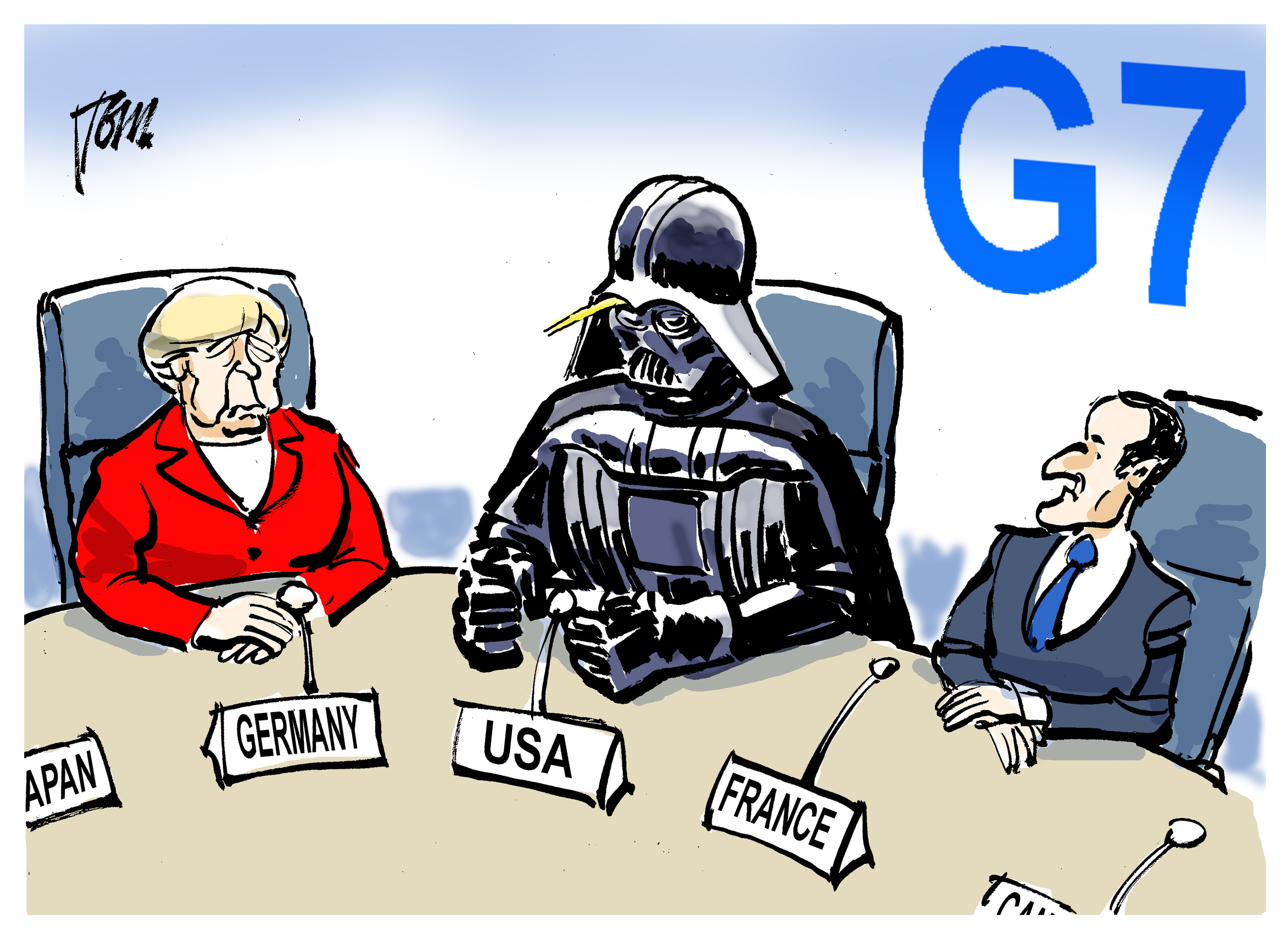
That this agreement was announced just prior to the G7 in France this week, is no mystery. The Trump administration is taking a beating all around the world for so severely disrupting the global economy, something that we here in the states fully understand as well. When monitoring national security issues around the world, I recommend reading credible local or regional news, to add a great deal of clarity, that cannot be found in US and some western reporting. This is especially true under the current administration, who has leaned hard on all US news services, networks and publications to only report positive news about the administration. This keeps a significant amount of critical information out of our hands here at home.
Today I will try and put together a clearer picture out of the slow trickle of information from a widely disparate group of sources. As a spoiler alert, it would appear that we’ve lost this war and are attempting to achieve a face-saving exit. More on this later in today’s essay. Before beginning today’s perspective, I have also listed below, the links to the eight-part series I wrote the first few weeks of the war. For those with interest in these links, please consider them deep background reading. There are never easy explanations for any major event in the Middle East and other closely related regions. A little background is essential for a better understanding the complexity of the challenges that lie before us. As you can see below in Part VII, I declared that we had already lost the war all the way back on April 11th. Now things are even worse.
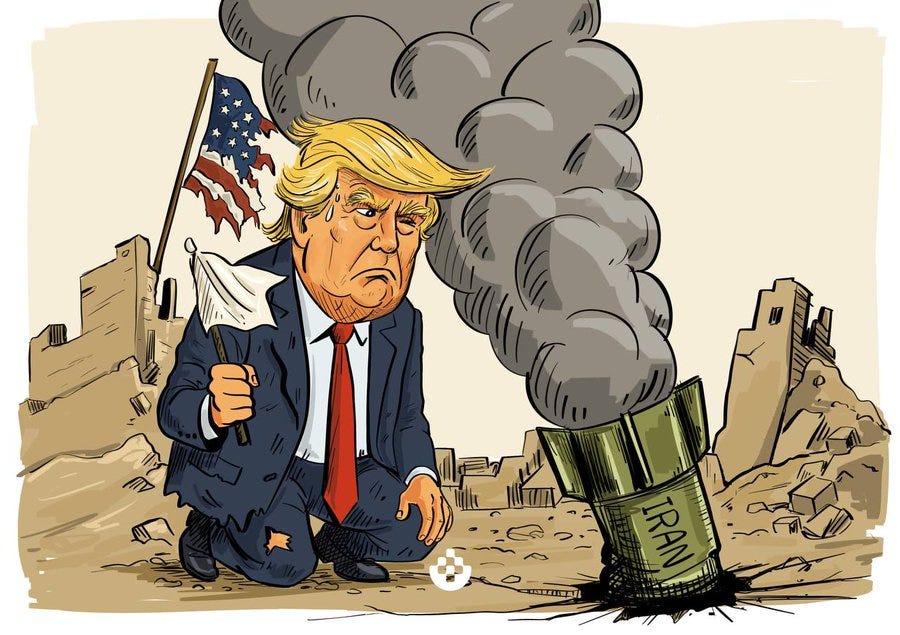
Part 4: the War with Iran leads to grave consequences on a local and global scale
The Iran War, Part VIII: The liars, cowards and thieves, looting our household budgets.
Onward
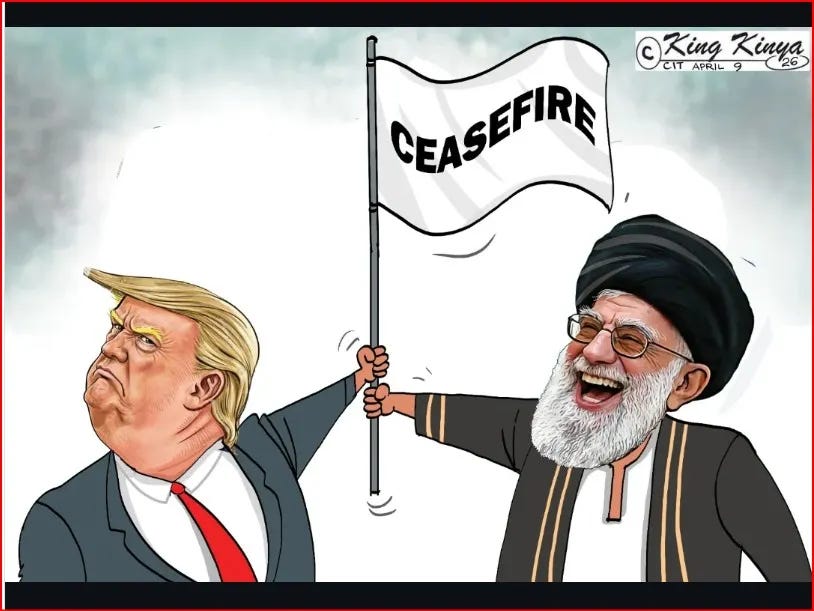
Oh the web of lies that this administration has told about the Iran war. We’ve experienced countless announcements from the White House, most often oriented towards insider-trading opportunities for those close to the administration. The stock market, oil prices and a whole bevy of other commodities have bounced around like a pinball, due to those announcements. Still, the alleged “ceasefire” that really wasn’t, began back on April 8th. In the interim, the world economy has experienced a notable and occasionally severe wound, all of which was preventable ,had the Trump administration made even a cursory attempt to strategize and plan the operation all the way through an exit strategy. They didn’t and now… the global economy and national security situations will remain painful and chaotic for the foreseeable future.
Let’s begin with what we do know, or that which has at least been reported in credible reporting, here at home and abroad. So, what do we call this alleged agreement? Is it an MOU/ Memorandum of Understanding or any of the other names the administration has used, such as a “peace deal,” the beginning of a lasting peace, an agreement and so on and so forth. As you can see from the page one headlines from the Times of Israel below, things don’t sound nearly as “done” as one would believe.
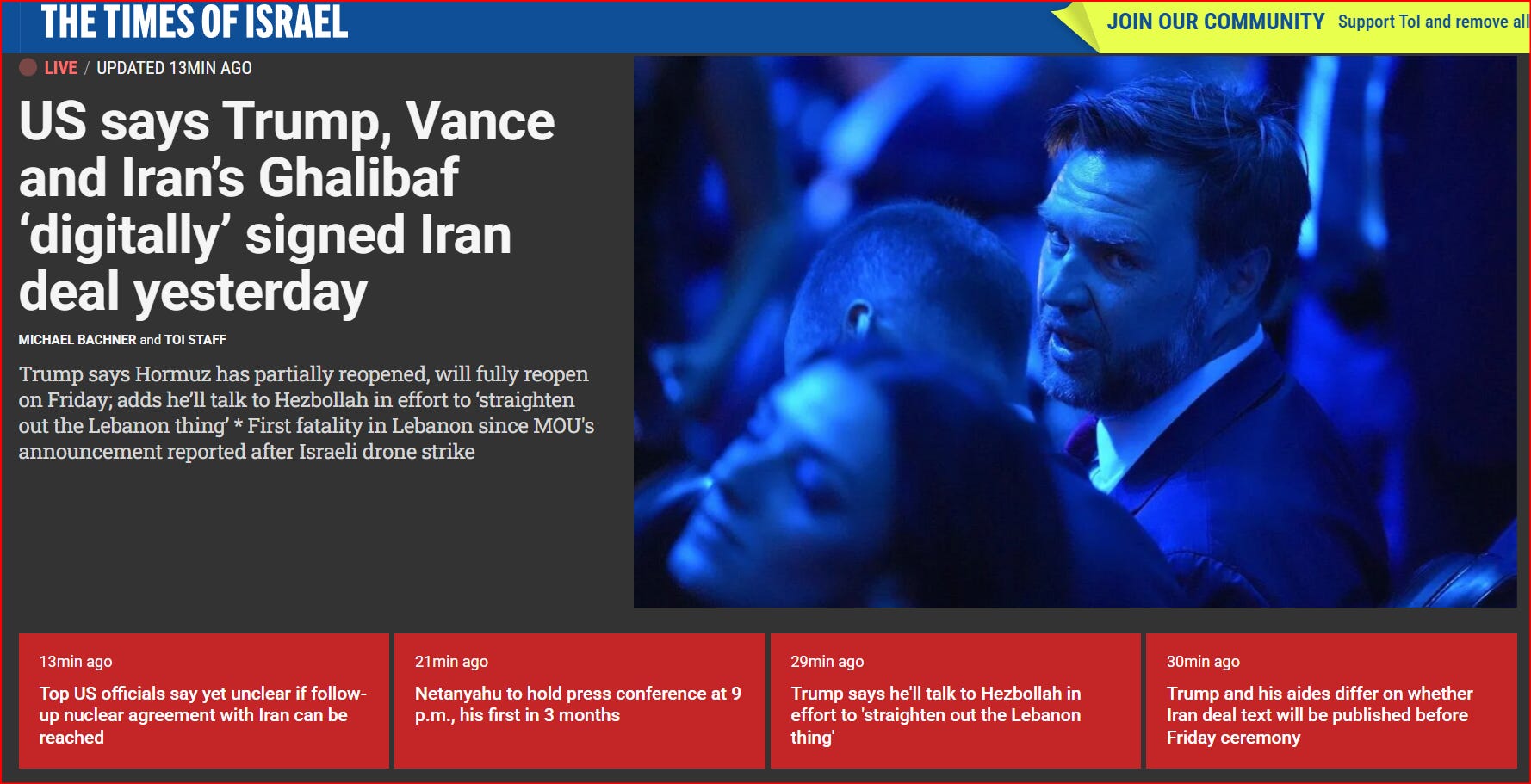
Even the Trump administration can’t get their messaging together. Trump claimed the MOU would be signed yesterday for his birthday. J.D. Vance, claims it’s already signed but most international audiences have been told that it won’t be signed until this coming Friday, in Switzerland. Typical Trump administration chaos where the left hand doesn’t know what the right hand is doing. For the time being, I will believe in the Friday in Switzerland story.
Most government spokesmen at home and in the region, also claim the MOU includes putting an end to the wars that began after Hamas’ terrorists stormed across the border into southern Israel on October 7th, 2023, raping, murdering, torturing and taking hostages. Israel who is central to the entire MOU, currently claims that it will continue to defend herself against Hezbollah in Lebanon and Hamas’ in Gaza.
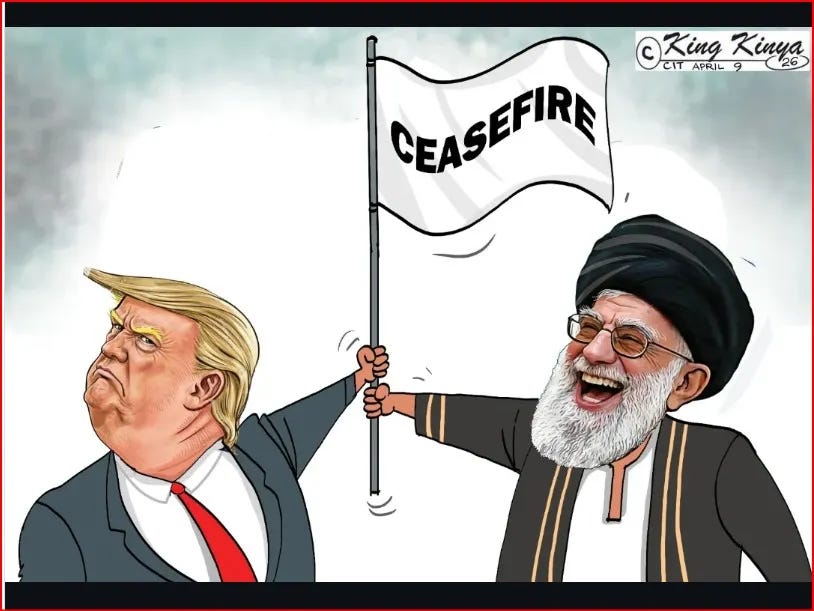
To further complicate the picture, the Jerusalem Times reports an hour or so ago, that the IDF and Mossad do not concur with any such agreement. Israel was excluded from the talks leading up to the MOU. Without Israel’s compliance, the MOU as expressed in reporting, is DOA or “dead on arrival.” My professional opinion is that excluding Israel was nearly as foolish as the first Trump administration excluding the Afghan government from the talks leading up to Trump’s abandonment of Afghanistan, when he signed a treaty with the Taliban to end the war.
Qatar-based Al Jazeera, reports that the MOU is built around 14-points but without any confirmation regarding what those points pertain to. It’s important here to remember that the western side of the Persian Gulf are Sunni Muslims and that Iran, is Shia. This difference means a great deal within Islam in general, but acutely so in the Gulf and greater Middle East. What is called the Sunni/ Shia split dates back to 632 AD and has grown far more contentious with the passage of time. In other words, there is no love lost between the two. Also Qatar, like the rest of the Sunni side has experienced a great deal of pain from Iranian attacks, simply because the Sunnis have largely been aligned with the West, including the US.
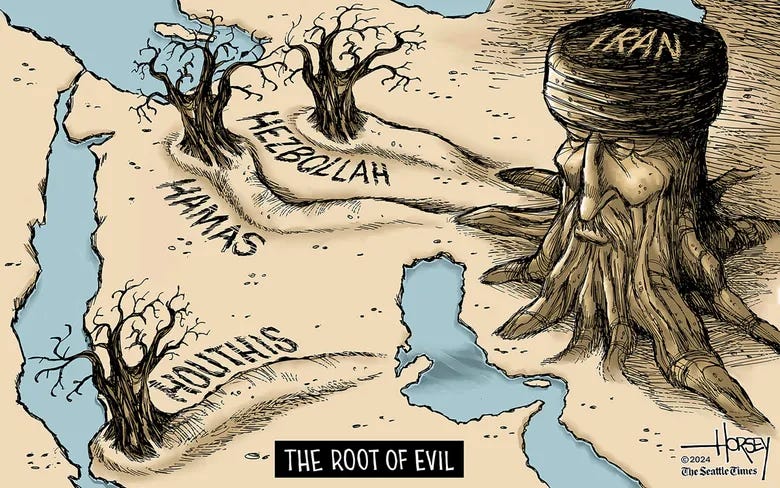
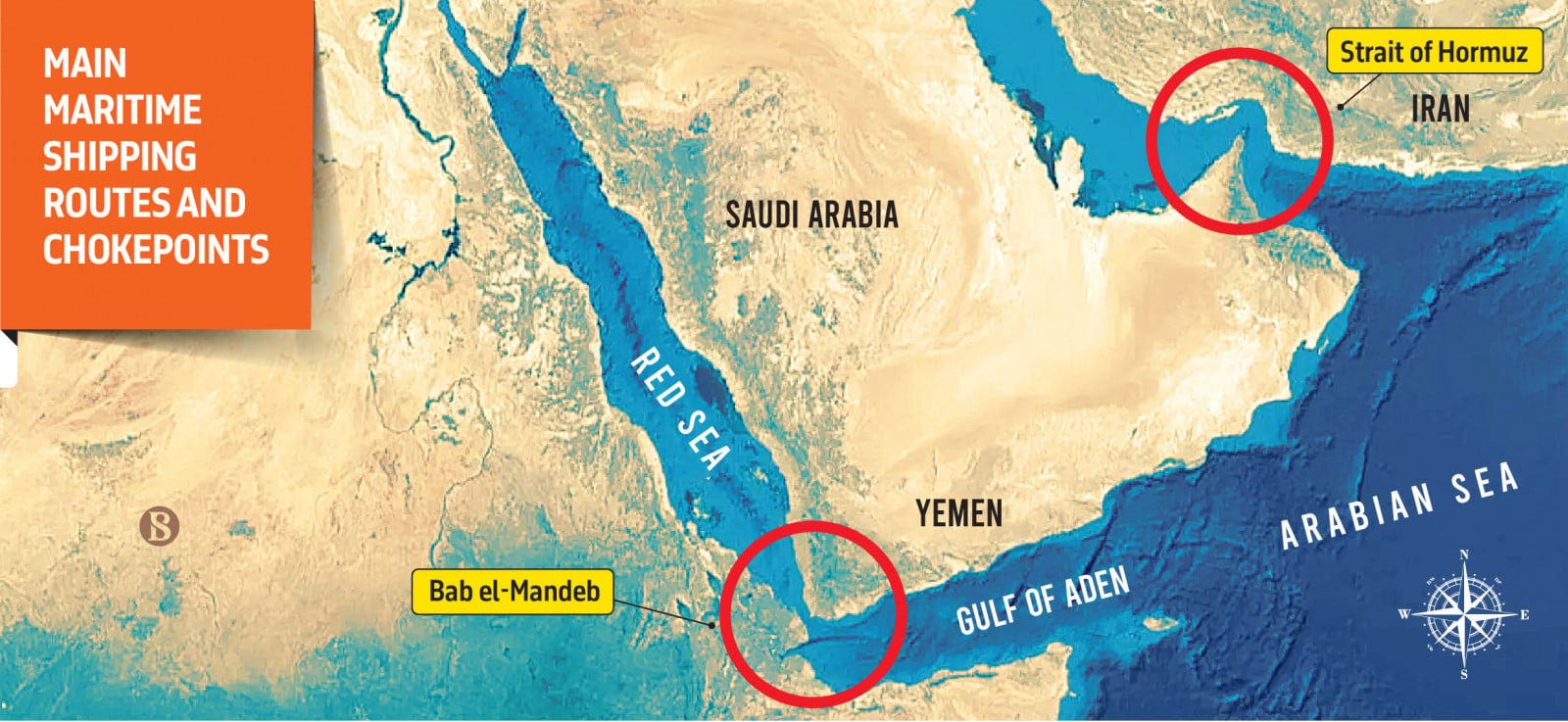
The issue of Sunni vs. Shia has another problem for the US and the West. The Houthis are from Yemen and although a different version of Shia Islam, are allied with Iran. That they are located in Yemen at the Bab-al-Mandab Strait, that controls access to the Red Sea and the Suez Canal. This is a trump card that Iran still has in their pocket should they need it. What I mean by this is, even with the Strait of Hormuz open, should the Houthis again decide to close the Bab-al-Mandab Straits, oil still could not reach the west without transiting all the way around the Southern tip of Africa, thereby slowing recovery and increasing the costs to consumers, due to adding significant transit time and fuel.
"Three days following the October 7 attack on Israel, Yemen’s Houthi leader Abdel-Malek al-Houthi warned that if the United States intervenes in the Hamas-Israel War directly, the group will respond by taking military action. In mid-October, U.S. officials announced that the USS Carney downed several Houthi cruise missiles and drones fired toward Israel. The Houthis continued to launch several rounds of missiles and drones until it officially announced entry into the war to support Palestinians in the Gaza Strip on October 31."

"On November 19, the Houthis hijacked a commercial ship in the Red Sea and have since attacked at least thirty-three others with drones, missiles, and speed boats as of late January 2024. As a result, major shipping companies have stopped using the Red Sea—through which almost 15 percent of global seaborne trade passes—and have rerouted to take longer and costlier journeys around Southern Africa instead. The situation has resulted in heightened shipping and insurance costs, stoking fears of a renewed cost-of-living crisis."

- Conflict in Yemen and the Red Sea
- Council on Foreign Relations
- By the Center for Preventative Action
- Updated, April, 2026
A week ago, the Houthis threatened to again close the Bab-al-Mandab Strait, in support of Iran’s war with the US and Israel. If this occurs, the global oil supply from the gulf, will continue to be partially disrupted. To add to this, we must talk about China and their now dominant role in the region. China has deeply invested infrastructure projects in the region, as a part of their BRI/ Belt and Road Initiative. Xi has a Naval Base right next to ours in Djibouti just outside of the Bab-al-Mandab Strait, which is the entry point for vessels using the Suez Canal. China is rehabilitating the Suez while controlling ports all across the Mediterranean, including the part at the northern end too. China also has a role in the primary Israeli port at Haifa. The last I checked, China actually owns, manages or is building some 60 ports all around the perimeter of Africa.
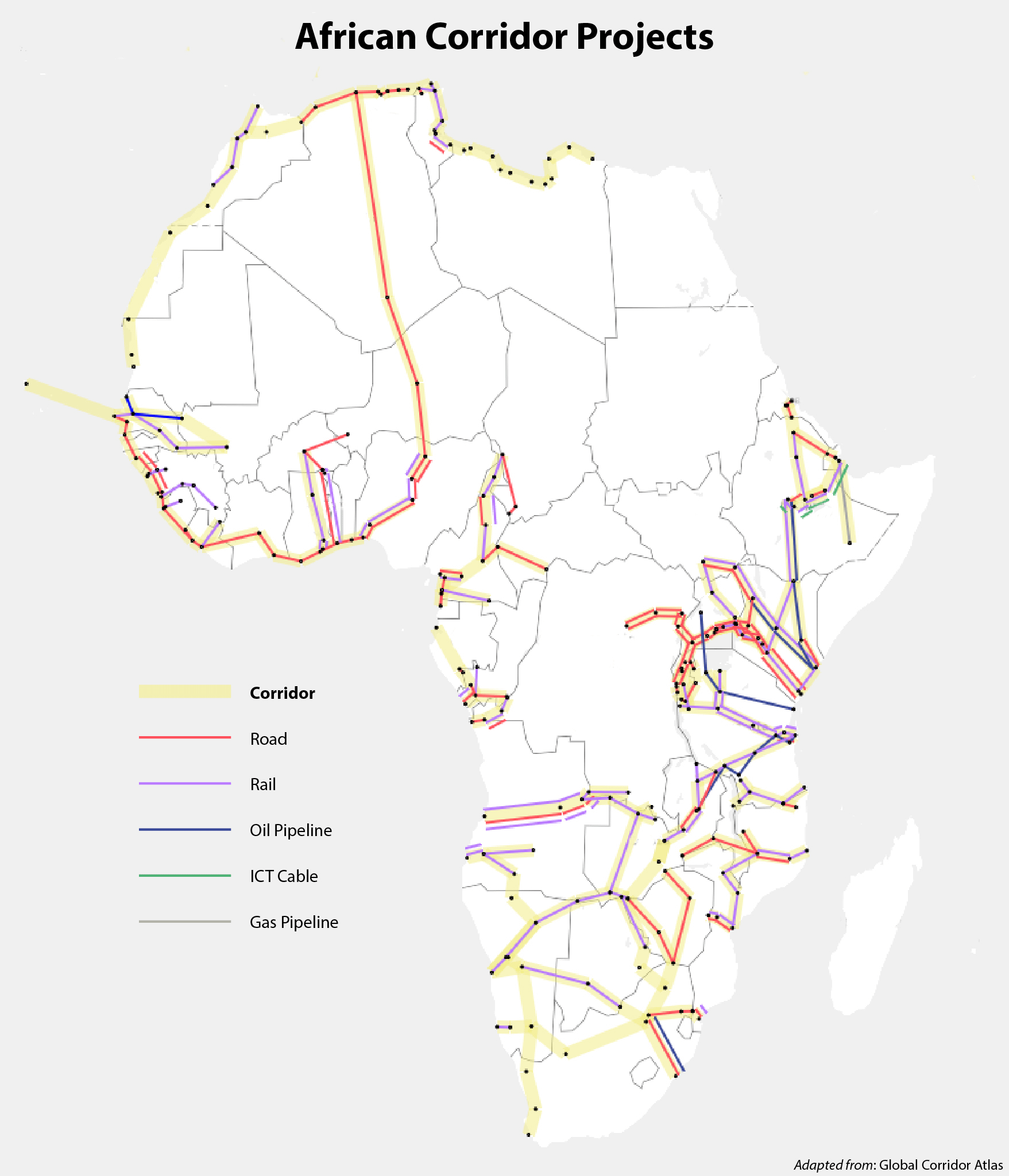
To make matters worse for the West, China is more deeply invested infrastructure in all of Africa than we or our allies are cumulatively. The reason that we care about China in regards to the MOU is because, China is the big winner in this war. Last month, Trump went to China and asked Xi for assistance in putting pressure on his Iranian allies to wind down the war. Whenever tough, powerful autocrats like Xi do a favor for someone, there is an expectation of something in return. During that trip, Trump agreed to sell China our most sophisticated computer chips, that we’d protected for a very long time. As I have written previously, at this moment, I believe that China just may be the world’s premier superpower, not the US. Trump going, hat-in-hand to Xi for a favor, pretty much seals the deal.
"Among Middle Eastern countries, Egypt, Saudi Arabia, and Iraq topped the list of Chinese project destinations. China’s Belt and Road Initiative engagement in Saudi Arabia stood at $19.8 billion, the third highest globally, and Iraq accounted for $4.5 billion. Saudi Arabia also saw the largest Chinese engagement in green energy last year, worth approximately $5.2 billion. Total Chinese Belt and Road Initiative investment in Saudi Arabia from 2013 through last year reached $40 billion, ranking second only to Pakistan.

Kazakhstan was the single largest recipient of Belt and Road Initiative investment in 2025, with about $25.8 billion, followed by Egypt at $10.2 billion, according to Green Finance & Development Center estimates.

The Belt and Road Initiative, launched in 2013, is Beijing’s flagship global infrastructure drive to expand trade routes and deepen its economic presence across Asia, Africa, the Middle East, and beyond, spanning transport, energy, ports, and increasingly, green and digital projects."

- China’s Foreign Investment Jumps as Beijing Bypasses Iran and RussiaAmong Middle Eastern Countries, Egypt, Saudi Arabia, and Iraq Topped the List of Chinese ‘Belt and Road’ Project Destinations
- Middle East Forum
- By Dalga Khatinoglu
- Feb 07, 2026
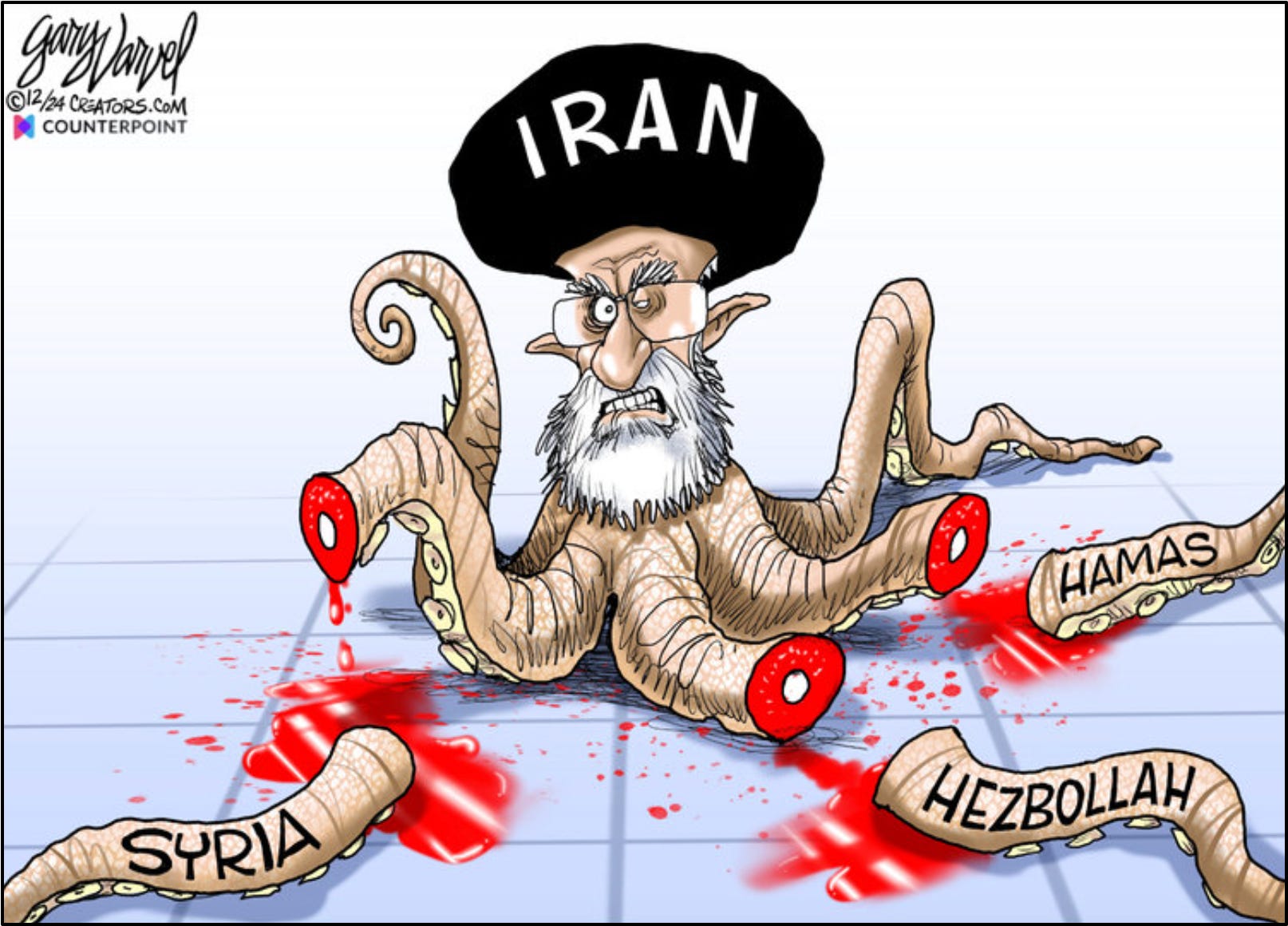
As we grow closer to the end of this shorter than usual essay, I want to encourage readers to try and see the “big picture” regarding the ongoing geo-strategic shift. Seeing it holistically will help you see just how poor of a strategic decision it was for the US to embark on the path to open warfare with Iran. Don’t get me wrong, the Iranian regime at the onset of the war, was and has long been a cruel, ideologically corrupt threat to global stability. To make matters worse, they’ve also done plenty of Putin’s and Xi’s dirty work. Iran was Putin’s most important supplier of high tech weaponry and other war materials. If there’s any good that we have achieved throughout this fiasco, it’s that it has taken a big bite out of what Putin needs and now can’t get.
I won’t belabor this particular essay but wanted to give everyone some clarity to the bits and pieces of news dribbling out of official sources. So where do we stand now? Well, Pakistan, the mediators for the MOU talks, still claims the signing on Friday in Switzerland. The Strait will slowly begin opening. There are plenty of mines to deal with in the strait along with a list of other issues to address before ships can safely transit the Strait of Hormuz. Most global experts claim that it will take up to a year, just to get close to where we were at the outset of the war. This means slowly decreasing but still higher than normal fuel prices. That makes all goods and services more expensive as well, including our groceries, again due to added fuel costs.
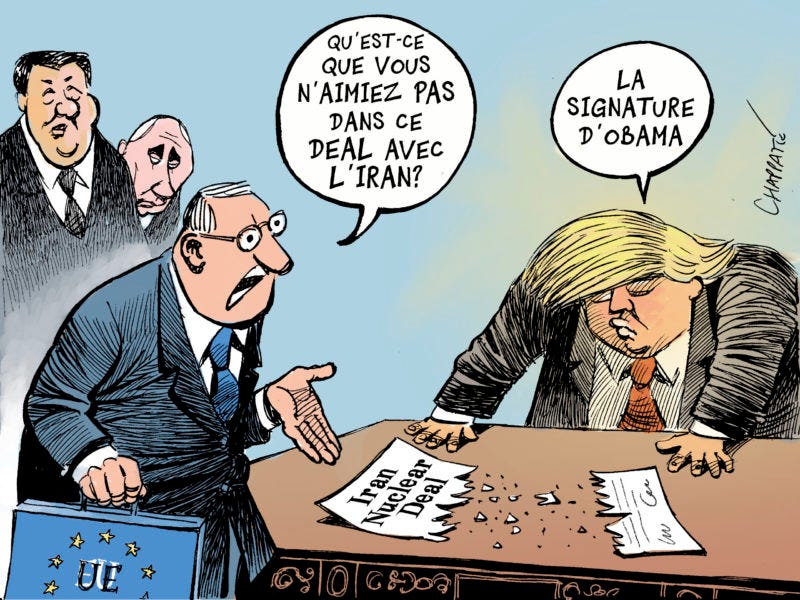
As for assessing what little we know about the deal, the bottom line is that we’re worse off than when we started and much worse off than had the last Trump administration not torn up the JCPOA or original Iran deal from 2016. We’ve been at increased risk ever since Trump removed us from the Obama-era deal, which also included China, France, Germany, Great Britain, Russia. Now China sits in the proverbial catbird’s seat. They are not combatants, are serving as enablers of peace, have the preponderance of influence with the primary combatants, more to gain from peace, and deep partnerships all across the region.
To further our self-inflicted woes, the US has come through this in a manner not unsimilar to the humiliation Putin is suffering from losing to Ukraine. True, we’ve had some battlefield successes but could not unilaterally dislodge the hardline regime without a long and costly ground war. Our humiliation is not nearly as dear as that heaped onto Russian forces, but it’s still quite embarrassing. At the end of such a conflict, we’d be far weaker than we are now. Remember, we have expended so many of our stockpiled munitions, especially those taken from INDO-PACOM, the command in charge of the Pacific and South, SE and SW Asia. This gives China an advantage militarily as that it will take a couple of years or so to rebuild our supply of those munitions. It not only makes Taiwan far more vulnerable, but our allies in the region too.
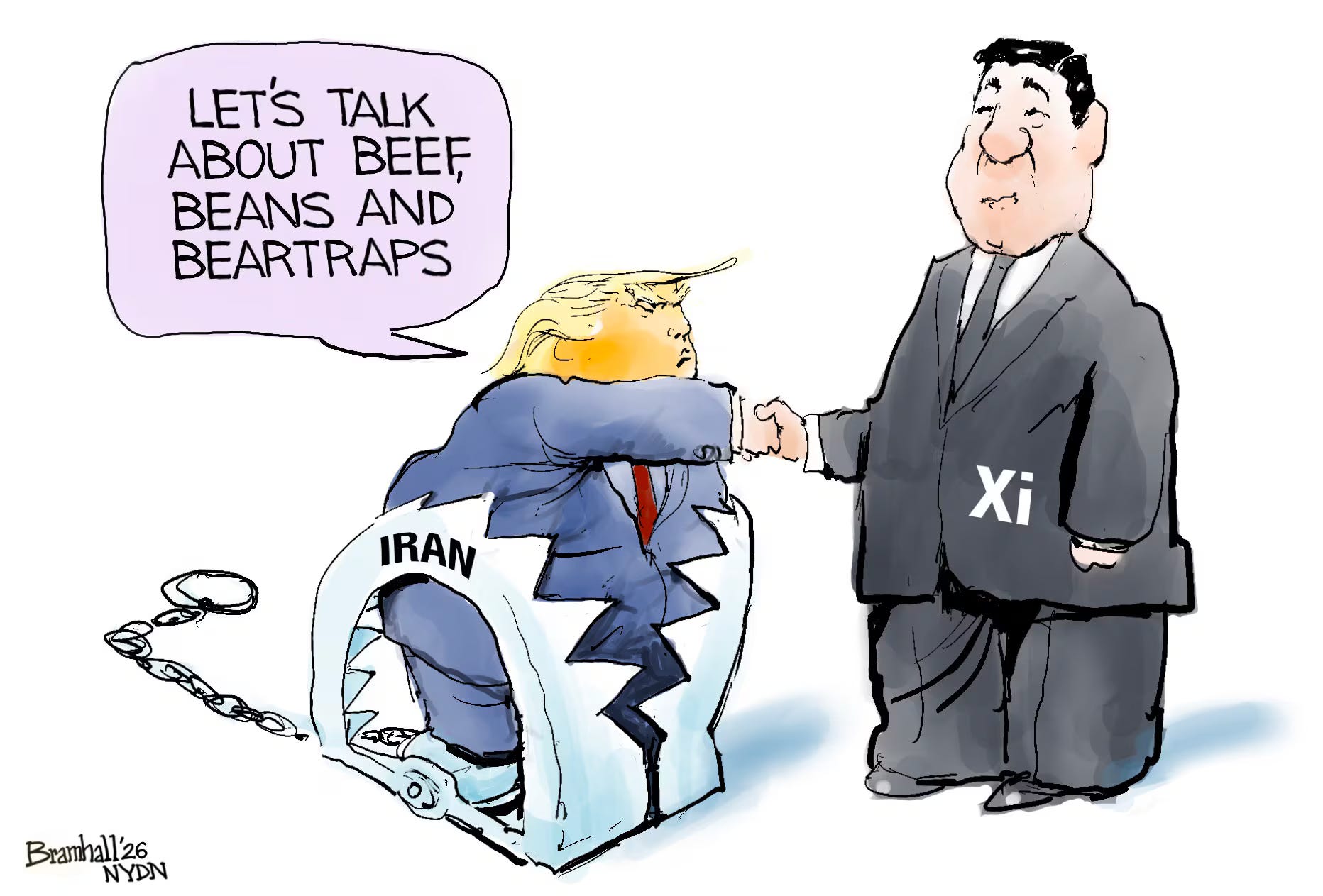
At the end of the day, China’s dominance is growing. Putin owes Xi as does whoever is running Iran these days. India cannot compete unless she finds a way to remain non-aligned in a region increasingly managed by her age-old and often bitter rival, China. I actually feel for our friends in India due to being between a rock and a hard place. Modi must have oil and with Xi having some leverage over Russia and Iran, India is in a pickle.
If you remember nothing else from this essay, just know that this foolhardy and foolish war has cost the US enormous respectability while also calling into question our military readiness and expertise. We lost or have deeply wounded our former partnerships among Arab Gulf oil states as well as our NATO allies. The embarrassment of very limited success, having to ask Xi for help and the shedding of more allies, has in my opinion, edged the US into a dead heat with China for global preeminence or even into a second place position as a superpower.
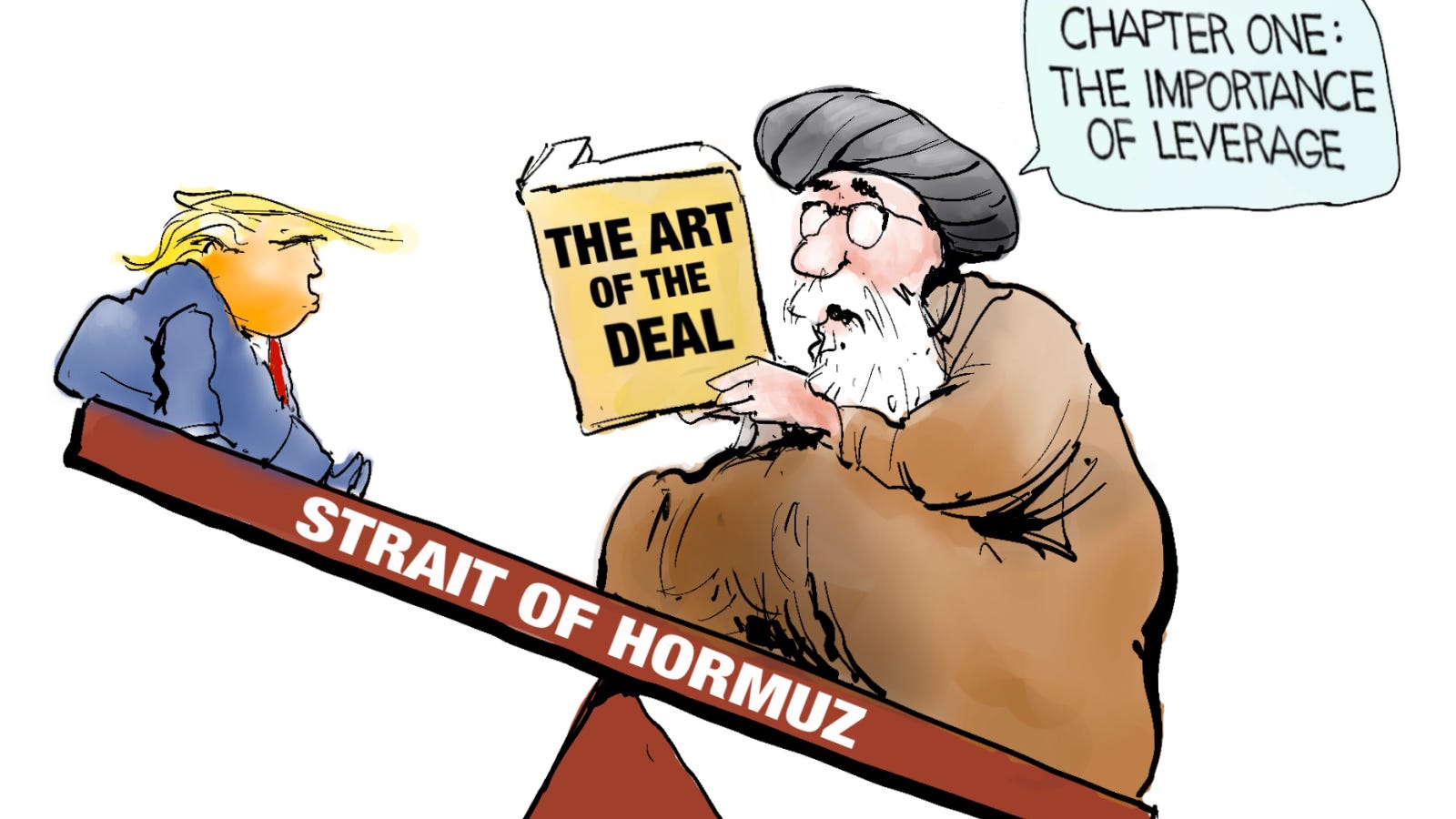
The war, the alleged MOU and being able to sustain the peace, are all in question at the moment. We’ll probably not see the MOU’s points until Friday after the planned signing in Switzerland. I’m not expecting any real surprises though and from the way things look at the moment, outside of no more deaths, I don’t see any significantly positive outcomes.
My very best for your week and back later in the week with a new essay.
Paul